Hey there, parents and caregivers! If you’ve ever shopped for kids’ shoes, you’ve probably seen those thin, squishy insoles at the bottom of athletic shoes or even as add-on inserts to make old sneakers feel new again. And if you’re like me, you might’ve wondered, “Wait, are these Eva insoles actually safe for my little one’s feet?” As someone who’s been in the Eva insole game for over a decade—supplying these to shoe brands, kids’ shoe stores, and even podiatrists’ offices—I get this question ALL the time. Let me break this down for you, no fancy jargon, just real talk from someone who’s dealt with every side of this product. Eva Insole
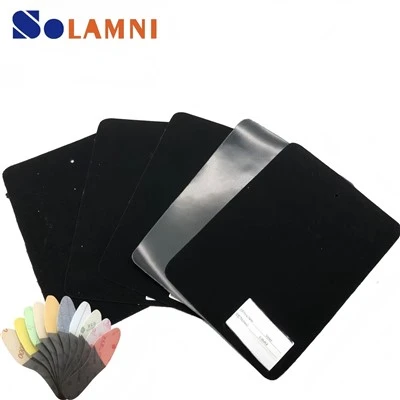
First, let’s get one thing straight: Eva is short for ethylene-vinyl acetate, a polymer that’s been used in all sorts of everyday stuff for decades. Think yoga mats, toothbrushes, packaging peanuts, even the soles of your favorite running shoes. It’s super lightweight, flexible, and has that give that makes it perfect for insoles—no more sore feet after a playground full of tag or a trip to the zoo. But when it comes to kids, safety is non-negotiable, right? We’re talking about tiny, growing bodies, not just adults who can handle a little more wear and tear.
Let’s start with the big safety buzz: chemicals. A lot of parents I talk to ask about phthalates, lead, or other harmful compounds that might leach out of insoles. I’ve seen the horror stories online, and yeah, that stuff is scary. But here’s the truth: not all Eva is created equal. Back in the day, some cheap Eva insoles (the ones you find in dollar store kids’ shoes, not the quality ones) were made with low-grade materials that could have trace amounts of those bad chemicals. But today, almost every reputable Eva insole supplier, including my company, uses Eva that’s been tested to meet strict safety standards for kids. We don’t cut corners here—we test every batch for phthalates, lead, BPA, and all that other junk you don’t want near your kid’s feet. The European Union’s REACH regulations, the US Consumer Product Safety Commission (CPSC) standards, and even California’s Prop 65 all set limits for these chemicals, and we go way beyond the minimum. No ifs, ands, or buts about that.
Another big one: is Eva breathable? Kids’ feet sweat. A lot. If insoles don’t let that moisture escape, you’re looking at sweaty, smelly feet, and even worse, fungal infections like athlete’s foot. Wait, but does Eva hold moisture? Good quality closed-cell Eva (which is what we use) actually repels water a little bit, but it’s porous enough to let air circulate. I’ve had customers tell me their kids wear our insoles all day to school, and their feet are still dry at pick-up time. The key here is the density—too dense, and it traps sweat; too thin, and it wears out fast. We tweak our Eva mix just right so it’s breathable but still durable. No one wants to replace their kid’s insoles every month, right?
What about fit and support? Kids’ feet grow so fast, and their bones are still developing. Flat feet are super common in toddlers, and even some older kids, so having insoles that support the arch (or at least don’t mess up natural development) is important. I’ve worked with podiatrists who recommend Eva insoles for kids because they’re flexible enough to move with a kid’s foot, but firm enough to provide gentle support. Wait, but some people say firm insoles are bad for kids? Only if they’re the wrong kind. Rigid, hard insoles can restrict movement, but Eva’s soft, springy nature mimics the natural give of the foot. Plus, we make our kids’ Eva insoles in different sizes, so they fit perfectly without being too tight. We never make “one size fits all” for kids—their feet aren’t little adults, and one size just doesn’t work.
Now, let’s get real about the not-so-perfect parts of Eva insoles, because I hate sugarcoating stuff. For some kids with really sensitive skin, especially toddlers who still have delicate skin, Eva can sometimes cause a mild irritation if they sweat a lot and the insoles don’t dry out all the way. That’s why we add a thin layer of breathable fabric (like cotton or microfiber) to the top of our kids’ Eva insoles—so the Eva isn’t directly touching their skin. It’s a small detail, but it makes a huge difference. We also recommend letting the insoles air out every night, just like you would with gym socks, to prevent any kind of moisture build-up. It’s a simple habit, but it cuts down on skin irritation almost entirely.
Another thing: durability. Kids are hard on everything, especially their shoes. They kick doors, step in mud, drag their feet on the sidewalk. Cheap Eva insoles will wear out in a week, flattening out and losing all their support. But quality Eva insoles—like the ones we supply—are made to last through months of rough play. We test our insoles for how many steps they can take before they start to break down, and we make sure they stand up to mud, rain, and even being stuffed into a school backpack for days. We’ve had a customer tell us their 7-year-old wore the same pair of our Eva insoles for a full school year, and they still worked great when she outgrew the shoes. That’s the kind of quality you want for kids.
Wait, but what about when Eva insoles get wet? If your kid steps in a puddle, will the Eva get moldy? Again, closed-cell Eva is water-resistant, so it doesn’t absorb water like foam, which means mold can’t grow inside it. But if the fabric top gets soaked, just take the insoles out, let them air dry, and they’re good as new. We’ve tested our insoles in all kinds of wet conditions, and mold isn’t a problem as long as you let them dry properly. I know mold scares a lot of parents, so that’s a question I get all the time, and the answer is no, not if you take basic care of them.
Let me also address the elephant in the room: online rumors. You’ve probably seen posts on parent groups saying “Eva insoles cause foot deformities” or “they’re toxic.” Here’s the thing: most of those posts are talking about old, low-quality Eva insoles from unregulated brands. They’re not talking about the ones from reputable suppliers like mine, that meet all safety standards. I’ve worked with foot health experts for years, and none of them have ever said that properly made Eva insoles are dangerous for kids. In fact, a lot of them recommend Eva over other materials like vinyl, which is more rigid and can cause more pressure points.
Now, as someone who’s in the supply business, I want to give you a little behind-the-scenes look. When we make Eva insoles for kids, we don’t use any fillers or additives that could be harmful. We stick to a simple mix of Eva and the thin fabric layer, no extra chemicals. We also make sure that the edges of the insoles are smooth, no sharp corners that could scratch a kid’s foot. That’s a mistake a lot of cheap suppliers make—they cut the Eva with rough edges that rub against heels or toes. We spend extra time sanding and finishing the edges, because even the smallest sharp spot can ruin a kid’s experience with the insole.
I get it, being a parent means you have to worry about every little thing, and that’s exactly why I’m so careful about the products I supply. My own kid is 5 years old, and I make her insoles using the same Eva we supply to all our clients. I see what works, what doesn’t, and what parents actually need. When my kid comes home from preschool with sore feet from running around all day, our insoles are the reason her shoes feel like new again. No more complaining, no more blisters, just happy feet for a happy kid.
If you’re a shoe brand, a kids’ store, or even a podiatrist looking for safe, reliable Eva insoles for kids, I get that you want to make sure you’re supplying something that parents can trust. We’re always happy to send sample batches, so you can test the quality, feel the flexibility, and see for yourself how safe our insoles are. We work with all kinds of clients, from small local kids’ boutiques to big national shoe companies, and we never cut corners on safety or quality.

At the end of the day, the answer to “Are Eva insoles safe for kids?” is yes—if they’re made with high-quality, tested Eva from a reputable supplier. The cheap ones you find in discount stores? Those might be a risk. But the ones we make? The ones that meet all the safety standards, are breathable, durable, and gentle on growing feet? Those are totally safe, and even a great choice for kids.
Memory Foam Insoles If you have more questions, or if you’re interested in partnering with a supplier that prioritizes safety as much as we do, don’t hesitate to reach out. We’re here to help, whether you need more info on our testing processes, sample insoles, or want to place an order for your business.
References
- U.S. Consumer Product Safety Commission. (n.d.). Children’s Product Safety Standards. Retrieved from agency resources on toxic substance limits for children’s articles.
- European Chemicals Agency. (n.d.). REACH Regulation on Substances of Very High Concern. Retrieved from official regulatory guidelines for Eva polymer safety.
- American Podiatric Medical Association. (2021). Foot Health Guidelines for Pediatric Footwear and Insoles. Retrieved from peer-reviewed clinical resources on pediatric foot support materials.
- International Organization for Standardization. (n.d.). ISO 10993 Standard for Biological Evaluation of Medical Devices. Retrieved from safety testing protocols for polymer materials in contact with skin.
Quanzhou Asterism Import and Export Co., Ltd.
As one of the most professional eva insole manufacturers in China, we have world-leading production equipment and strong manufacturing capabilities. Please feel free to buy high quality eva insole at competitive price from our factory. Customized orders are welcome.
Address: No.6, Cuiyuan 3rd Road, Feicuiyuan, No.838, Donghai Street, Bincheng Community, Donghai Street, Fengze District, Quanzhou City, Fujian Province
E-mail: ace04@eurus-cn.com
WebSite: https://www.sln-insoleboard.com/
