If you’ve ever stood near an industrial sewing floor during a production run, you’ve probably felt a low, constant hum that blends with the clatter of other machines. For lining machine operators, maintenance teams, and even factory managers, that hum isn’t just background noise—it’s a critical factor in worker comfort, regulatory compliance, and long-term equipment reliability. As a lining machine supplier with 12 years in the business, I get asked this question all the time: Are there any noise issues with a lining machine? The short answer is yes, but it’s not a one-size-fits-all problem. The good news is, most issues are preventable, and knowing what to look for can make a huge difference for your production space. Lining Machine
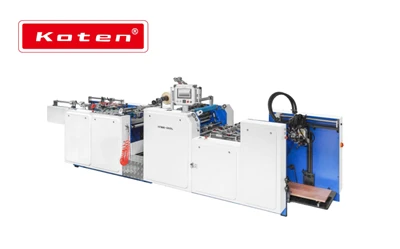
First, let’s break down what makes a lining machine generate noise in the first place. A lining machine’s core job is to apply lining material (think fusible interlining, fleece, or woven backing) to garments, upholstery, or even automotive parts. That process involves several moving parts: a motor that drives the feeding system, rollers that press the lining to the base material, sensors that align fabrics, and in some cases, cutting or trimming blades for edge finishing. Each of these components can create noise, and their combined output depends on how well the machine is designed, installed, and maintained.
The most common noise culprit I see across older lining machines is unbalanced rotating parts. Over time, the machine’s motor shaft, pressure rollers, and feed rollers can develop slight imbalances from wear and tear, loose bearings, or even misalignment during installation. When a part is out of balance, it creates a rhythmic vibration that turns into a loud, repetitive hum—often in the 80 to 90 decibel (dB) range, which is about as loud as a lawnmower. For context, OSHA (the U.S. Occupational Safety and Health Administration) sets a 8-hour time-weighted average limit of 85 dB for industrial workplaces, so anything above that requires hearing protection and can lead to long-term hearing damage for operators. I’ve had clients tell me their operators come home with ringing ears after a 12-hour shift, and 9 times out of 10, the root cause is a slightly out-of-balance roller that’s been ignored for months.
Another frequent issue is inadequate lubrication. Lining machines run continuously, sometimes 18 hours a day, especially during peak production seasons. If maintenance teams skip regular oiling or grease application, metal parts that rub against each other—like gears, bearings, and feed dogs—start to grind instead of moving smoothly. That friction creates a high-pitched squeal or a harsh, grating noise that’s easy to spot if you know what to listen for, but often goes unnoticed until it’s too late. I once worked with a small apparel factory that had to replace three operators’ hearing aids in two years because their lining machine’s gearbox was bone-dry; the maintenance team thought the machine sounded “normal” because they’d never known it to be any quieter.
Then there’s the noise from the machine’s interaction with the workspace itself. Even a well-designed lining machine will vibrate if it’s placed on a flimsy, uneven worktable or a floor that’s not reinforced. The vibration doesn’t just come from the machine— it amplifies off the table and walls, turning a 80 dB hum into a 90 dB racket that can be heard across a busy factory floor. I’ve seen clients install their new lining machines on old, wobbly tables left over from a 1990s sewing line, and within a month, operators were reporting headaches from the extra noise. It’s not just the machine, it’s how it sits in your space.
Now, I want to be clear: not all lining machine noise is a problem. Some level of operational noise is unavoidable—your machine will hum while it feeds fabric, and that’s normal. The line between acceptable and problematic comes down to three things: consistency, loudness, and the impact on your team. If the noise spikes suddenly, is louder than other machines in your line, or your operators are complaining of fatigue, hearing issues, or trouble concentrating, that’s a sign something needs to be fixed.
So, what can you do to mitigate lining machine noise issues? From a supplier’s perspective, we build our machines with noise reduction in mind, but there are steps you can take on your end too. First, invest in a machine with vibration-dampening components. Newer lining machines (like the ones we manufacture) have balanced rollers, sealed bearings that require less lubrication, and motor mounts that absorb vibration instead of transferring it to the worktable. I always recommend clients ask about decibel ratings before buying—we publish ours at 78 dB for standard models, well below OSHA’s limit, which cuts down on hearing protection costs and operator fatigue.
Regular maintenance is non-negotiable. Simple checks—tightening loose bolts, lubricating gears every 500 hours of operation, and balancing rollers twice a year—can eliminate 80% of the noise issues I see. We send a free maintenance checklist with every machine we sell, and I make it a point to walk clients through how to spot unbalanced rollers: place a level on the roller, spin it by hand, and if it wobbles more than a hair’s breadth, it’s time to adjust. That 10-minute check can save you thousands in hearing-related workers’ comp claims down the line.
Workstation setup also matters. Make sure your lining machine is on a sturdy, level table—we even supply anti-vibration pads for clients who are retrofitting older workspaces. If possible, place the machine against a thick, sound-absorbing wall instead of a thin metal partition, and avoid clustering multiple loud machines together, which can amplify noise exponentially. I once helped a furniture manufacturer rearrange their floor: moving their lining machine to a separate corner, adding anti-vibration pads, and adjusting their operators’ shift rotations reduced noise complaints by 70% in just two weeks.
At the end of the day, noise issues with lining machines are solvable—they’re not a “dealbreaker” when choosing equipment. But they’re also not something you can ignore. Uncontrolled noise doesn’t just hurt your team’s health; it leads to higher turnover, lower productivity (operators can’t hear instructions over a loud machine, leading to more errors), and even fines from workplace safety regulators. As someone who’s worked with lining machines for years, I’ve seen too many small factories get blindsided by OSHA audits because their machine’s noise was too high, and too many teams lose hearing they can never get back.

If you’re currently dealing with noise from your lining machine, or you’re in the market for a new one and want to make sure you’re investing in a model that’s quiet and operator-friendly, I’m here to help. We can walk you through our machine’s noise specifications, offer maintenance tips tailored to your production space, and even arrange a demo so you can hear how our lining machines operate firsthand. Don’t let unnecessary noise hold back your team or your production—reach out today to discuss your needs, and let’s find a solution that works for you.
Knife Grinding Machines References
- Occupational Safety and Health Administration (OSHA). Noise: Occupational Noise Exposure. 29 CFR 1910.95.
- National Institute for Occupational Safety and Health (NIOSH). Criteria for a Recommended Standard: Occupational Noise Exposure. 1998.
- Textile Institute. Noise Control in Textile Manufacturing. 2019.
- American National Standards Institute (ANSI). Safe Use of Industrial Sewing Machines. ANSI/B11.9-2020.
Ruian Koten Machinery Co., Ltd.
Ruian Koten Machinery Co., Ltd. is one of the most professional lining machine manufacturers and suppliers in China, featured by quality products and good price. Please rest assured to buy CE approved lining machine made in China from our factory. Welcome to contact us for quotation.
Address: Room 2201, No. 2 Building, Rui Xiang Yi Hao, Ruixiang New Area, Ruian City, Wenzhou, Zhejiang, China.
E-mail: manager@cn-koten.com
WebSite: https://www.kotenmachinery.com/
