When I first started my flat pack container supply business back in 2014, I didn’t fully grasp just how much moisture could derail even the most promising container projects. I’d spent years sourcing reliable, space-efficient containers for construction, retail pop-ups, and residential storage, but it wasn’t until a customer in northern Minnesota reached out with a mold issue that I realized how critical moisture management is for flat pack units. That customer had assembled his container for a tool shed in a low-lying area, and within six months, the interior walls were dotted with mildew—he thought he’d purchased a dud, not a unit that hadn’t been properly protected against condensation and outdoor humidity. That day, I dug into the science of how flat pack containers handle moisture, and it’s become the cornerstone of how I build and sell every unit we supply. Flat Pack Container
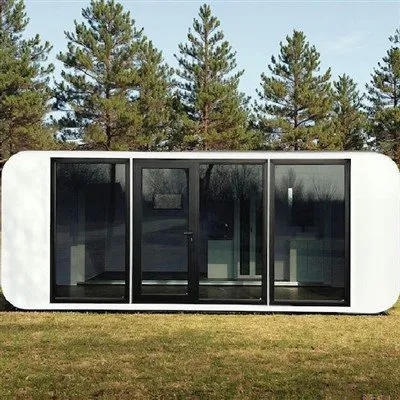
First, let’s get one thing straight: flat pack containers aren’t the same as standard shipping containers, and their approach to moisture management isn’t either. Standard shipping containers are built for ocean travel, with sealed seams and thick steel hulls designed to keep saltwater out, but their flat pack counterparts are disassembled to cut down on shipping costs—meaning more exposed panels, thinner construction in some areas, and gaps that, if not sealed right, let humidity seep in. The biggest threat here isn’t just external rain or snow; it’s condensation, which happens when warm, moist air meets a cold surface. If your flat pack unit is sitting in a climate where winter nights drop below freezing, for example, and you use it as a workshop where you’re running power tools that generate heat, that warm air hitting the cold steel walls turns into tiny water droplets—just like a cold glass of lemonade sweating on a summer day. That’s the moisture that causes mold, rust, and warped wood if you don’t plan for it.
Let’s break down the science step by step. Moisture in flat pack containers comes from three main sources: external precipitation (rain, snow, dew), internal moisture (from cooking, showering, even just breathing if you use the unit as a living space), and condensation as a byproduct of temperature swings. How each flat pack container handles these depends on three key factors: the materials used in its construction, the sealants applied to seams and edges, and the design features that promote air flow.
For materials, most of our flat pack units use corrugated steel for the outer walls, but we line the interior with a double layer of polypropylene sheeting—something I started testing after that Minnesota customer’s issue. Polypropylene isn’t porous like wood or drywall, so it acts as a barrier to prevent moisture from seeping into the steel and causing rust. The corrugation on the steel isn’t just for strength, either; the ridges create tiny air pockets between the outer steel and the inner lining, which help insulate the surface temperature. That means the inner wall stays closer to the air inside the unit, so condensation is far less likely to form. We also use galvanized steel for the frame, which has a zinc coating that resists rust—way better than raw steel, which would corrode within a few years if exposed to moisture regularly. The flooring is another big one; we use pressure-treated plywood over a raised steel base, so there’s a gap between the floor and the ground. That gap lets air circulate under the container, stopping moisture from seeping up from damp soil or concrete, which was another mistake our early customers made—they’d set their flat pack directly on wet ground, and the bottom would rot before the walls even showed mold.
Sealants are where a lot of budget flat pack suppliers cut corners, and that’s where you get problems. Every seam, every edge where panels connect, every window or door cutout has to be sealed with a UV-resistant, elastomeric sealant that can expand and contract with temperature changes. I learned this the hard way: last year, a customer in Arizona bought a cheap flat pack from another supplier, and within a year, the sealant around his door had cracked from the 40-degree temperature swings, letting monsoon rain pour in. Our units use a two-part sealant system: first, a butyl rubber tape along all the panel edges before we bolt them together, then a top coat of silicone sealant that’s rated to last 10 years in extreme heat or cold. The butyl tape creates an airtight seal when the panels are tightened, and the silicone on top adds an extra layer against UV rays, which break down regular sealant in just a few years. We also add a small, vented pipe near the roofline—only about a two-inch pipe with a mesh screen to keep bugs out—to let humid air escape. Without that vent, moisture gets trapped inside, especially if you’re using the unit for something like a darkroom or a wine storage space where humidity is naturally high.
But here’s the part most people don’t talk about: even with all the right materials and sealants, a flat pack container’s moisture performance depends on how you use and site it. For example, if you put a flat pack in a low-lying area where water pools after rain, no amount of under-floor air gap will keep moisture from seeping up. We always advise customers to site their units on a slight slope, with gravel or crushed stone around the base to let water drain away instead of pooling. If you’re using the unit as a work space where you’ll generate a lot of moisture—say, a woodworking shop where you’re sanding and staining, or a bakery where you’re baking bread—you need to add an extra dehumidifier, even if your unit has vents. That’s not a failure of the container; it’s just understanding that flat pack containers, while durable, are not airtight houses. They’re designed to be functional, not hermetically sealed, which means a little air flow is necessary to keep moisture levels balanced.
I also want to clarify a common myth: some people think flat pack containers are more prone to moisture issues than traditional build-on-site structures, but that’s not true if they’re built right. Standard buildings have gaps around windows and doors too, and they get condensation—they just have more space for insulation and HVAC systems to manage it. The difference with flat pack containers is that their portability means you can move them if you need to, but that same portability doesn’t mean they’re less effective at moisture control. In fact, our flat pack units have a lower overall weight than standard shipping containers, so we can use a thicker inner lining and a more robust sealant system without adding too much cost or bulk.
Over the years, I’ve tested these moisture management features in every climate you can think of: from the dry heat of the Arizona desert, where condensation is less of an issue but UV damage to sealants is a big problem, to the humid, rainy Pacific Northwest, where mold is a constant risk. In the Pacific Northwest, we add an extra layer of breathable membrane between the steel and the inner lining, so any tiny amount of moisture that does seep through the sealant can evaporate instead of getting trapped. In the desert, we use a heat-reflective coating on the outer steel to keep the interior surface cooler, reducing the temperature gap that causes condensation. It’s not a one-size-fits-all solution, which is why we customize our moisture features based on where the customer is planning to site their flat pack.
That Minnesota customer I mentioned earlier? He ended up swapping his original cheaply sealed unit for one of ours, and a year later, he sent me a photo of his tool shed—no mold, no rust, and the interior stayed dry even through the state’s brutal winter. He told me he installed a small dehumidifier for the winter months, and the vents we added let the summer humidity escape. That’s the key, I think: managing moisture is a partnership between the container’s design and the way you use it. A good flat pack container can’t fix every mistake in site selection or usage, but it can minimize the risk so long as you understand how it works.
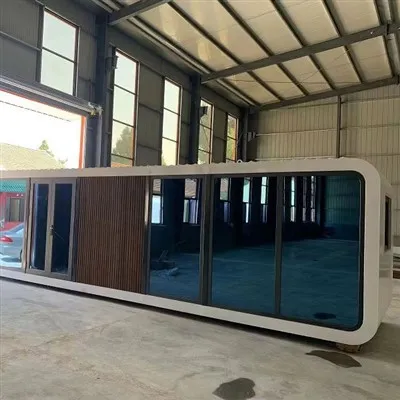
If you’re considering a flat pack container for your project—whether it’s a retail pop-up, a storage unit, a workshop, or a tiny home—don’t cut corners on moisture management. Ask your supplier about the materials they use for flooring, the sealant system for seams, and the venting features. And if you’re not sure, reach out to us. We’re not just a flat pack container supplier; we’re people who’ve been in the game long enough to learn the ins and outs of moisture control, and we’re happy to walk you through the best options for your specific needs. Whether you’re in a rainy climate where mold is a concern or a dry one where UV damage is the main risk, we can build a unit that handles moisture the right way, no matter the conditions.
Standard Apple Cabin References:
- ASTM International. (2019). Standard Specification for Corrugated Steel Shipping Containers.
- National Association of Home Builders. (2021). Understanding Condensation in Small Structures.
- International Code Council. (2020). Flat Pack Shipping Container Construction Standards.
- American Galvanizers Association. (2018). Zinc Coating for Steel Corrosion Resistance.
Aoborui Seiko Technology (Weifang) Co., Ltd.
As one of the most professional flat pack container manufacturers and suppliers in China, we also support customized service. Please feel free to wholesale high-grade flat pack container made in China here from our factory. Welcome to view our website for more information.
Address: Building 38, Zhongnan High-tech, Weifang Yuandu Huizhi Industrial Park, No. 3999, Taixiang Street, Hanting District, Weifang City, Shandong Province
E-mail: admin@sino-abr.com
WebSite: https://www.sinoabr.com/
