Hey there, folks! I’m a supplier of packaging board, and I often get asked how to make smooth creases on packaging board. It’s a crucial aspect of packaging design because smooth creases not only give a professional look but also ensure the durability and functionality of the package. So, in this blog, I’m gonna share some tips and tricks that have worked well for me over the years. Packaging Board

Understanding the Basics of Packaging Board
First things first, let’s talk a bit about packaging board. Packaging board comes in different types and grades, each having its own characteristics. The thickness, fiber composition, and surface finish can all affect how well the board creases. For instance, a thicker board might be more difficult to crease smoothly compared to a thinner one. And boards with a higher percentage of long fibers tend to have better folding properties.
I’ve found that knowing your packaging board inside out is key. You need to test different types of boards to see which ones work best for your specific packaging needs. Some common types of packaging board include solid bleached sulfate (SBS), corrugated board, and chipboard. SBS is great for high – end packaging due to its smooth surface and good printability. Corrugated board, on the other hand, offers excellent strength and cushioning, making it ideal for shipping packages. Chipboard is often used for lighter – duty packaging like boxes for small items.
Tools You’ll Need
To make smooth creases on packaging board, you’ll need the right tools. One of the most essential tools is a scoring knife. A good scoring knife allows you to make a precise cut or indentation on the board, which makes it easier to fold. You want a knife with a sharp blade that can cut through the board cleanly without tearing it.
Another useful tool is a bone folder. After scoring the board, a bone folder helps to smooth out the crease and make it nice and sharp. It works by applying pressure along the scored line, compressing the fibers of the board and creating a smooth fold.
A cutting mat is also a must – have. It provides a stable surface for cutting and scoring, protecting your workbench and ensuring accurate cuts. And if you’re working on a large – scale project, a creasing machine might be a good investment. These machines can handle multiple sheets of board at once and create consistent, smooth creases.
The Scoring Process
The scoring process is the foundation for making smooth creases. When scoring, it’s important to use a straightedge to guide your scoring knife. This ensures that the score line is straight and accurate. You don’t want a wavy score line because it’ll result in a messy fold.
I usually make a light score on the board first, just to mark the line. Then, I go over it a few more times to deepen the score, but not too deep that it cuts through the board completely. The depth of the score depends on the thickness of the board. For a thinner board, a shallower score might be sufficient, while a thicker board will require a deeper score.
It’s also important to score on the correct side of the board. In most cases, you should score on the side that will be on the outside of the fold. This helps to prevent the fibers from splitting on the visible side of the package.
Folding Techniques
Once you’ve scored the board, it’s time to fold it. The key to a smooth fold is to apply even pressure along the score line. You can start by gently bending the board along the score line, then use your bone folder or your fingers to press down firmly. Make sure to work from the center of the score line outwards to avoid creating any air bubbles or wrinkles.
If you’re folding a large piece of board, it can be helpful to have someone else assist you. They can help hold the board in place while you apply pressure to create the fold. And if the fold is not coming out as smooth as you’d like, you can try re – scoring the line and folding it again.
Dealing with Difficult Creases
Sometimes, you might encounter difficult creases, especially when working with thick or rigid boards. In these cases, you can try pre – heating the board. Using a heat gun on a low setting, you can gently warm up the area where you want to make the crease. The heat softens the fibers of the board, making it easier to fold. Just be careful not to overheat the board, as it can damage the surface or cause the board to warp.
Another technique for dealing with difficult creases is to use a moisture – based method. You can lightly mist the score line with water using a spray bottle. The moisture helps to relax the fibers, making the board more flexible. However, you need to be careful not to use too much water, as it can cause the board to warp or become soggy.
Quality Control
After making the creases, it’s important to do a quality check. Look for any signs of tearing, splitting, or uneven folds. If you find any issues, you can try to fix them by re – scoring and re – folding the board. You should also check the overall appearance of the crease. A smooth crease should be sharp and clean, without any visible bumps or ridges.
Conclusion
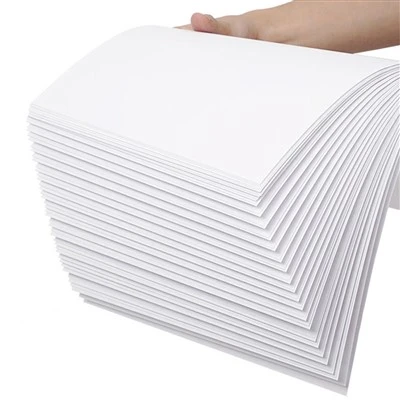
Making smooth creases on packaging board is a skill that takes practice, but with the right tools, techniques, and a bit of patience, you can achieve great results. Whether you’re a small – scale crafter or a large – scale packaging manufacturer, these tips can help you create professional – looking packages that are both functional and aesthetically pleasing.
Culture Paper If you’re interested in sourcing high – quality packaging board for your projects, I’d love to have a chat with you. We’ve got a wide range of packaging board options to suit different needs and budgets. Just reach out to me, and we can discuss how we can work together to meet your packaging requirements.
References
- Packaging Technology Handbook, various authors
- Journal of Packaging Science and Technology
Dongguan Banyan Material Co., Ltd.
We are one of the most experienced packaging board manufacturers and suppliers in China, also support customized service. Please feel free to wholesale bulk eco-friendly packaging board from our factory. Quality products and reasonable price are available.
Address: NO.167, Meijing West Road, Songmushan, Dalang Town, Dongguan City, Guangdong Province, China
E-mail: Sales_chris@yspaper.com
WebSite: https://www.paperyoung.com/
