Filtration requirements for metalworking fluid are super important, and as a metalworking fluid provider, I’ve seen firsthand how proper filtration can affect the whole process. So, let’s dig into what these requirements are and why they matter. Metalworking Fluid
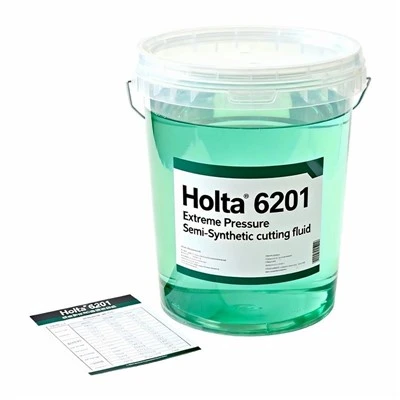
First off, let’s talk about why we even need to filter metalworking fluids. Metalworking fluids do a bunch of jobs, like cooling and lubricating tools during the machining process. But over time, they pick up all sorts of junk, such as metal chips, abrasive particles, and dirt. If we don’t get rid of these contaminants, it can cause a whole load of problems.
One of the main issues is tool wear. When metal chips and abrasive particles stay in the fluid, they can rub against the cutting tools. This friction makes the tools wear out faster, which means we have to replace them more often. And that costs money! Not only do we have to buy new tools, but there’s also the downtime when the machines are stopped for tool replacement.
Another problem is surface finish. Contaminated fluid can leave marks on the machined parts. We want those parts to have a smooth, high – quality finish, and dirty fluid just won’t cut it. It can lead to rough surfaces, which might not meet the required specifications for the end – product.
Now, let’s get into the actual filtration requirements. The first thing we need to consider is the particle size. Different machining processes generate particles of different sizes. For example, in a grinding operation, the particles are usually much smaller compared to those from a turning or milling process.
We need a filtration system that can trap a wide range of particle sizes. A good starting point is to aim for a filtration system that can remove particles as small as 10 – 20 microns. But in some high – precision machining operations, we might need to go even smaller, down to 1 – 5 microns.
The flow rate is also a crucial factor. The filtration system needs to be able to handle the volume of fluid that’s being circulated in the machining process. If the flow rate is too high for the filtration system, it won’t have enough time to effectively remove the contaminants. On the other hand, if the flow rate is too low, it can slow down the whole machining process.
We also have to think about the type of contaminants. Metal chips are one thing, but we might also have to deal with fine dust, microbial growth, and tramp oils. Tramp oils are especially tricky because they can form a layer on top of the fluid, reducing its ability to cool and lubricate properly.
For metal chips, a mechanical filtration system like a chip conveyor or a magnetic separator can be really effective. These systems physically remove the larger chips from the fluid. Magnetic separators are great for ferrous metal chips because they use magnets to pull the chips out of the fluid.
To deal with smaller particles and fine dust, we can use media filters. These filters have a porous material that traps the particles as the fluid passes through. There are different types of media, such as paper, cellulose, and synthetic fibers, and each has its own pros and cons.
Microbial growth is another headache. Bacteria and fungi can grow in the metalworking fluid, especially if it’s not properly maintained. This can cause bad odors, corrosion of the machine parts, and a decrease in the fluid’s performance. To prevent this, we need to use a filtration system that can remove the microorganisms. Some systems use ultraviolet (UV) light to kill the microbes, while others use chemical additives in combination with filtration.
Tramp oils can be removed using skimmers. These devices float on the surface of the fluid and skim off the oil layer. Some skimmers work by using a belt or a disk that passes through the fluid and picks up the oil.
Now, let’s talk about maintenance. Even the best filtration system won’t work properly if it’s not maintained. We need to regularly check and replace the filter media. Over time, the filter media gets clogged with contaminants, and if we don’t change it, the flow rate will decrease, and the filtration efficiency will go down.
We also need to clean the other components of the filtration system, like the chip conveyors and skimmers. Build – up of debris can cause these systems to malfunction. And don’t forget about monitoring the fluid quality. We should test the fluid regularly to make sure it still has the right properties, such as pH level, concentration, and lubricity.
In addition to all these technical aspects, safety is also a big concern. When handling metalworking fluids and maintaining the filtration system, we need to follow safety protocols. The fluids can be hazardous, and some of the chemicals used in the filtration process can be dangerous too. So, proper protective equipment, like gloves and goggles, should always be worn.
As a metalworking fluid supplier, I know that finding the right filtration system can be a challenge. Every machining operation is different, and there’s no one – size – fits – all solution. That’s why I’m here to help. Whether you’re running a small job shop or a large manufacturing plant, I can work with you to figure out the best filtration requirements for your specific needs.
If you’re looking to improve the performance of your metalworking fluid, reduce tool wear, and get better surface finishes, it’s time to take a closer look at your filtration system. I’ve helped many customers find the right solutions, and I’m confident I can do the same for you.

So, if you’re interested in learning more about how to optimize your metalworking fluid filtration, or if you want to discuss your specific requirements, don’t hesitate to reach out. Let’s have a chat and see how we can work together to make your machining process more efficient and cost – effective.
Gear Oil References
- "Metalworking Fluids: Properties and Performance" by John A. Schey
- "Filtration Technology for Industrial Fluids" by Peter A. Stout
- Various industry white papers on metalworking fluid management and filtration
MoGen Lubricating Oils
With abundant experience, we are one of the most professional metalworking fluid manufacturers and suppliers in China. We warmly welcome you to wholesale custom made metalworking fluid from our factory. If you have any enquiry about cooperation, please feel free to email us.
Address: No.8003 Chewang Rd, Economic Development Zone Of Jinan, Shandong Province, China 250301
E-mail: sales@mogenoils.com
WebSite: https://www.mogen-oil.com/
