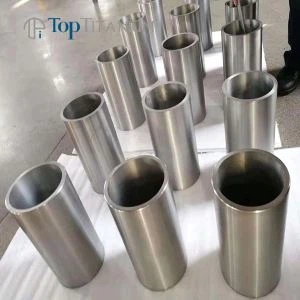
Titanium anodes play a critical role in hydrometallurgy, an industrial process that extracts metals from ores using aqueous solutions. As a trusted supplier of titanium anodes for hydrometallurgy, I’ve witnessed firsthand the impact of anode quality on the overall efficiency, productivity, and cost – effectiveness of hydrometallurgical operations. One of the defining factors influencing the performance of these anodes is the purity of titanium used in their production. In this blog post, I will explore how the purity of titanium affects the performance of anodes in hydrometallurgy. Titanium Anodes for Hydrometallurgy
Understanding Titanium Purity
Titanium, a highly reactive metal, has a strong affinity for oxygen, nitrogen, and other elements. As a result, it is rarely found in its pure form in nature. Titanium purity is typically expressed as a percentage, representing the proportion of titanium in the alloy. Commercially pure titanium (CP titanium) comes in different grades, with Grade 1 being the purest (at least 99.5% titanium) and higher grades containing more impurities.
Impact of Titanium Purity on Corrosion Resistance
Corrosion resistance is a key performance characteristic of titanium anodes in hydrometallurgy. In hydrometallurgical processes, anodes are exposed to aggressive electrolytes, high temperatures, and abrasive particles, which can cause them to corrode over time. The purity of titanium significantly affects its ability to resist corrosion.
High – purity titanium contains fewer impurities, such as iron, carbon, and oxygen, which can act as sites for corrosion initiation. These impurities can disrupt the protective oxide layer that forms on the surface of titanium, making it more vulnerable to corrosion. In contrast, anodes made from high – purity titanium are more likely to maintain a stable and intact oxide layer, providing excellent corrosion resistance even in harsh environments.
For example, in acid – based hydrometallurgical processes where the electrolyte contains sulfuric acid, high – purity titanium anodes can resist pitting corrosion, a common form of corrosion that can lead to anode failure. This superior corrosion resistance translates into longer anode lifetimes, reducing the frequency of anode replacement and minimizing downtime in hydrometallurgical operations.
Electrical Conductivity and Titanium Purity
Electrical conductivity is another vital parameter for anodes in hydrometallurgy. Efficient electrical conduction is essential for the successful transfer of electrical charge during the electrolysis process. The purity of titanium can influence its electrical conductivity.
Impurities in titanium can act as scattering centers for electrons, impeding their flow and reducing the overall electrical conductivity of the material. High – purity titanium has a more ordered atomic structure, which allows electrons to move more freely through the material. This results in lower electrical resistance and better electrical conductivity.
In hydrometallurgical applications, anodes with high electrical conductivity can reduce energy consumption during the electrolysis process. Lower electrical resistance means less energy is wasted as heat, improving the overall energy efficiency of the operation. As energy costs are a significant portion of the operating expenses in hydrometallurgy, using high – purity titanium anodes can lead to substantial cost savings in the long run.
Impact on Oxygen Evolution Reaction (OER) Kinetics
The oxygen evolution reaction (OER) is a crucial electrochemical reaction that occurs at the anode during many hydrometallurgical processes. The efficiency of the OER is affected by the properties of the anode material, including the purity of titanium.
High – purity titanium provides a cleaner surface for the OER to take place. Impurities can block active sites on the anode surface or interfere with the reaction mechanism, slowing down the OER kinetics. A high – purity titanium anode offers a more favorable surface for the adsorption and dissociation of water molecules, which are the first steps in the OER process.
Improved OER kinetics result in a lower overpotential, which is the additional voltage required to drive the reaction beyond the thermodynamic potential. A lower overpotential means less energy is needed to carry out the electrolysis, leading to more efficient metal extraction. Moreover, a high – purity anode can maintain stable OER kinetics over a longer period, contributing to consistent production rates in hydrometallurgy.
Mechanical Properties and Titanium Purity
The mechanical properties of titanium anodes are also influenced by titanium purity. In hydrometallurgical operations, anodes are often subject to mechanical stresses, such as agitation in the electrolyte solution and handling during installation and replacement.
High – purity titanium generally has better ductility and toughness compared to titanium with a higher impurity content. Ductility allows the anode to undergo deformation without fracturing, which is important when the anode is exposed to mechanical forces. Toughness, on the other hand, enables the anode to resist crack propagation under stress.
Anodes with good mechanical properties are less likely to suffer from physical damage during operation. This reduces the risk of anode failure due to mechanical reasons and ensures the integrity of the anode throughout its service life.
Microstructural Considerations
The purity of titanium affects its microstructure, which in turn has implications for anode performance. High – purity titanium tends to form a more uniform and fine – grained microstructure. A fine – grained microstructure provides several advantages for anodes in hydrometallurgy.
Firstly, a fine – grained structure increases the surface area available for electrochemical reactions. This is beneficial for both the OER and other reactions that take place at the anode surface, improving the anode’s reactivity. Secondly, a uniform microstructure enhances the mechanical properties of the anode, as it provides a more consistent distribution of internal stresses.
In contrast, titanium with a high impurity content may have a coarser and more heterogeneous microstructure. This can lead to uneven distribution of stresses, which may result in premature failure of the anode under mechanical or electrochemical conditions.
Real – World Applications and Case Studies
In our experience as a titanium anode supplier for hydrometallurgy, we’ve seen numerous cases where the purity of titanium has made a significant difference in anode performance. For instance, a copper hydrometallurgy plant was experiencing frequent anode failures due to corrosion and poor electrical conductivity. After switching to high – purity titanium anodes, they noticed a significant improvement in anode lifespan. The new anodes were able to resist corrosion in the acidic electrolyte for a much longer time, and the better electrical conductivity led to a reduction in energy consumption.
Another example is a zinc hydrometallurgy operation. The plant was facing challenges with inconsistent metal deposition rates, which were attributed to slow OER kinetics at the anode. By using high – purity titanium anodes, the OER kinetics improved, resulting in more consistent and efficient zinc deposition.
Conclusion
The purity of titanium has a profound impact on the performance of anodes in hydrometallurgy. From corrosion resistance to electrical conductivity, OER kinetics, mechanical properties, and microstructural characteristics, every aspect of anode performance is influenced by titanium purity.
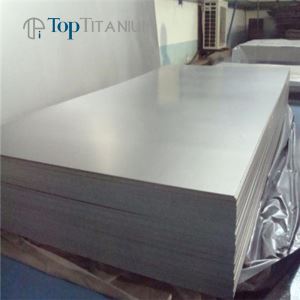
As a supplier of titanium anodes for hydrometallurgy, we understand the importance of providing high – quality anodes that are optimized for your specific applications. Our high – purity titanium anodes are designed to deliver superior performance, longer service life, and lower operating costs.
Titanium Tube If you’re looking to improve the efficiency and productivity of your hydrometallurgical operations, we invite you to contact us to discuss your requirements. Our team of experts can provide you with detailed information about our product range and help you select the most suitable titanium anodes for your needs. We look forward to collaborating with you to achieve your hydrometallurgy goals.
References
- Fontana, M. G., & Greene, N. D. (1978). Corrosion Engineering. McGraw – Hill.
- Bard, A. J., & Faulkner, L. R. (2001). Electrochemical Methods: Fundamentals and Applications. Wiley.
- ASM Handbook Committee (1994). ASM Handbook Volume 2: Properties and Selection: Nonferrous Alloys and Special – Purpose Materials. ASM International.
Baoji Top Titanium Industry Co., Ltd.
As one of the most professional titanium anodes for hydrometallurgy manufacturers and suppliers in China, we’re featured by quality products and good price. Please rest assured to buy bulk titanium anodes for hydrometallurgy in stock here and get quotation from our factory. Customized orders are welcome.
Address: No. 2, South Section Of Phoenix 2nd Road,High-Tech Zone, Baoji,Shaanxi, China (Mainland)
E-mail: sales@bjtopti.com
WebSite: https://www.china-topti.com/
