As a supplier of Linear Milling Machines, I understand the critical role that linear guideways play in the performance and longevity of these machines. Linear guideways are essential components that determine the precision, stability, and smoothness of the milling process. Proper maintenance of these guideways is not only crucial for ensuring optimal machine performance but also for extending their service life and reducing operational costs. In this blog, I will share some practical tips on how to maintain the linear guideways in a Linear Milling Machine. Linear Milling Machine
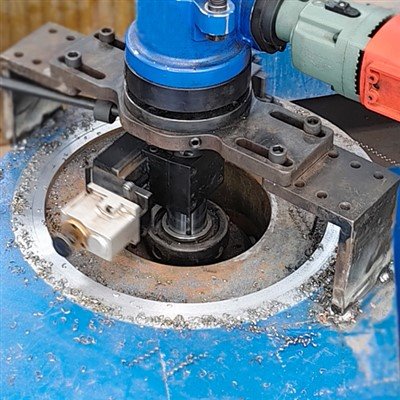
1. Regular Cleaning
One of the most fundamental aspects of linear guideway maintenance is regular cleaning. During the milling process, chips, dust, and coolant can accumulate on the guideways, which can cause abrasion and damage to the guide surfaces. Over time, this can lead to reduced precision, increased friction, and ultimately, premature failure of the guideways.
To clean the linear guideways, first, turn off the machine and unplug it from the power source to ensure safety. Then, use a soft brush or compressed air to remove loose chips and dust from the guideways. For stubborn debris, a mild cleaning solution can be used. However, it is important to avoid using abrasive cleaners or solvents that could damage the guideway surfaces. After cleaning, dry the guideways thoroughly to prevent corrosion.
It is recommended to clean the linear guideways daily or at least after each significant machining operation. This simple step can significantly reduce the risk of wear and tear and keep the guideways in good working condition.
2. Lubrication
Proper lubrication is another key factor in maintaining linear guideways. Lubricants reduce friction between the moving parts of the guideways, prevent wear, and protect against corrosion. There are different types of lubricants available for linear guideways, including oils and greases, and the choice of lubricant depends on various factors such as the operating speed, load, and environmental conditions of the machine.
For high – speed applications, oil lubrication is often preferred as it provides better cooling and can handle the high – speed movement of the guideways. Oil can be applied through an automatic lubrication system, which ensures a continuous and consistent supply of lubricant to the guideways. On the other hand, grease lubrication is suitable for low – to medium – speed applications and offers better sealing properties, preventing the ingress of contaminants.
When lubricating the linear guideways, follow the manufacturer’s recommendations regarding the type and amount of lubricant to use. Over – lubrication can be as harmful as under – lubrication, as it can attract dirt and debris, leading to increased wear. Periodically check the lubrication system to ensure that it is working properly and refill or replace the lubricant as needed.
3. Inspection
Regular inspection of the linear guideways is essential for detecting any signs of wear, damage, or misalignment early on. Visual inspection can be carried out daily to check for obvious signs such as scratches, dents, or corrosion on the guideway surfaces. It is also important to inspect the guideway carriages for any signs of looseness or abnormal movement.
In addition to visual inspection, more in – depth inspections can be performed at regular intervals. This can include measuring the accuracy of the guideways using precision measuring tools such as dial indicators. By comparing the measured values with the manufacturer’s specifications, any deviations can be identified and addressed promptly.
If any signs of wear or damage are detected during the inspection, it is important to take appropriate action. Minor damage can sometimes be repaired by polishing the guideway surfaces, while more severe damage may require replacement of the affected parts. Timely replacement of worn parts can prevent further damage to the guideways and other components of the linear milling machine.
4. Avoid Overloading
Overloading the linear guideways can cause excessive stress and wear, leading to premature failure. When operating a linear milling machine, it is important to stay within the recommended load capacity of the guideways. This means carefully considering the size and weight of the workpiece, as well as the cutting forces involved in the milling process.
Before starting a milling operation, calculate the expected cutting forces based on the cutting parameters such as the cutting speed, feed rate, and depth of cut. Make sure that the total load on the guideways, including the weight of the workpiece and the cutting forces, does not exceed the rated capacity of the guideways.
If a high – load milling operation is required, consider using a linear milling machine with larger or more robust guideways that can handle the increased load. Additionally, optimizing the cutting parameters can help reduce the cutting forces and minimize the load on the guideways.
5. Environmental Protection
The operating environment of the linear milling machine can have a significant impact on the condition of the linear guideways. Exposure to moisture, dust, and extreme temperatures can accelerate the wear and corrosion of the guideways. Therefore, it is important to protect the machine from these environmental factors.
If the machine is located in a humid environment, use dehumidifiers or moisture – resistant coatings to prevent corrosion. In dusty environments, install dust – collection systems to reduce the amount of dust that reaches the guideways. Additionally, ensure that the machine is located in an area with a stable temperature and avoid exposing it to direct sunlight or extreme temperature fluctuations.
6. Operator Training
Proper operator training is crucial for the correct maintenance and operation of linear milling machines. Operators should be trained on the importance of linear guideway maintenance and the correct procedures for cleaning, lubricating, and inspecting the guideways. They should also be aware of the signs of potential problems and know when to report them.
In addition to maintenance training, operators should be trained on the proper operation of the linear milling machine to avoid overloading the guideways and causing unnecessary damage. This includes understanding the cutting parameters, the capacity of the machine, and the correct way to load and unload workpieces.
Conclusion
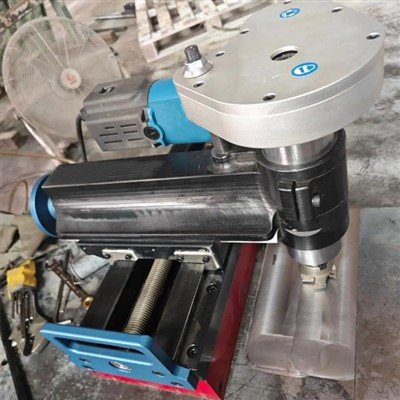
Maintaining the linear guideways in a linear milling machine is a multi – faceted task that requires regular cleaning, proper lubrication, thorough inspection, avoiding overloading, environmental protection, and operator training. By following these maintenance tips, you can ensure the optimal performance and longevity of the linear guideways, which in turn will enhance the overall performance and reliability of your linear milling machine.
Facing Head If you are in the market for a high – quality linear milling machine or need more in – depth advice on linear guideway maintenance, feel free to contact us. Our team of experts is always ready to assist you and provide you with the best solutions for your machining needs.
References
- Manufacturer’s manuals for linear milling machines and linear guideways
- Industry – standard textbooks on machine tool maintenance and operation
- Research papers on the performance and maintenance of linear motion systems
Shangqiu JDA Machinery Technology Co., Ltd.
With abundant experience, we are one of the most professional linear milling machine manufacturers and suppliers in China. We warmly welcome you to buy cheap linear milling machine for sale here from our factory. Quality products and reasonable price are available.
Address: No. 55 Pingyuan Middle Road, Liangyuan District, Shangqiu, Henan, China
E-mail: sales@jdamachines.com
WebSite: https://www.jdamachines.com/
