Hey there! I’m a supplier of deodorant containers, and over the years, I’ve learned a thing or two about transporting these little guys. It’s not as simple as just packing them up and shipping them off. There are a bunch of factors to consider, like safety, cost, and efficiency. So, let’s dive into what I think is the best way to transport deodorant containers. Deodorant Container

Understanding the Product
First off, we need to understand what we’re dealing with. Deodorant containers usually hold a liquid or gel that contains chemicals like alcohol, fragrance, and propellants. These substances can be flammable or hazardous if not handled properly. That means we have to follow strict rules to make sure they’re transported safely.
Safety First: Packaging
The first step in transporting deodorant containers is getting the packaging right. You can’t just throw them in a box and call it a day. I always use sturdy, shock – resistant packaging materials. Cardboard boxes with plenty of cushioning, like bubble wrap or foam inserts, are my go – to. This helps protect the containers from damage during transit.
For example, if a container gets dented or punctured, it could leak its contents, which is not only a waste of product but also a safety hazard. And trust me, you don’t want to deal with a messy, smelly spill on a delivery truck.
Another important aspect of packaging is labeling. You’ve got to clearly mark the boxes as containing deodorant and provide all the necessary safety information. This includes details about the product’s ingredients, any hazards, and handling instructions. It’s the law in most places, and it also helps the carriers and handlers know what they’re dealing with.
Choosing the Right Carrier
Once the containers are safely packaged, it’s time to choose a carrier. There are a few different options out there: trucks, trains, and planes.
Trucking is a popular choice because it’s flexible. You can pick up and drop off at various locations, and it’s great for local or regional deliveries. But there are some downsides. Trucks are subject to traffic, which can cause delays. And if you’re shipping a large volume, it might not be the most cost – effective option in the long run.
Trains are a more eco – friendly and cost – effective option for long – distance shipments. They can carry a large amount of cargo at once, which helps spread out the cost. However, trains have a limited number of stops, and you might need to arrange for additional transportation to get the containers to their final destination.
Air freight is the fastest option, but it’s also the most expensive. If you’re in a hurry to get your deodorant containers to a customer, or if you’re shipping internationally, air freight might be the way to go. But keep in mind, there are also strict regulations regarding shipping hazardous materials by air. You’ve got to make sure your packaging and documentation meet all the requirements.
I usually recommend a combination of these methods. For example, use trucks for local pickups and deliveries, trains for long – distance transportation within the country, and air freight for international or time – sensitive shipments.
Temperature and Humidity Control
Deodorant containers are sensitive to temperature and humidity. Extreme heat can cause the propellants to expand, which could lead to leaks or even explosions. On the other hand, extreme cold can make the liquid or gel inside the container thicken or freeze, affecting its performance.
That’s why it’s important to control the temperature and humidity during transportation. If you’re using trucks, make sure they’re equipped with climate – control systems. For trains and planes, choose carriers that offer temperature – controlled cargo holds.
I once had a customer who received a shipment of deodorant that had been exposed to high temperatures during transit. The containers were bulging, and some of them had leaked. It was a real headache to deal with the returns and the customer’s dissatisfaction. So, don’t cut corners when it comes to temperature and humidity control.
Documentation and Compliance
Shipping deodorant containers involves a lot of paperwork. You need to have proper shipping invoices, bills of lading, and safety data sheets. These documents provide important information about the product, its quantity, and its destination.
You also have to comply with various regulations. Different countries and regions have their own rules regarding the transportation of hazardous materials. For example, in the United States, the Department of Transportation (DOT) has strict guidelines for shipping products like deodorants. Make sure you stay up – to – date with these regulations to avoid any fines or delays.
I’ve seen suppliers get into trouble because they didn’t have the right documentation or they didn’t follow the rules. It can be a costly mistake, both in terms of money and reputation. So, always double – check your paperwork and make sure you’re in compliance.
Tracking and Monitoring
In today’s digital age, it’s essential to be able to track and monitor your shipments. Most carriers offer tracking services that allow you to see where your deodorant containers are at any given time. This gives you peace of mind and also helps you keep your customers informed.
You can also use sensors to monitor the temperature, humidity, and shock levels during transit. If there are any issues, you can take immediate action to prevent damage to the product. For example, if the temperature in a container is getting too high, you can alert the carrier to take corrective measures.
Cost – Effectiveness
Of course, cost is always a factor when it comes to transportation. You want to find the best way to get your deodorant containers from point A to point B without breaking the bank. This means finding the right balance between safety, speed, and cost.
One way to save money is to consolidate your shipments. If you’re shipping to multiple customers in the same area, try to combine your orders into one large shipment. This can help you get better rates from carriers.
Another option is to negotiate with your carriers. Build a good relationship with them and see if you can get volume discounts or better terms. You’d be surprised how much you can save just by having a good conversation.
Conclusion
So, what’s the best way to transport deodorant containers? Well, there’s no one – size – fits – all answer. It depends on a variety of factors, including the destination, the quantity, and the timeframe. But by following these tips, you can ensure that your deodorant containers are transported safely, efficiently, and cost – effectively.
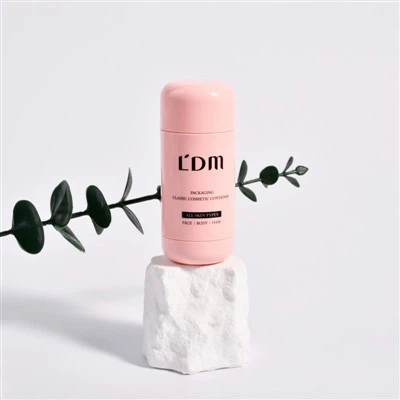
If you’re in the market for deodorant containers and want to talk about transportation options, I’d love to hear from you. Just reach out, and we can have a chat about how we can work together to meet your needs.
Cosmetic Bottle References
- Department of Transportation (DOT) regulations on hazardous materials shipping
- Industry best practices for packaging and transporting consumer products
Shaoxing Longderm Plastic Co., Ltd.
Shaoxing Longderm Plastic Co., Ltd. is one of the leading deodorant container manufacturers and suppliers in China. We warmly welcome you to wholesale custom made deodorant container from our factory. For more cheap products, contact us now.
Address: No. 55, Tongmingnan’an Road, Yuxian Village, Fenghui Town, Shangyu District
E-mail: hello@ldmpac.com
WebSite: https://www.ldmpackaging.com/
