If you’re in the market for anti scratch wood grain film—whether you’re a furniture manufacturer, interior designer, cabinet maker, or even a retail brand looking to refresh product surfaces—one of the first questions you’ll ask is “what’s the price range?” As a supplier who’s worked with clients across residential, commercial, and industrial spaces for over a decade, I can tell you there’s no one-size-fits-all answer. The cost of this durable, wood-like material depends on dozens of factors, and understanding those variables will help you budget accurately without overpaying for features you don’t need. Let’s break this down, straight from the perspective of someone who fields pricing calls every single day. Anti Scratch Wood Grain Film

First, let’s start with the basics: what even is anti scratch wood grain film, for anyone who’s new to the space? Unlike real wood veneer, which is sliced from solid logs and prone to scratches, dents, and water damage, this film is a composite material—usually made of PVC, PET, or a hybrid polymer—that’s printed with realistic wood grain patterns and layered with a scratch-resistant (often called “scratch-resistant coating,” or SRC) topcoat that’s tested to withstand everything from moving furniture sliding across it to pet claws and household cleaning supplies. It’s applied to surfaces like particleboard, MDF, plywood, or even metal, making it a popular alternative to solid wood for projects that need durability on a budget. But that functionality comes with varying price points, and the range is wide enough to trip up first-time buyers.
Let’s dive into the actual price ranges, starting with the most affordable end of the spectrum. If you’re working on small, low-stakes projects—think DIY home updates, custom cabinetry for a small apartment, or temporary event surfaces—you’re looking at entry-level anti scratch wood grain film, which usually costs between $0.50 and $1.20 per square foot. I see a lot of first-time clients get drawn in by these low numbers, and while there’s a place for this tier, it’s important to set expectations. This film is typically made with thin, low-grade polymer bases, the wood grain print is often mass-produced with generic stock patterns (think basic oak or pine that looks flat, not textured), and the scratch-resistant coating is thinner and less durable. It will hold up against light use—like a bookshelf that doesn’t get hit often or a pantry door that’s only opened a few times a week—but it’s not going to stand up to heavy commercial foot traffic, or constant abrasion from hard objects. I once had a client who bought this tier for a retail store’s checkout counter, and within three months, the area where customers slid their credit cards was scuffed so badly you could no longer tell it was supposed to be walnut. That’s not a failure of the product—just a mismatch between what they needed and what the $0.80 per square foot film could deliver.
Next, the mid-tier is where most of my regular clients land, and for good reason. This range typically runs between $1.20 and $3.50 per square foot, and it’s where you start to see meaningful upgrades that make a huge difference in performance and aesthetics. For one, the base material is thicker (usually 80 to 120 microns, compared to 50 to 70 microns for entry-level), so it’s less likely to bubble or wrinkle during installation, which saves on labor costs too. The wood grain prints here are customizable, so you can match exact species like white oak, cherry, reclaimed barn wood, or even rare specialty grains like teak or acacia, with high-definition printing that includes subtle variations in tone and even tiny “natural” imperfections, making it look far more realistic than entry-level stock patterns. The scratch-resistant coating in this tier is also upgraded: most mid-range films have a 2H or 3H pencil hardness rating, which means they can withstand scratches from metal keys, pot handles, and chair legs without leaving permanent marks. For context, pencil hardness is a standard industry test: a 2H pencil is harder than a standard #2 pencil (which is HB), so a 3H rating means it’s resistant to most common household abrasions. This tier works for most residential projects—kitchen cabinets, bathroom vanities, bedroom furniture—and even small commercial spaces like a coffee shop’s seating walls or a boutique retail floor. Last year, I worked with a small restaurant owner who chose mid-tier film for their 12 booths, and after two years of daily use, the only noticeable wear was a tiny scuff on one edge of a booth, nothing that required replacement.
Then there’s the premium tier, which is for high-end, heavy-use, or custom projects where aesthetics and durability are non-negotiable. This range starts at $3.50 per square foot and can go up to $8 or even $10 per square foot for highly specialized products. What makes this tier worth the extra cost? First, the materials: premium anti scratch wood grain film is usually made of PET (polyethylene terephthalate) or a reinforced hybrid polymer, which is more eco-friendly than PVC (a big selling point for high-end brands) and has a higher scratch resistance—often 4H or 5H pencil hardness, which is durable enough for heavy commercial spaces, healthcare facilities, or public libraries where thousands of people a day will interact with surfaces. The grain printing here is not just high-definition; many premium films have a textured overlay, so they feel like real wood when you run your hand over them, not just look like it. They’re also often treated with additional features: anti-bacterial coatings for hospitals, UV-resistant coatings for outdoor surfaces (like patio furniture or storefront facades that get direct sun), or waterproof layers that can withstand constant exposure to moisture (perfect for commercial kitchens or marine environments). I recently worked with a luxury apartment developer that used premium film for their 500-unit common area cabinetry, and their project manager told me they chose this tier because it would last the 10-year warranty the building required, with minimal maintenance. For perspective, solid wood cabinetry would cost at least $15 per square foot installed, so even the highest-tier anti scratch wood grain film is still a fraction of that cost, while delivering equal or better scratch resistance.
Wait, but before you lock in on a price range, there are a bunch of other factors that can shift the cost, regardless of the base tier—factors that most buyers don’t consider until they get a quote. First is order volume. Like most bulk products, the more square footage you order, the lower the per-square-foot cost. A custom furniture maker ordering 10,000 square feet a quarter will pay 15% to 25% less per foot than a DIYer ordering 100 square feet for a single bookshelf. Then there’s custom design work: if you need a unique wood grain pattern that’s not in our standard library, or if you want a custom size cut to fit your project (instead of buying full rolls that you have to cut yourself), that can add $0.50 to $1 per square foot to the cost. Installation method also plays a small role, though that’s usually a separate line item—film that’s pre-adhesive (self-stick) is slightly cheaper than film that requires glue, and if you order pre-cut panels, you save on labor but pay a bit more per foot. Another big one is certifications: if you need the film to meet GREENGUARD standards for low chemical emissions (required for schools, daycares, or healthcare settings) or CARB Phase 2 for formaldehyde content, that adds a small premium, usually between $0.20 and $0.70 per square foot, but it’s non-negotiable for many regulated spaces.
I’ve had clients ask me more than once why the price range is so wide, and that question always brings me back to a story from my first year in the business. A small custom cabinet shop came to me complaining that they’d paid $1.80 per square foot for film from a competitor, but within six months, the film was scratching so badly they had to replace 20 cabinets. When they sent a sample, I tested it: it was an entry-level film with a thin scratch coating, misrepresented as “mid-tier” by the sales rep. That’s why transparency is so important here—there’s a reason the tiers are split, and cutting corners on cost usually ends up costing you more in repairs or replacement down the line. For example, a $0.50 per square foot difference for a 1,000 square foot cabinet project is $500 upfront, but if that film fails after two years, you’re looking at another $5,000 to $10,000 to replace all the surfaces. The premium mid or high tier might cost $2,000 more upfront, but it will last 10 to 15 years, with almost no maintenance.
So, to recap: if you’re working on a small, low-use DIY project, entry-level at $0.50-$1.20 per square foot is appropriate. For most residential projects, small commercial spaces, or regular use, mid-tier at $1.20-$3.50 per square foot is the sweet spot. For high-end, heavy-use, or custom projects where longevity and aesthetics are key, premium tier at $3.50-$10 per square foot is the right choice.
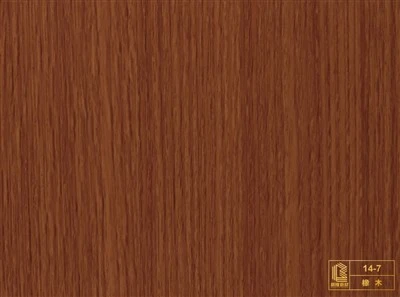
At the end of the day, pricing for anti scratch wood grain film isn’t just about numbers—it’s about matching the product to your needs. I’ve worked with everyone from homeowners putting together their first bookshelf to global retail brands outfitting 100 store locations, and the best quote is always the one that balances cost, durability, and looks. If you’re ready to get a customized quote for your project, or you have questions about which tier makes sense for what you’re building, reach out to our team to discuss your needs and get a tailored price breakdown. We can share sample rolls, walk you through the performance ratings, and make sure you don’t overpay for features you won’t use, or skimp on the durability your project needs.
Solid Color PVC Film References:
- National Wood Flooring Association. (2021). Comparative Performance of Architectural Surface Films vs. Solid Wood. NWFA Journal.
- Society of Plastics Engineers. (2022). Testing Standards for Scratch Resistance in Polymer Films Used in Architectural Applications. SPE Technical Papers.
- Architectural Woodwork Manufacturers Association. (2023). Cost-Benefit Analysis of Laminate and Vinyl Film Surfaces for Residential and Commercial Cabinetry. AWMA Annual Report.
- Greenguard Environmental Institute. (2022). Low-Emitting Surface Materials for Indoor Spaces: Certification Guidelines and Cost Impacts. GEI White Paper.
- U.S. Green Building Council. (2021). LEED Credit Guide: Surface Material Selection for Durability and Sustainability. USGBC Technical Brief.
Zhejiang Biaolong New Materials Co., Ltd.
Zhejiang Biaolong New Materials Co., Ltd. is one of the most experienced anti scratch wood grain film manufacturers and suppliers in China, also supports customized service. We warmly welcome you to buy high quality anti scratch wood grain film in stock here from our factory. If you have any enquiry about cooperation, please feel free to email us.
Address: No.2 Helai Road, Lianhua Mountain Industrial Park, Jiangshan City
E-mail: Yuspvc@gmail.com
WebSite: https://www.biaolongpvc.com/
