When I first started sourcing polyester crepe fabric two decades ago, I was drawn to its versatility—soft yet durable, with that delicate crinkle texture that works for everything from blouses to home decor. Back then, I didn’t think much about the environmental cost behind every yard I brought in. Like many suppliers, I focused on delivering on time, meeting price points, and keeping my clients happy. It took years of working with mills, attending industry sustainability workshops, and listening to feedback from brands that care deeply about their carbon footprint for me to fully grasp how polyester crepe fabric impacts the environment at every stage of its life cycle. Today, as a supplier who’s made reducing that impact a core part of my business, I want to break down what that really means—from raw material extraction to end-of-life disposal—and share the steps we’re taking to do better. Polyester Crepe Fabric
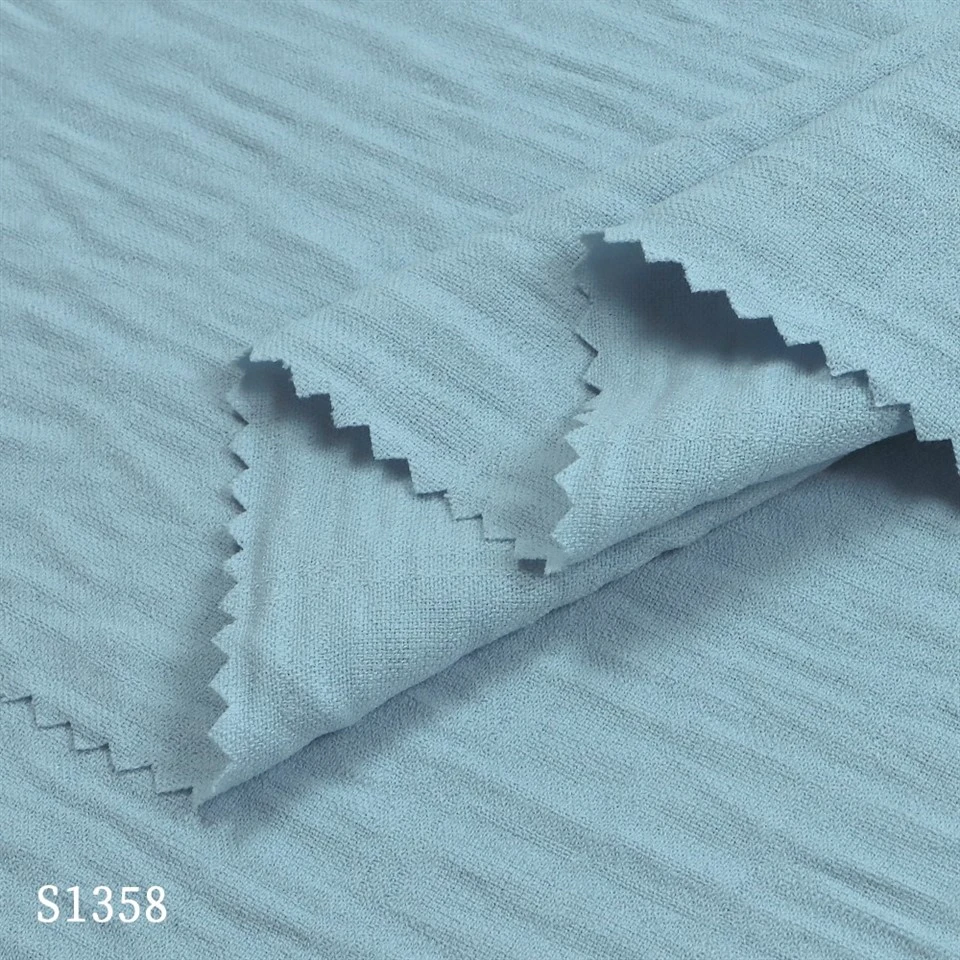
Let’s start with the basics: polyester is a type of polyethylene terephthalate (PET), a synthetic polymer made from non-renewable fossil fuels—specifically crude oil and natural gas. Every time a mill produces polyester crepe, it starts with refining those resources into small pellets, called chips, which are then melted, extruded into fine fibers, and twisted or crimped to create that distinctive, textured crepe look. The first big environmental hit here is resource depletion. The global textile industry uses roughly 93 million barrels of oil annually, and polyester makes up more than half of all fiber produced worldwide. For polyester crepe, which often uses a mix of both virgin and recycled polyester fibers, the virgin component is still tied directly to oil drilling.
What’s easy to overlook is the energy that goes into turning oil into fabric fibers. The melting and extruding process requires intense heat, and most traditional polyester production relies on coal or natural gas for power. Studies from the Textile Institute show that producing one kilogram of polyester generates about 5.5 kilograms of carbon dioxide (CO2) equivalent—more than twice the emissions from producing the same amount of cotton. When you scale that up to a single order of polyester crepe, say 1,000 meters, that’s hundreds of kilograms of CO2 released just from fiber production. It’s not just greenhouse gases, either. Many older mills in regions with lax environmental regulations release volatile organic compounds (VOCs) and toxic fumes during polymerization, which contribute to air pollution in nearby communities. I’ve visited these mills firsthand in Southeast Asia and South America, and I’ve seen firsthand how the brown haze from their stacks lingers over nearby villages, making it hard for children to play outdoors.
Next comes the dyeing and finishing stage—arguably the most water-intensive and polluting part of making polyester crepe. Polyester is a hydrophobic fiber, meaning it repels water, so dyeing it requires high temperatures (around 130°C) and synthetic chemicals to force the dye into the fibers. Traditional dyeing uses a lot of water: for every kilogram of polyester crepe produced, mills can use up to 150 liters of water, according to the United Nations Environment Programme (UNEP). The big problem here is that most of the wastewater isn’t treated properly before being released into rivers or streams. It’s laced with heavy metals like lead and mercury from dye pigments, as well as toxic chemicals like phthalates and alkylphenols, which are used to make the crepe texture hold its shape. In many regions, this wastewater contaminates local water sources, making it unsafe for farming or drinking. I once worked with a small organic farm in Bangladesh that lost half their rice crop after a nearby polyester mill discharged untreated dye water into their irrigation canal—proof that this pollution doesn’t stay contained in factories.
Waste is another huge piece of the puzzle. Polyester crepe is designed to be durable, which means it doesn’t break down easily. Unlike natural fabrics like cotton or wool, which decompose in a few years, polyester can take 20 to 200 years to break down in a landfill. Even when it does, it releases microplastics—tiny fiber fragments that enter soil and water systems, where they’re ingested by fish, birds, and eventually humans. A 2022 study in Environmental Science & Technology found that washing synthetic fabrics like polyester crepe releases up to 190,000 microfibers per load. These microfibers have been found in remote areas like the Arctic and even in the deepest parts of the ocean, highlighting how far the impact of our fabric choices travels. As a supplier, I used to see a lot of overstock fabric being thrown away at the end of each season—old rolls of polyester crepe that couldn’t be resold, cut into scrap and sent to landfills. It felt wasteful, but at the time, there wasn’t a good alternative for recycling that material.
But here’s what’s changed in the last 10 years: as more brands demand sustainable options, the polyester crepe market has shifted, and so have I. I’ve stopped working with mills that don’t have proper wastewater treatment systems, and now I only source fabric made with a minimum of 50% recycled polyester. The recycled polyester we use comes from post-consumer PET bottles—each roll of fabric is made from roughly 20 plastic bottles, which would have otherwise ended up in a landfill or ocean. This doesn’t eliminate the environmental impact entirely, but it reduces it by about 30% compared to virgin polyester, according to a 2021 life cycle assessment from the European Polyester Fibers Association (EPFA). We also partner with mills that use renewable energy for production—many now run on solar or wind power, cutting carbon emissions from fiber production by nearly 40%.
We’ve also invested in water-efficient dyeing processes that use less energy and less water. The mills we work with now use a technology called high-temperature, high-pressure dyeing with closed-loop systems, which recirculate 95% of the water used in dyeing. That means instead of releasing wastewater, they filter and reuse it, cutting water consumption per kilogram of polyester crepe down to just 20 liters—a massive improvement over 150 liters. We also use water-based dyes that don’t contain toxic heavy metals, and all our dyeing chemicals are certified by the Global Organic Textile Standard (GOTS) or the OEKO-TEX Standard 100, which ensures they don’t harm human health or the environment.
When it comes to waste, we’ve changed how we handle overstock. Instead of throwing away leftover rolls, we work with textile recycling companies that break down the polyester fibers and turn them into new fabric or other materials like insulation. We’ve also started offering our clients options for take-back programs—when a brand is done with unsold polyester crepe, they can return it to us, and we’ll send it for recycling instead of sending it to a landfill. Last year, we recycled over 5,000 kilograms of leftover fabric, diverting it from landfills.
That said, there’s still a long way to go. Even with recycled polyester and efficient processes, polyester crepe is still a synthetic fabric, and it will never be as sustainable as natural fibers like organic linen or hemp. The microplastic issue is still a challenge—when our fabric is eventually worn out, it will still release fibers. That’s why we now only supply polyester crepe to brands that are developing microfiber filtration systems for their laundry machines, and we educate our clients on how to reduce microplastic release, like washing fabric in cold water and using front-loading washing machines.
I know that for many buyers, cost is a big factor. Sustainable polyester crepe is often a bit more expensive than conventional fabric, but the long-term benefits—for the environment, for brand reputation, and for the communities where fabrics are made—are worth it. I’ve worked with small clothing brands that started out buying cheap conventional polyester crepe, only to face backlash from customers who saw the environmental impact of their products. When they switched to our sustainable line, their sales went up, and they were able to market their products as eco-friendly without sacrificing the quality or texture their customers love.
As a supplier, I don’t just sell fabric—I build relationships. I visit every mill we partner with at least twice a year, to check their environmental practices, meet the workers, and make sure they follow fair labor standards too. Because sustainability isn’t just about the planet; it’s about the people who make our fabric. I’ve seen mills that provide their workers with safety gear, clean drinking water, and fair wages, and I’ve seen mills that exploit their employees. That’s why vetting our suppliers is such a big part of what we do.
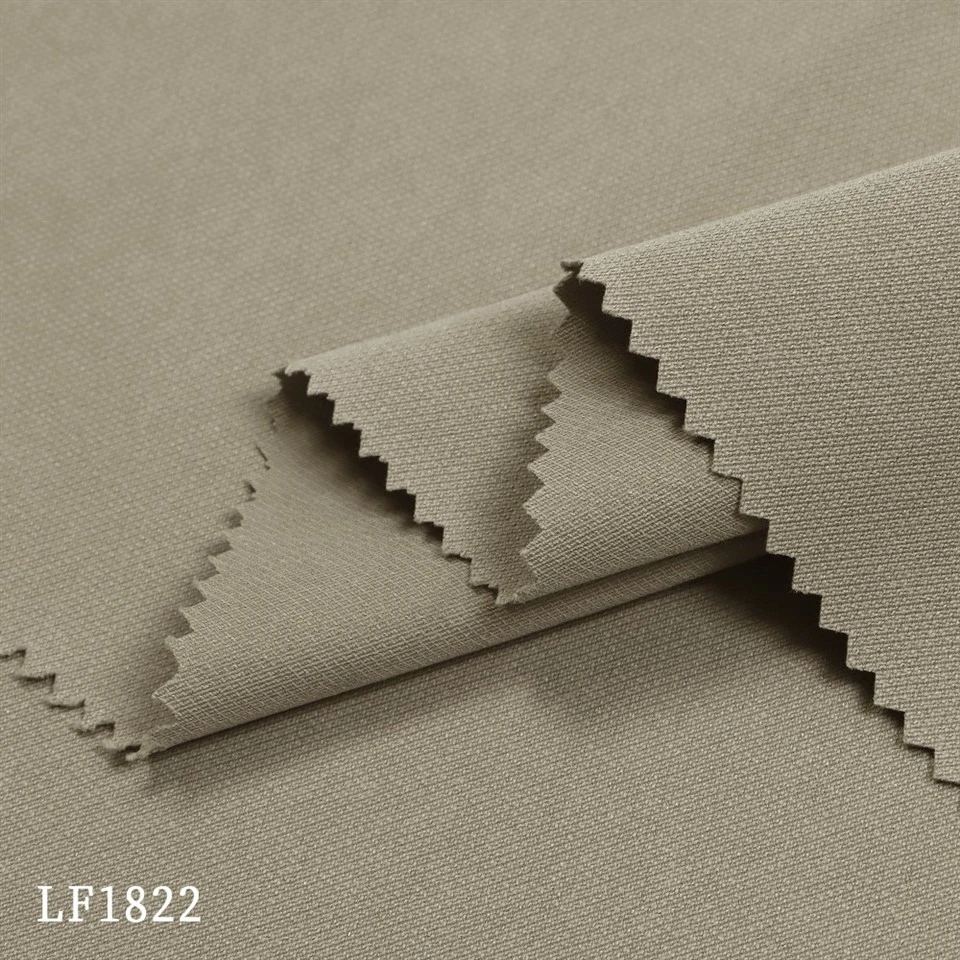
If you’re a brand looking for polyester crepe fabric that aligns with your environmental values, I’d love to talk. We offer a range of weights and textures, from lightweight crinkled crepe for blouses to heavier, more durable crepe for upholstery. Every yard we supply is made with recycled polyester, uses water-efficient dyeing, and meets strict environmental and labor standards. We can also work with you to develop custom colors and textures, tailored to your design needs. Let’s chat about how we can create fabric that works for your brand and the planet.
Polyester Crepe Fabric References
- Textile Institute. (2020). Life Cycle Assessment of Synthetic Textile Fibers. Manchester, UK: Textile Institute.
- United Nations Environment Programme (UNEP). (2019). Technical Brief: Water Scarcity and the Textile Industry. Nairobi, Kenya: UNEP.
- European Polyester Fibers Association (EPFA). (2021). Environmental Impact of Recycled Polyester Production. Brussels, Belgium: EPFA.
- Environmental Science & Technology. (2022). Microplastic Release from Synthetic Textiles During Domestic Washing. Washington, DC: American Chemical Society.
- Global Organic Textile Standard (GOTS). (2023). Certification Requirements for Textile Production. Bonn, Germany: GOTS International Foundation.
- OEKO-TEX Standard 100. (2022). Limits for Hazardous Substances in Textiles. Zurich, Switzerland: International Association for Research and Testing in the Field of Textile and Leather Ecology (OEKO-TEX).
Shaoxing Huichao Textile Co., Ltd.
As one of the most professional polyester crepe fabric manufacturers and suppliers in China, we offer a wide range of products with superior quality. Please feel free to wholesale bulk high-end polyester crepe fabric in stock here from our factory. Good service and reasonable price are available.
Address:
E-mail: darrenzhong@huichaotextile.com
WebSite: https://www.huichao-textile.com/
