Hey, let’s cut to the chase—if you’re reading this, you’ve probably had that annoying moment: you’re touching up your shoes with shoe polish, you tilt your head down, and bam—you get a random smudge right on the tongue. Not just any smudge, either; shoe polish’s made to stick, so a quick wipe with a wet cloth doesn’t cut it. And if you’re a regular at polishing your kicks (or even if you just fumbled a tin last night), this problem’s way more common than you think. Today, I’m breaking this down like I do for my team when they ask for help fixing messy shipping labels on polish tins—no fancy jargon, just stuff that actually works, plus a nod to what we make here, since I’m the one who bottles that dark brown (or black, or neutral) stuff you’re fighting. Shoe Polish

First, let’s talk about why this is such a pain. Shoe polish isn’t just wax and coloring—if you’re buying a good one (like the kind we supply), it’s formulated to bond with leather. The tongue? Usually a mix of fabric (cotton, nylon) or sometimes thin leather if it’s a nicer pair. Fabric’s extra tricky because wax seeps into those tiny fibers fast. Wiping it too hard can push the polish deeper, and if you use something too abrasive, you might damage the fabric or leather on your shoe. I’ve seen so many folks grab a paper towel and scrub, only to have a bigger mess, so skip that at first. Let’s go step by step, starting with prepping—because rushing this is how you make things worse.
Step 1: Blot, don’t rub. Before you grab any liquids, get a dry, clean cloth (old t-shirts work great, no lint) and press it on the polish spot. Don’t rub—rubbing smears it. Press firmly for 10 to 15 seconds, lift, and if the cloth has polish on it, do it again with a clean part of the cloth. This gets rid of any excess surface polish before you add liquid, which is key. If you skip this, you’ll just spread the polish around instead of lifting it. I learned this when a customer reached out saying they ruined a brand-new pair of white sneakers; they rubbed right away, and the polish spread all over the rest of the shoe. Oops.
Step 2: Pick the right cleaning product based on your tongue material. This is the part most people mess up—using a leather cleaner on a fabric tongue, or a harsh chemical on thin leather. Let’s break it down:
If your tongue’s fabric (most casual shoes, sneakers, some dress shoes): You want something that cuts wax but doesn’t fade or damage fabric. Dish soap? Wait, not any dish soap—avoid the super bleachy ones. A mild, fragrance-free dish soap (like Dawn Original, but skip the blue one with added bleach) mixed with warm water works here. The soap’s surfactants break down the wax in polish without being too harsh. But if that’s not enough, try a little rubbing alcohol (70% works, not 91% which is too strong) — test it on a tiny, hidden spot on the tongue first, just to make sure it doesn’t discolor. I’ve had a few people ask about nail polish remover, but that’s acetone, which will eat through fabric dyes fast—save that for emergencies only, and even then test first.
If your tongue’s leather (dress shoes, nice boots): Leather needs a gentle approach so it doesn’t dry out. Skip dish soap here—go for a commercial leather cleaner (we actually stock a mild one that works for this, fyi) or even a small amount of white vinegar mixed with equal parts water. Vinegar’s acidic enough to cut wax without stripping the leather’s natural oils. Again, test on a hidden spot—some leathers, especially suede, need different treatment, but we’ll get to suede in a sec.
Step 3: Apply the cleaning mix, spot test first. No matter what product you pick, dab it on the cloth (not directly on the shoe) — so it’s damp, not soaking wet. Too much water will seep into the shoe lining, which can cause odor or even mold if you don’t dry it right. Gently dab the polish spot, not rub. Each time you dab, use a clean part of the cloth so you’re not just moving polish around. Do this until you don’t see any more polish transferring to the cloth. For stubborn spots on fabric, you can use a soft-bristled toothbrush (new, obviously) to gently scrub in circular motions—light pressure, don’t dig in. If it’s suede? Suede’s super delicate—only use a suede eraser (the pink block kind) and gently rub the spot, then brush with a suede brush to fluff the fibers back up. Never use liquid on suede unless it’s a suede-specific cleaner—too much water will leave water stains, which is worse than a polish smudge.
Step 4: Dry properly. Once the smudge is gone, take a dry cloth and press the area to soak up any leftover moisture. Then, stuff the shoe with newspaper (crumbled up, not tight) to help it hold its shape and wick out any extra dampness. Let it air dry in a cool, shady spot—never put it near a heater or sun, that can make the fabric shrink or leather crack. I learned this the hard way; I once rushed drying a pair of leather boots near a space heater, and the tongue shrank so bad the laces wouldn’t thread through. Lesson learned.
Now, quick pro tips that save you from this mess in the first place. 1) When you’re polishing your shoes, take your time. Instead of leaning way down, hold the shoe so the polish applicator or cloth is aimed away from the tongue. I always tell my team at the polish factory: slow and steady = no smudges. 2) Keep a tiny cloth nearby while you polish—if you do get a smudge mid-job, wipe it right away before it dries. Dried polish is way harder to remove than fresh. 3) For dress shoes, use a shoe horn to keep the tongue flat while you polish the upper—less chance of polish landing on it.
Wait, you might be wondering—how does shoe polish tie into all this? Well, as someone who makes polish, I’ll be honest: not all polish is created equal. The stuff we supply is formulated to be long-lasting on the shoe upper, but that means it’s a bit tougher to remove if it gets where it shouldn’t. Cheaper polishes have more fillers that wash out easier, but ours is pure wax and pigment for that shine that lasts through rain and scuffs. So if you’re tired of dealing with polish smudges, or you need a consistent, high-quality polish for your shoe collection (or if you’re a shoe repair shop, boutique, or brand looking to stock bulk polish), hit us up to chat. We can hook you up with the right polish for your needs, plus even pass along a few more of these quick cleaning hacks to keep your kicks looking fresh. I’m not here to push a sale, but I know how frustrating it is when a little polish fumble ruins a perfectly good shoe—so if you’re ready to source polish that works as hard as you do, reach out to connect on a order. No weird hoops, just straightforward talk.
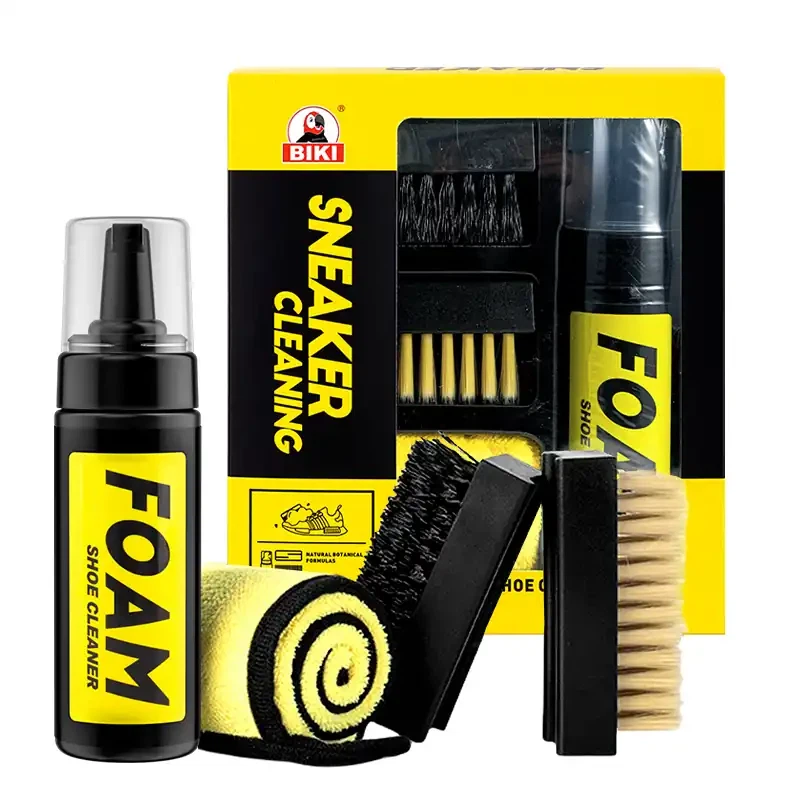
Now, let’s wrap up with the mistakes I see everyone making: rubbing too hard, using the wrong product, not blotting first, or rushing drying. Stick to the steps, and that tongue smudge will be gone in minutes. And if you’re someone who’s always getting polish on the tongue, trust me—we’ve all been there. I once got polish on my own white sneakers right before a wedding, and using the dish soap method got it out in 10 minutes. It works.
Creamy Shoe Polish References
- Shoe Care Institute. (2022). Best Practices for Removing Wax-Based Stains from Textiles and Leather.
- Cleaning Lab, Good Housekeeping. (2023). How to Remove Wax from Fabric and Leather Without Damaging Material.
- International Footwear Association. (2021. Guidelines for Maintenance and Stain Removal for Casual and Dress Shoe Components.
Zhongshan Biaoqi Houseware Co., Ltd.
Bringing you shoe polish, Zhongshan Biaoqi Houseware Co., Ltd. is one of the leading shoe care products manufacturers and suppliers in China. Also dealing with customized service, we warmly welcome you to buy or wholesale high quality shoe care products with innovative design from our factory.
Address: No. 38, Huazhong Road, Yongning, Xiaolan Town, Zhongshan, Guangdong, China 528415
E-mail: info@bikishoecare.com
WebSite: https://www.cnbiaoqi.com/
