If you’ve ever stood in the kitchen aisle of a big box store scrolling through plastic containers, utensils, and all the random plastic gadgets that claim to “make cooking easier,” you know the struggle of choosing the right plastic kitchen items. As a supplier in this space, I work with folks every week who end up buying something that cracks after a month, leaches weird stuff into their food, or just doesn’t fit their actual kitchen setup. It’s not as simple as grabbing the cheapest option or the cutest one with the fancy design—there are real, practical things to consider, and I’m going to break this down like I would with a friend who’s stressing over their kitchen restock. Plastic Kitchen Items
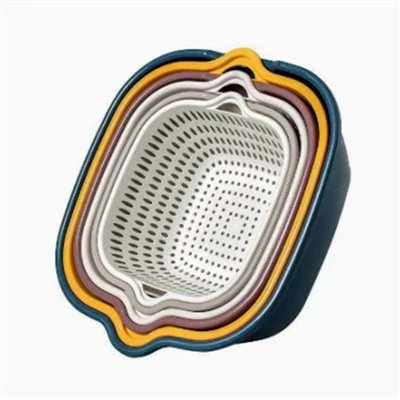
First off, let’s talk about what plastic kitchen stuff is actually made of. Not all plastic is created equal, and that’s a big mistake people make: they see the word “plastic” and group it all together, but different types have totally different uses. Let’s keep this simple, no confusing jargon. The most common plastics we use at our shop are PP (polypropylene), HDPE (high-density polyethylene), and sometimes Tritan. PP is the stuff that’s heat-resistant—good for microwave-safe containers, mixing bowls, and even spatulas that can handle touching hot pans. HDPE is sturdier, works great for food storage bins that go in the fridge, and it’s recyclable, which is a plus for people who care about that. Tritan is a newer, BPA-free plastic that’s clear, doesn’t get cloudy over time, and is perfect for things like water bottles or food prep containers where you want to see what’s inside.
The red flags to watch out for? Avoid plastic that says “not for food contact” on the label, obviously, but also skip any that looks cloudy, has a weird chemical smell when you first unbox it, or cracks easily when you bend it a little. A lot of cheap imports cut corners on material quality, so their plastic can leach chemicals when heated or get grimy in the dishwasher no matter how many times you clean it. I’ve had customers bring back spatulas that melted on a medium-heat pan, and that’s a clear sign it was made with the wrong plastic.
Next, think about how you actually use your kitchen. I see so many people buy a 20-piece set of food containers because it’s a good deal, only to end up with half of them being too big to fit in their fridge door. Or they buy a set of tiny prep bowls, but they always make big batches of pasta sauce and never use the small ones. Your kitchen habits should drive your choices, not whatever is trending on social media.
If you’re someone who cooks a lot and reheats leftovers in the microwave, prioritize containers that are explicitly labeled microwave-safe. Not all PP is microwave-safe—some manufacturers add fillers that make it warp at high heat, so double-check the fine print. For utensils, if you cook with non-stick pans, get spatulas and spoons made from PP or Tritan; they won’t scratch the non-stick coating, which is a huge win for extending the life of your pans. If you have a small kitchen, opt for nesting sets of storage containers that fit inside each other when not in use—no more wasted cabinet space.
Durability is another big one, and it’s not just about how long something lasts before it breaks. Plastic can get stained over time, especially if you use it for tomato-based sauces or coffee. Cheap plastic will absorb those colors, and no amount of scrubbing will get them out, which makes your kitchen look messy. At our shop, we test all our products by scrubbing them with harsh detergents and putting them through hundreds of dishwasher cycles to make sure they stay clear and stain-resistant. If you hate hand-washing, go for plastic that’s labeled dishwasher-safe—some types will warp if you put them in the dishwasher, so that’s another thing to check.
Eco-friendliness is a topic everyone’s talking about now, and rightfully so. But I want to be honest here: not all “eco-friendly” plastic is actually better. A lot of brands slap a “recyclable” label on cheap plastic, but most curbside recycling programs don’t accept certain types, so that label is just greenwashing. If sustainability matters to you, look for items made with recycled plastic (we have a line of food storage bins made from 100% post-consumer HDPE, and they’re just as sturdy as new plastic) or items that are designed to last longer—because the most eco-friendly product is the one you don’t throw away after a year. Avoid single-use plastic gadgets that you’ll only use once: those fancy egg separators or silicone mat replacements that end up in a junk drawer somewhere. Invest in a few good, multipurpose items instead.
Wait, let’s talk about the little things people overlook: grip and weight. A spatula that’s too heavy will tire out your wrist when you’re flipping pancakes for a crowd, and a storage container with a lid that’s hard to open is just annoying. We’ve redesigned our utensils to have soft, non-slip grips that fit comfortably in your hand, and our container lids have easy-to-open tabs so you don’t have to fight with them every time you’re grabbing leftovers. These small details might not seem like a big deal, but after using the same items every day, they make a huge difference in how much you like your kitchen tools.
Cost is always a factor, but here’s the thing: buying cheap plastic that breaks every few months is actually more expensive in the long run. A $2 spatula that lasts 3 months is $8 a year, while a $8 spatula that lasts 2 years is $4 a year. It’s a no-brainer. At our shop, we price our items fairly—we don’t charge crazy markups, but we also don’t sell garbage. We work directly with manufacturers to make sure the plastic is food-safe and durable, so you’re getting value for your money, not just a cheap price tag.
Let me also address a common myth: BPA-free is always better. BPA is a chemical that was used in some plastics in the past, and it can leach into food when heated. Now, most reputable brands use BPA-free plastics, but not all BPA-free plastics are the same. Some use other chemicals that haven’t been studied as much, so it’s still important to choose products from brands that test their materials for safety. We have all our plastic items tested by third-party labs to make sure they’re food-safe, no weird chemicals leaching into your meals.
So, how do you put all this together when you’re shopping? First, make a list of what you actually need, not what you want. Do you need 10 food storage containers, or just 5? Do you need new utensils because your current ones scratch your pans, or because you saw a cool set online? Then, check the material code—most plastics have a number on the bottom (PP is number 5, HDPE is number 2, Tritan is usually labeled separately) to make sure it’s a type that’s safe for your intended use. Read the labels: look for “microwave-safe,” “dishwasher-safe,” and “food-safe” not just “plastic.” And read reviews, but take them with a grain of salt—some reviews are fake, so look for ones that mention durability over a few months, not just how cute the item is.
If you’re a restaurant owner, a home cook who goes through a lot of tools, or someone who’s just outfitting a new kitchen, this all adds up. Choosing the right plastic kitchen items isn’t about picking the most expensive or the trendiest—it’s about picking stuff that fits how you cook, lasts, and doesn’t put your food or your family at risk. At the end of the day, kitchen tools should work for you, not the other way around.

If you’re looking to restock, bulk up on items that work for your specific needs, or just want to ask more about what makes our products different, feel free to get in touch with our team to talk through your requirements. We’re here to help you pick the right items, no sales pressure, just honest advice.
Plastic Household Items References
- U.S. Food and Drug Administration. (2023). Food Contact Materials: Plastics.
- Environmental Protection Agency. (2022). Plastics in Kitchenware: Durability and Recyclability.
- Journal of Food Protection. (2021). Migration of Chemicals from Food-Grade Plastics Under Different Use Conditions.
- International Organization for Standardization. (2020). Safety Standards for Plastic Kitchen Utensils and Storage Containers.
Yongkang Shunjiang Plastic Products Co., Ltd.
As one of the most professional plastic kitchen items manufacturers and suppliers in China, we offer a wide range of products with superior quality. Please feel free to wholesale bulk customized plastic kitchen items from our factory. Also, pricelist is available.
Address: Kangzhuang Road, Xicheng Subdistrict, Yongkang City, Zhejiang Province, China
E-mail: 15158911623@163.com
WebSite: https://www.shunjiangplas.com/
