As an aluminum tube supplier, I’ve spent years watching perfectly good products get damaged long before they reach their final destination—all because of a little, preventable flaw: dents. Dents might seem like a minor cosmetic issue at first, but for our customers—think automotive parts manufacturers, custom fabrication shops, and even food packaging brands—they can derail entire production runs, raise scrap rates, and add thousands in unplanned costs. I’ve had customers call me frantic, saying, “A single dent made this whole batch unusable” or “We had to rework 200 tubes because of a shipping mistake.” That’s why I want to share the science-backed steps we’ve developed over decades of working with aluminum, plus the lessons we’ve learned from hundreds of clients to help you keep your aluminum tubes dent-free, too. Aluminum Tube
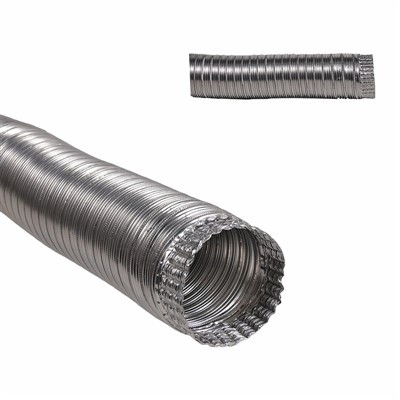
First, let’s get one thing clear: aluminum’s reputation for being lightweight and corrosion-resistant is exactly why it’s so popular, but those same properties make it far more prone to denting than steel. Aluminum has a lower yield strength—meaning it bends or deforms under less pressure—so even a minor impact that wouldn’t leave a mark on a steel tube can warp an aluminum one. That’s not a flaw in the material itself; it’s just a fact of its molecular makeup. When you press an object into aluminum, the metal’s crystalline structure shifts, and unless it’s a very specific, shallow mark, that shift is permanent. The good news is that denting is almost always preventable—you just need to apply the right steps at every stage, from production to storage to delivery.
Let’s start right where we, as a supplier, have the most control: our facility and the way we prepare tubes for shipment. Years ago, we used to stack aluminum tubes loosely on pallets, figuring the rigid aluminum would hold up. We quickly learned that was a mistake. When tubes lean against each other, even with a thin layer of plastic between them, the friction at the contact point creates a micro-indentation that can deepen during transit. That’s why we now use custom-fitted corrugated plastic dividers for all our standard-length tubes. These dividers cradle each tube individually, eliminating side-to-side movement and contact between tubes. We also don’t stack pallets higher than 1.2 meters (about 4 feet) for aluminum tubes over 3 meters (10 feet) long—too much weight at the top compresses the lower tubes, leading to “crush dents” along their length.
Another key step in our facility is using the right surface protection. A lot of suppliers rely on generic bubble wrap, but we’ve tested dozens of materials and found that low-density polyethylene (LDPE) foam sheeting with a 10mm thickness works best for most applications. Wait, let’s get specific: we don’t use stretch wrap directly on the tubes, because the stretch can pull the surface and create small marks. Instead, we wrap each pallet of tubes in a breathable, perforated LDPE film that keeps dust out but doesn’t trap moisture—critical for aluminum’s corrosion resistance, too. For custom-ordered tubes with tight tolerances (like those used in hydraulic systems), we add a thin polyester protective film that’s heat-sealed to the tube surface during manufacturing. This film creates a barrier between the aluminum and any sharp edges in storage or transit, and it peels off easily when the customer is ready to use the tube, leaving no residue.
But denting doesn’t start at shipment. It starts right after the tube is extruded. When aluminum is still warm after manufacturing, it’s more malleable—even a gentle tap with a metal tool can leave a dent that will set once the tube cools. We’ve trained all our production staff to use non-marring tools, like rubber mallets and plastic-tipped clamps, when moving or adjusting tubes on the production floor. We also have dedicated “clean areas” for finished tubes, where no metal equipment is allowed. A few years ago, a new employee used a metal cart to move a batch of finished tubes, and the cart’s wheels dragged across the tube ends, leaving four 2mm dents in each tube. That incident cost us $1,200 in scrap and delayed a customer’s order for a week. It’s a small mistake with a big consequence, which is why we drill that rule into every new hire.
Now, moving to your end: storage and handling. Even if you get tubes in perfect condition, improper storage can turn a good tube into a dented one in days. The biggest mistake I see customers make is storing aluminum tubes on concrete floors. Concrete isn’t perfectly flat—there are tiny pits and uneven spots, and when a tube sits on concrete for a long time, it can settle into those pits, creating a permanent dent, especially if the storage area is humid or the concrete is damp. Instead, we recommend storing tubes on elevated, wooden racks with U-shaped cradles. These cradles are simple—just cut half-circles into 2×4 boards to fit the tube diameter—but they keep the tube suspended, so it doesn’t make contact with any flat surface for long periods. For long-term storage (more than 30 days), we suggest covering the racks with a breathable tarp to keep dust and debris off the tubes, but avoid plastic tarps, which trap moisture and can cause corrosion (another issue that damages aluminum, though not exactly a dent).
Handling during warehouse moves is another common dent culprit. A lot of warehouses use forklifts with metal forks, and if a fork hits a tube, it’s a direct hit that almost always leaves a dent. We advise our customers to use fork sleeves—plastic or rubber covers that go over the forklift forks—to cushion any accidental contact. We also tell them to use tube dollies for moving small batches of tubes. These dollies have soft, rubberized rollers that cradle the tubes, so you don’t have to lift them or drag them across the warehouse floor. One of our automotive clients, which used to lose 8% of its tubes to denting annually, switched to tube dollies and fork sleeves, and that number dropped to 1% within six months. That’s the kind of result we love to hear about.
What about custom tubes, like those with thin walls (less than 1.5mm)? Thin-wall aluminum is extra prone to denting because it’s so flexible. For these, we add internal support during storage and transit. We use lightweight, collapsible foam inserts that fit inside the tube’s diameter, keeping the walls from collapsing under pressure. The foam is easy to remove when the tube is delivered, and it doesn’t leave any residue. For a client that makes medical equipment, which requires ultra-smooth, dent-free tubes, we even developed custom foam inserts sized to their exact tube dimensions—so each tube is supported along its entire length, eliminating any chance of internal crushing dents.
Let’s talk about a less obvious cause: temperature changes. Aluminum expands and contracts with temperature shifts, and if a tube is stored in a cold warehouse and then moved to a hot loading dock, it can expand just enough to rub against other tubes or the storage rack, creating a friction dent. We recommend acclimating tubes to the environment they’ll be used in for at least 24 hours before handling them. That’s a small step, but it prevents the thermal movement that leads to many hidden dents.
I also want to address a myth I hear all the time: “If the dent is small, it doesn’t matter.” That’s not true for most industrial applications. For example, a dent as small as 1mm in a hydraulic tube can disrupt the flow of fluid, leading to reduced performance or even a leak. In food packaging, a dent can create a crevice where bacteria can grow, violating food safety standards. In aerospace components, even a tiny dent can weaken the metal’s structure, leading to failure under pressure. So even minor dents aren’t just cosmetic—they can impact function, compliance, and safety. That’s why investing in dent prevention isn’t just about saving money on scrap; it’s about protecting your products and your brand.
Now, let’s talk about common mistakes we see customers make when they’re dealing with dents after the fact. A lot of people try to hammer out dents, but that almost always makes it worse—aluminum is soft, and hammering can cause the dent to spread or create cracks, especially in thin walls. Another mistake is using heat to reshape the dent. While heat can soften aluminum, it also can change its molecular structure, reducing its strength or creating discoloration that’s hard to fix. For most industrial applications, the only reliable fix for a dent is to replace the tube, which is why prevention is so much more cost-effective.
As a supplier, we don’t just sell you aluminum tubes—we provide support to help you prevent dents. We work with every customer to recommend the right packaging, storage, and handling solutions based on their specific tube size, wall thickness, and end use. For example, if you’re ordering tubes for outdoor furniture, we’ll suggest a different protective film than if you’re ordering for a precision medical device. We also offer on-site training for warehouse teams, teaching them the best ways to move, store, and handle aluminum tubes to avoid dents.

At the end of the day, preventing aluminum tube denting is about consistency and attention to detail. It’s not just one big step; it’s a series of small choices—using the right dividers, storing on elevated racks, using non-marring tools—that add up to a dent-free product. If you’re tired of dealing with dented tubes, whether it’s from shipping, storage, or handling, I’m here to help. We can walk you through our packaging process, recommend storage solutions, and answer any questions you have about keeping your aluminum tubes in perfect shape. Don’t let preventable dents derail your projects—reach out to our team today to discuss your needs and find the right solutions for your business.
Aluminum Tube References
- Davis, J.R. (1993). Aluminum and Aluminum Alloys. ASM International.
- National Institute of Packaging, Handling, and Logistics Management (NIPHLM). (2021). "Packaging Best Practices for Lightweight Metal Products."
- Aluminum Association. (2019). "Guidelines for Handling and Storage of Aluminum Industrial Tubes."
- ASTM International. (2020). Standard Practice for Packaging of Aluminum Products for Shipment.
Dongyang Hstube Co., Ltd.
As one of the leading aluminum tube manufacturers and suppliers in China, we warmly welcome you to wholesale cheap aluminum tube for sale here from our factory. If you have any enquiry about free sample, please feel free to email us. Quality products and reasonable price are available.
Address: NO.5 CHENGDONG ECOLOGICAL INDUSTRIAL ZONE, DONGYANG, ZHEJIANG, CHINA.
E-mail: sales@hstube.com
WebSite: https://www.ductword.com/
