Hey everyone, welcome to my little corner where I break down the stuff that actually matters for electrical projects—no jargon, no stuffy textbooks, just real talk from someone who’s been selling profiled copper busbars for over a decade. If you’re here scrolling because you’re stuck choosing between copper and aluminum busbars, you’ve come to the right spot. I’ve heard every question in the book: “Which is lighter?” “Which saves money long-term?” “Will this hold up in a 10-year install?” Let’s cut to the chase, no corporate fluff, just what you need to know before you pull the trigger. Profiled Copper Busbars
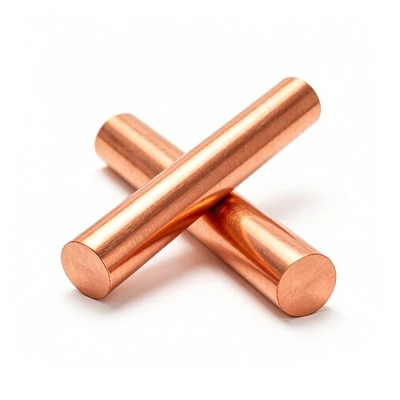
First, let’s get on the same page: profiled copper busbars aren’t just plain old copper strips. These are custom-shaped, extruded, or machined to fit specific enclosures, breakers, or bus duct systems—rounded edges to prevent arcing, notches for mounting, even cross-sections tailored to carry exact current loads. I started my career back when everyone thought copper was the only way, and aluminum was just a cheap workaround. But over the years, I’ve watched aluminum gain traction, and let me tell you, it’s not all good—nor is copper the be-all-end-all. Performance isn’t one-size-fits-all here; it depends on your project, your environment, and what you care about most.
Let’s start with the big one: conductivity. This is the foundation of busbars, right? If your busbar can’t carry enough current without wasting power, you’re throwing money down the drain. Copper’s conductivity is around 58 MS/m (that’s megaSiemens per meter, for the nerds), while aluminum clocks in at about 37 MS/m. Wait, so does that mean aluminum is worse? Well, not always. Let’s do a quick math check: to get the same current capacity as a 10mm² copper busbar, you need around 16mm² of aluminum. That’s because the smaller cross-section can’t handle as much heat—resistance goes up with smaller conductors, so you need more metal to keep that heat down. For low-voltage applications, that extra aluminum size might not be a big deal. But high-voltage stuff—like industrial motor controls, data centers, or large commercial buildings—where space is tight? Profiled copper’s better here. You don’t have to carve out extra inches in your panel to fit a bigger aluminum bar, which saves on enclosure costs and installation time. I’ve had clients come back saying they switched from aluminum to our profiled copper busbars and shaved 10% off their enclosure footprint—small win, but adds up when you’re dealing with a 500A system.
Next up, heat and temperature performance. Busbars generate heat when electricity flows through them, right? Too much heat, and you’re looking at insulation breakdown, shortened component life, even fire risks. Copper has a lower temperature coefficient of resistance, meaning its resistance doesn’t jump as much when it gets hot. Let’s say both bars run at 75°C (that’s the standard for most electrical code). Copper’s resistance is only about 8% higher than at 20°C, while aluminum’s jumps a whopping 16%. So over time, aluminum runs hotter for the same current load. That means in a busy server room, where your busbars are crammed next to other equipment, copper will stay cooler, less strain on your breakers and wiring. Wait, but what about corrosion? I get this question all the time. Aluminum oxidizes way faster than copper, right? That oxide layer is insulating—so if your aluminum busbar gets dirty, or is installed in a damp environment (like a basement utility closet), that oxide buildup can increase resistance even more, leading to more heat. Our profiled copper busbars usually come with a tin-plated coating, which stops corrosion dead—no need to worry about a shiny bar turning green after a year. Aluminum can be coated too, but let’s be real, the coating can scratch off during installation, and once that happens, corrosion starts in seconds.
Weight is another big one, especially for overhead bus duct systems or mobile applications like RVs or trailer-mounted equipment. Aluminum is about 30% lighter than copper, same cross-section. So if you’re building a rooftop solar array where every pound counts, or a portable power station, aluminum might seem like the easy pick. But wait, don’t forget that bigger cross-section I mentioned earlier. If you need 16mm² of aluminum to match 10mm² of copper, that extra metal almost cancels out the weight difference. For a 100A busbar, copper is ~0.89kg per meter, aluminum is ~0.45kg per meter—but wait, the aluminum needs to be 1.6x thicker, so that jumps to ~0.72kg per meter. Only a tiny weight savings, but if you’re lifting 10+ meters, that adds up. But for smaller projects, like a home subpanel, aluminum’s weight might not matter at all. Where weight does matter a lot is in retrofits—if you’re replacing an old bus duct system that’s already hanging from the ceiling, switching to lighter aluminum means less stress on the mounting hardware, which is a big safety plus.
Now, let’s talk cost—because let’s be honest, no one can ignore the price tag. Aluminum is way cheaper per pound than copper, right? Like, right now copper is around $4.50 per pound, aluminum is around $1.10. So raw material cost is a no-brainer for aluminum—until you factor in installation and long-term maintenance. Installing aluminum busbars requires different tools, right? You can’t tighten aluminum bolts as much as copper ones, because it’s softer and can crack. I’ve seen installers strip threads on aluminum busbars because they over-torqued them, leading to bad connections and extra callbacks. With profiled copper busbars, you can use standard torque specs, same as most equipment, so installation is faster, less room for error. Also, energy waste: since aluminum runs hotter, you’re paying more in electricity bills every month for that lost heat. For a 500A system, that extra heat from aluminum is like wasting a few hundred dollars a year. Over 10 years, that’s $2k-$3k you could’ve saved with copper. For small projects, like a small workshop, that might not add up, but for large industrial setups, it’s a game-changer.
Wait, let’s not forget about mechanical strength. Copper is way more durable than aluminum—it’s harder, doesn’t bend or dent as easily during installation. I’ve had a client tell me their aluminum busbars got dented during transport, and even a tiny dent increased resistance by 15%, so they had to replace the whole run. Profiled copper busbars, with their custom shapes and thicker material (when needed), can handle rough handling, vibrations, even minor impacts. That’s huge for outdoor applications, like streetlight poles or utility substations, where the busbars get jostled around during installation and then face wind and vibration for years. Aluminum’s softness also means it’s more prone to loose connections over time—vibration can loosen bolts, and since aluminum creeps (slowly deforms under pressure), the connection gets worse, leading to more heat and potential failures.
Now, when should you pick which? Let’s break it down. If you’re a data center, a large commercial building, an industrial motor control system, or any project where current load is high, space is tight, and reliability is non-negotiable—profiled copper busbars are the way to go. I’ve worked with 10+ data centers in the past 5 years, and every single one switched to our profiled copper bars because they couldn’t afford downtime. One client told me a 2-hour outage cost them $200k, so even a tiny risk of failure from aluminum wasn’t worth it. But if you’re a hobbyist building a small solar setup, a small workshop subpanel, or a portable power unit where weight is critical and current load is low—aluminum can work, just make sure you get the right cross-section, and follow all the code specs for installation.
Wait, but let’s address a common myth: “Aluminum is always cheaper.” Yeah, raw material is, but total cost of ownership is what matters. I had a client a couple years back who went with aluminum for a 300A bus duct system to save $2k upfront. A year later, they had a loose connection, the bar heated up, and burned out the insulation, leading to a 12-hour outage. The repair cost? $15k, plus lost revenue from their factory being down. That’s a lesson no one forgets. Our profiled copper busbars might cost $1k-$2k more upfront, but the lifespan is 20-30 years, vs aluminum’s 10-15 years, and way fewer maintenance issues.
Another thing: code compliance. Most modern electrical codes (like NEC in the US, IEC internationally) have specific rules for aluminum busbars, especially for areas over 100A. You have to use special anti-oxidant compounds, specific torque specs, and even separate hardware. Copper, especially profiled copper, is more flexible when it comes to code, because it’s a proven material. For anyone not a licensed electrician, that’s a big plus—less chance of messing up a code requirement that could get your project rejected.
Now, let’s clear up another point: profiled copper vs plain copper. I get calls all the time from people who say, “Why not just use a plain copper strip, it’s cheaper?” Well, profiled copper busbars are custom-machined to fit your exact setup. No cutting, bending, or drilling on site, which saves hours of installation time. For a big project, that’s thousands of dollars in labor costs. Also, the rounded edges on profiled bars prevent arcing, which is a big safety risk in high-voltage systems. Plain strips have sharp edges that can cause electrical arcing when current is high, leading to component damage.
Wait, but I don’t want to paint aluminum as bad. It has its place. If you’re working on a low-current, low-load application, where weight is a factor, and you follow all the installation rules, it can work. For example, a small RV conversion, where you’re running 50A for your fridge and lights, aluminum is fine. Just don’t use it for a 400A inverter setup for a off-grid home—trust me, I’ve seen that go wrong too many times.
Let me wrap this up: the performance difference between profiled copper and aluminum busbars comes down to what you prioritize. If reliability, space savings, lower long-term costs, and durability are your top picks, profiled copper is the clear winner. If you need to cut initial cost and weight, and your project is low-load, aluminum can work—just do your homework.
If you’re stuck on what to use for your project, don’t hesitate to reach out. I’ve helped hundreds of clients pick the right busbars, answer all their weird questions, even help with custom profiled designs for weird enclosures. No sales pitch, just real advice from someone who’s in the business every day. Don’t overcomplicate it—focus on your current load, your installation space, and how much downtime you can afford. That’s the foundation of choosing the right busbar.
Profiled Copper Busbars Reference:
- National Electrical Manufacturers Association (NEMA) Standard PB-2, 2020.
- International Electrotechnical Commission (IEC) 60287-1-1, 2019.
- Copper Development Association (CDA), “Conductor Performance Comparison: Copper vs Aluminum Busbars,” 2022.
- Aluminum Association, “Busbar Application Guidelines for Low-Voltage Systems,” 2021.
Zhejiang Jintai Copper Industry Co., Ltd.
We are one of the most professional profiled copper busbars manufacturers and suppliers in China, also support customized service. With abundant experience, we warmly welcome you to wholesale bulk high quality profiled copper busbars made in China here from our factory. For quotation, contact us now.
Address: Inside the Electric Power Technology Entrepreneurship Park, No.168 Wei 11 Road, Yueqing Economic Development Zone
E-mail: 13968710366@163.com
WebSite: https://www.jintaicopper.com/
