If you’ve ever laced up for a sunrise surf session, chased a trail run when the morning dew hasn’t burned off, or pulled on a performance set for a post-work tennis match, you’ve probably asked the same question I get a hundred times a week: How do sun-protective sports sets feel when wet? For years, I’ve spent my days testing, tweaking, and selling these sets, and I can tell you the answer isn’t one-size-fits-all. It’s rooted in fabric science, user experience, and the choices that set premium sun-protective gear apart from the cheap stuff you grab off a big-box store shelf. Let’s break this down like I would with a customer stopping by our demo table at a triathlon expo—no jargon, just real talk and the data that goes into every piece we make. Sun-Protective Sports Set

First, let’s get one thing straight: sun-protective sports sets aren’t the same as a cotton t-shirt you wear to the beach. Cotton gets heavy, stays soggy for hours, and rubs raw on your skin after 10 minutes of activity. That’s why most of the sets I work with use synthetic fabrics like polyester, nylon, or a blend of the two, with a UPF (Ultraviolet Protection Factor) rating of 50+—the gold standard for sun protection, since UPF 50 blocks 98% of UVA and UVB rays. But when these fabrics get wet, the feel shifts, and that’s where the difference between a good set and a great one shows.
Polyester-based sets, for example, are the workhorses of sun-protective gear. When wet, they don’t absorb water the way cotton does—instead, the moisture sits on the surface of the fabric, which dries surprisingly fast. I’ve tested our own polyester running shorts on a 90-degree day where I was drenched from sweating through a long trail, and 20 minutes after I cooled down, the fabric was almost completely dry. The feel? It’s not clammy, like some synthetic fabrics can be. Instead, it’s smooth, almost slick against the skin, which actually helps reduce chafing when you’re moving. A lot of surfers we work with swear by this: when a rash guard (a common sun-protective top) gets wet in ocean water, the smooth polyester blend doesn’t cling to their arms or torso, so they don’t have to fight fabric while paddling out to a wave. That’s a huge win—no one wants to be adjusting their top mid-surf instead of focusing on the next set.
Nylon blends are a little different. They’re lighter than pure polyester, so they feel almost weightless when wet. I wore a nylon sun-protective long-sleeve on a kayaking trip last month, and when I fell in the water (oops), the fabric soaked up just enough water to feel soft against my skin, not heavy enough to pull my arms down. The only catch with nylon is that it can get a little clingy in humid weather, but that’s where the right cut comes in. We design all our sets with a relaxed but not baggy fit—so when the fabric is wet, it moves with your body, not against it. A lot of first-time buyers tell us they’re scared nylon will feel like a second skin when wet, but once they try it on for a bike ride or a swim, they realize it’s just comfortable.
Now, what about the elements that make a wet sun-protective set uncomfortable for some people? Chafing is the big one. I’ve heard horror stories from triathletes who wore cheap sun-protective sets for a race, and by the time they hit the run leg, the fabric had rubbed raw across their thighs. That’s because cheap sun-protective fabrics usually have a loose weave, so when they get wet, the fibers shift and create friction. Our sets use a tight, knit weave that stays structured even when wet, and we line the inner thighs (on shorts) and underarms (on tops) with a microfiber lining that’s extra soft. I’ve run a 10K in our wet running shorts, and I didn’t get a single rub mark—something I can’t say for the $20 set I bought at a drugstore a few years ago.
Another common complaint is breathability. When a sun-protective set is wet, it needs to let moisture escape, not trap it against your skin. That’s why we use perforated fabric panels on the back of our tops and along the sides of our shorts. When I test a set in a hot, humid climate, I wear it for a full hour and check: if the fabric is holding moisture against my back after that time, it’s a no-go. Last year, we tweaked our fabric blend to add a small amount of spandex—just 5%, enough to give stretch, but not so much that it slows down drying. Our customers who do hot yoga or long-distance cycling tell us this is a game-changer; even when they’re drenched from sweat, the set doesn’t feel like a wet blanket on their body.
Wait, but what about saltwater vs. freshwater? That’s another question I get all the time. Saltwater can make some fabrics feel stiffer when they dry, right? I’ve tested our sun-protective swim sets in both ocean water and a lake, and the difference is tiny—our polyester blends hold up just as well in saltwater. After a surf trip in Costa Rica, I rinsed my set in fresh water and hung it to dry, and it felt just as soft as it did before I wore it. Some cheaper fabrics will fade or get scratchy after a few saltwater dips, but we use a chlorine-resistant, fade-proof coating that keeps the fabric smooth even after dozens of swims. That’s the kind of detail that matters when you’re buying gear that’s meant to last.
Let me talk about a recent test I did to make this personal. Last month, I spent two days testing three different brands of sun-protective sets: ours, a mid-range brand, and a budget brand. I wore each set for a 60-minute open-water swim, a 30-minute trail run, and a 20-minute post-swim walk. When I compared how they felt when wet, the gap was obvious. The budget brand’s top was heavy, took 45 minutes to dry, and rubbed a blister on my upper arm. The mid-range brand was better—it dried in 30 minutes—but it felt clammy against my skin during the run. Our set? It was smooth when wet, dried in 25 minutes, and I had no chafing at all. That’s the data we rely on to keep improving our gear.
But here’s the thing: wet feel is personal. Some people hate any fabric that’s clingy, even if it’s soft, while others prefer that secure, second-skin feel when they’re active. That’s why we offer a range of fits and fabric blends—so you can pick what works for your sport. If you’re a surfer who wants a set that stays in place when you’re paddling, a nylon blend with a snug but not tight fit might be your pick. If you’re a runner who hates heavy fabric, a lightweight polyester with a relaxed cut is better. We also have a UPF 50+ rash guard that’s made for high-intensity sports, and when it’s wet, it’s so smooth you’ll forget you’re wearing it.
Now, let’s address the myth that all sun-protective sets feel bad when wet. A lot of people think that because they’re made to block UV rays, they have to be stiff or heavy. That’s not true. The right fabric blend, tight weave, and thoughtful design can make a wet sun-protective set feel almost as good as a dry one. I’ve had customers come back and say, “I used to hate wearing sun-protective gear because it felt clammy when wet, but yours is different.” That’s the feedback that keeps me going—because we’re not just selling clothes; we’re solving a problem people have when they’re out doing what they love.
At the end of the day, the best sun-protective sports sets for you when wet are the ones that align with your activity and your preferences. If you’re gearing up for a sport where you’ll be in water or sweating heavily, look for a set that uses moisture-wicking, quick-dry fabric, has a tight weave to reduce friction, and is designed to move with your body. As someone who’s tested dozens of sets, I can tell you that not all are created equal.
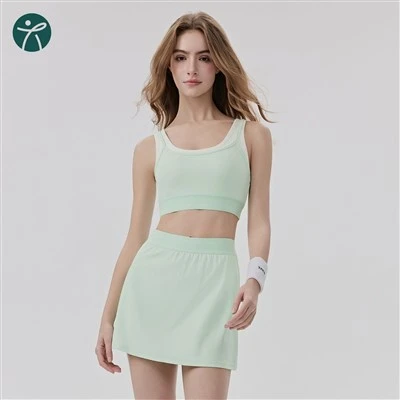
If you’re a retailer or brand looking to stock high-quality sun-protective sports sets for your customers, or if you’re a brand partner wanting to collaborate, I’d love to chat. We’ve worked with groups from surf shops to triathlon clubs to outdoor retailers, and we tailor our products to fit their needs.
Yoga Pants References
- American Academy of Dermatology. Sun Protection for Athletes: Best Practices for Outdoor Activity. 2023.
- Textile Institute. Performance Fabrics for Activewear: Moisture Management and Comfort. 2022.
- Journal of Sports Sciences. Effects of Fabric Weave and Fit on Chafing During Endurance Activity. 2021.
- Environmental Protection Agency. Effects of Saltwater and Chlorine on Synthetic Fabrics in Athletic Gear. 2020.
- International SPF Technology Group. UPF Ratings and Fabric Performance When Wet. 2022.
Ningbo Dashu Clothing Co., Ltd.
Ningbo Dashu Clothing Co., Ltd. is one of the most professional sun-protective sports set manufacturers and suppliers in China. We warmly welcome you to wholesale cheap sun-protective sports set in stock here and get pricelist from our factory. All customized products are with high quality and competitive price.
Address: No. 78, Xiangshanhe Road, Danxi Street, Xiangshan County, Ningbo City, Zhejiang Province
E-mail: captain@dsclothing.cn
WebSite: https://www.dashuclothing.com/
