If you’re running a mill operation—whether it’s a flour mill, paper mill, or a mineral processing mill—you know that downtime isn’t just an inconvenience. It costs you money, delays orders, and can leave your team scrambling to put out fires before they even start. As someone who’s spent 12 years supplying mill auxiliary parts to operations across North America, I’ve seen first-hand how a vague or non-existent maintenance schedule for those parts can turn a minor issue into a full production shutdown. A few years back, I worked with a small corn mill in Iowa that skipped a routine check on their feeder auger bearings—cost them $180,000 in lost production over three days when the bearing seized and the auger snapped. That’s the kind of hit you can avoid with a solid, science-backed maintenance plan for your auxiliary parts. Mill and Mill Auxiliary Parts

First, let’s clarify what “mill auxiliary parts” actually means here. These are the unsung heroes of your mill: the parts that don’t drive the main grinding or processing function, but keep every other part working in sync. Think feeder augers, belt scrapers, sensor probes, hydraulic fittings, screen tensioners, and dust collector filters. Unlike your main mill rolls or grinders, auxiliary parts are often smaller, lower-cost individually, but they add up to 30% of mill maintenance costs, according to data from the American Society of Mechanical Engineers (ASME) Process Industries Division. The mistake a lot of mill managers make is treating these parts like “set it and forget it”—but their failure rate is 2.5 times higher than core mill components because they’re exposed to more variable conditions: dust, moisture, temperature swings, and consistent friction.
So, what does a scientific maintenance schedule for these parts look like? It’s not a one-size-fits-all checklist, but a framework tailored to how your specific mill operates. Let’s break it down by frequency, part type, and the real-world context that matters for your facility.
Daily Maintenance (Before or After Every Shift)
This is the frontline defense. Most mill operators do a walkaround at the start or end of their shift, but I’ve seen that too many of these walkarounds are just checking if a part is there, not how it’s performing. For daily checks, focus on parts that show immediate signs of failure and can cause a shutdown within hours if ignored.
Start with feeder augers: Listen for unusual grinding or rattling when the auger is running. I tell my clients to note if the feed rate drops unexpectedly—this is a early sign of a worn flight or a loose bearing. For belt scrapers (which keep conveyor belts free of debris), look for frayed edges or gaps larger than ¼ inch. A worn scraper can leave material buildup on belts that leads to misalignment, which tears belts over time. Sensor probes (used to monitor grain moisture, temperature, or material flow) need a quick visual check for dust caked on the tip—even a thin layer of flour or mineral dust can throw off readings, leading to over-grinding or under-processing that wastes raw material.
I also recommend checking hydraulic fittings and valves daily, especially if your mill uses them to adjust screen tension or feeder speed. Look for small leaks—even a slow drip on a hydraulic line can lead to pressure drops that make feed rates inconsistent, or worse, cause a fitting to blow mid-shift. The Iowa corn mill I mentioned earlier? Their daily walkaround only checked the auger bearings once a week, so they missed the small drip of grease that signaled the bearing was failing. Daily checks would have caught that 48 hours before the seize.
Weekly Maintenance
Weekly checks dive deeper into parts that need more than a glance, but don’t require taking the mill offline for long. This is where you’ll stop “reacting” and start “preventing” minor wear before it becomes major.
For screen tensioners (critical for separating material in flour mills or mineral processing), adjust tension and inspect for worn bolts or springs. Over-tensioning a screen breaks wires, while under-tensioning reduces separation efficiency. I recommend testing tension with a spring scale: most screens need 15 to 20 pounds of tension per linear inch, depending on the screen type.
Dust collector filters are another weekly must. Clogged filters reduce airflow, which forces your mill to work harder to pull dust out—wasting energy and increasing the risk of overheating. To check, hold a flashlight up to the filter: if light doesn’t pass through evenly, it’s time to clean or replace. For mills in high-humidity areas (like coastal grain processing), filters can trap moisture and develop mold, which is a food safety hazard for flour mills. Last year, a paper mill in Ohio avoided a $50,000 cleanup after their weekly filter check caught mold growth before it spread to the paper pulp.
You’ll also want to lubricate auger bearings and conveyor roller shafts weekly, even if the daily check looked fine. Different parts need different lubricants: high-temperature grease for parts near the mill’s heat source (like near a drying oven), and moisture-resistant grease for parts in wet environments. Don’t over-lubricate, though—too much grease can trap dust and cause friction, which wears parts faster. I tell my clients to follow the “one pump per bearing” rule for smaller auxiliary parts, and check the manufacturer’s label for larger components I supply.
Monthly Maintenance
Monthly checks are for parts that are critical but don’t fail quickly—ignoring them, though, leads to expensive mid-month shutdowns. This is where you’ll do partial disassembly to inspect parts that are hidden during daily and weekly checks.
First, inspect conveyor belts for internal wear by running your hand along the underside (once the belt is stopped and locked out, of course). Look for frayed cords, cuts, or uneven wear—these are signs that belt scrapers are misaligned or that the belt is riding on a worn roller. Replace or adjust worn scrapers at this point, not when the belt tears. For sensor probes, remove them and gently clean the tip with a soft brush (no wire brushes—they can scratch the sensitive sensor surface) to remove built-up residue that daily checks can’t catch. I supply high-quality stainless steel probes that are more resistant to scratching, but they still need monthly cleaning to stay accurate.
You should also test emergency stop (E-stop) buttons on auxiliary equipment monthly. It’s easy to assume E-stops work, but dust can get into the mechanism and make them unresponsive when you need them most. Last year, a lumber mill in Canada had a small fire start near a dust collector—their E-stop for the collector was clogged with sawdust, so operators couldn’t shut it down quickly. The fire caused $120,000 in damage, and that was all avoidable with a monthly E-stop test.
For hydraulic hoses, monthly checks mean bending them slightly to look for cracks or bulges. Even if there’s no leak on the surface, internal cracks can lead to a blowout under pressure. I always recommend replacing hydraulic hoses every 18 to 24 months, even if they look fine—their rubber breaks down over time from heat and constant pressure, which is accelerated if they’re near other hot parts of the mill.
Quarterly and Semi-Annual Maintenance
These longer intervals are for parts that have a longer lifespan, but their failure can cause the most downtime. Quarterly checks focus on calibration and deep cleaning, while semi-annual checks are full disassembly and part replacement.
Quarterly: Calibrate all your mill’s auxiliary sensors—moisture, temperature, flow. Even the best sensors drift over time, and a 2% error in moisture readings can cost you 5-10% of your raw material, per grain processing industry data. For screen media, replace worn sections (not the entire screen) if damage is isolated, and inspect the frame for bends. A bent screen frame makes the entire screen work unevenly, leading to inconsistent product quality and faster screen wear.
Semi-annually: Do a full inspection of feeder augers, including removing sections to check the flighting (the spiral part that moves material). Worn flighting can be welded or replaced, but waiting too long means the auger will snap. For dust collector systems, do a deep clean of the ducts to remove built-up dust, which is a fire hazard and reduces airflow. Semi-annually, also replace parts like belt pulleys that show minor wear—even a slightly worn pulley can cause belt slippage, which leads to production delays and uneven product.
Key Tips for Making This Schedule Work
I’ve seen plenty of mills have a written schedule, but it sits in a file on a shelf. The schedule only works if two things happen: you assign a specific person to own each task, and you track the data from each check. For example, if you notice that a certain feeder auger bearing needs grease every 5 days instead of 7, you can adjust the schedule based on that mill’s specific conditions, instead of following a generic timeline.
Also, don’t wait for a part to fail to replace it. When I supply auxiliary parts to my clients, I always recommend keeping a small stock of high-wear parts: belt scrapers, auger bearings, sensor probes, and hydraulic fittings. A $50 scraper that’s on hand means you can replace it in 10 minutes, instead of waiting 2 days for delivery and losing thousands in downtime.
At the end of the day, the maintenance schedule for mill auxiliary parts is less about checking boxes and more about understanding how each part interacts with your specific mill. Every mill is different—flour mills have different dust and moisture levels than paper mills or mineral processing mills—so your schedule should reflect that.
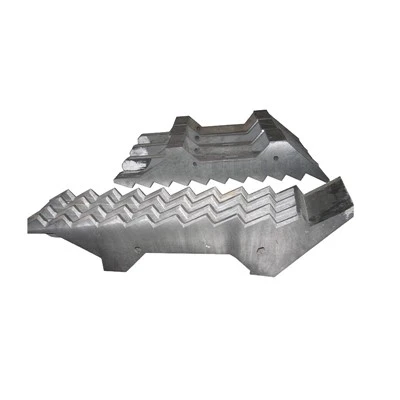
If you’re tired of unexpected shutdowns, overspending on emergency part replacements, or wasting raw material because of worn auxiliary parts, reach out to our team to talk through a maintenance plan tailored to your facility. We don’t just supply parts—we’ve spent years working with mill operators to build schedules that actually work, not just look good on paper.
References
Stainless Steel Equipment American Society of Mechanical Engineers. Process Industries Auxiliary Equipment Reliability Report. 2022.
Grain Processing Association. Maintenance Best Practices for Small to Medium Mills. 2021.
Paper Mill Technical Council. Auxiliary Component Failure and Downtime Analysis. 2020.
Jingjiang Jingyi Metallurgical Technology Co., Ltd.
With abundant experience, we are one of the most reliable mill and mill auxiliary parts manufacturers and suppliers in China. We warmly welcome you to wholesale customized mill and mill auxiliary parts made in China here from our factory. If you have any enquiry about quotation, please feel free to email us.
Address: No.5 Jianghe Road, Xinqiao Town, Jingjiang City, Jiangsu Province
E-mail: Lcbin1974@163.com
WebSite: https://www.jymetallurgical.com/
