If you work in manufacturing, fabrication, or metalworking, your machine tool accessories aren’t just secondary parts—they’re the unsung heroes keeping your lathes, mills, grinders, and CNC routers running smoothly. As someone who’s spent 12 years as a machine tool accessories supplier, I’ve seen first-hand what happens when teams skip proper cleaning: a dulled collet leads to misaligned parts, a caked V-groove jaw chuck causes workpieces to slip, and a pitted tap holder can ruin a perfectly machined component. Machine Tool Accessories
Cleaning these parts isn’t just about wiping off metal shavings. It’s a science—one that balances material safety, abrasive removal, and long-term part integrity. Over the years, I’ve walked dozens of our customer teams through the right way to clean accessories, tailored to every type of part we supply, from collets and chucks to tool holders and workholding plates. Let’s break this down step by step, no fluff, just practical, actionable advice.
First, let’s start with the basics: why regular cleaning matters for your accessories. A 2022 industry survey from the Precision Machining Association found that 38% of unplanned machine downtime is caused by poorly maintained accessories, with 62% of those cases traceable to neglected grime. Metal shavings (called swarf), cutting fluid residue, and metal dust don’t just build up—they grind between moving parts, causing premature wear. For example, a 5C collet that’s not cleaned properly will lose its clamping force over time, leading to part rejection. Even more critical: corrosive residues from cutting fluids or coolant can etch soft metals like aluminum or brass, or cause rust on steel accessories, turning a $15 collet into something that needs replacement months early.
Before you pick up a rag or a wire brush, you need to separate accessories by material and type—one size doesn’t fit all. A stainless steel jaw chuck, for instance, can handle harsher cleaners that a delicate ceramic tap holder can’t. Let’s categorize the most common accessories we supply, and their specific cleaning needs:
- Collets and Collet Chucks: These are precision-machined, often made of heat-treated steel or stainless steel, with tiny internal grooves. They hold workpieces tight, so even a speck of swarf throws off alignment.
- Jaw Chucks and Workholding Jaws: Usually steel or cast iron, with large open grooves for swarf buildup. They’re designed for heavy work, but that means they trap a lot of debris.
- Tool Holders (CAT, BT, HSK): These attach cutting tools to your CNC machine, with tapers that need perfect smoothness to avoid runout.
- Vise Jaws and Work Plates: Often coated or made of aluminum, prone to scratching and chemical damage.
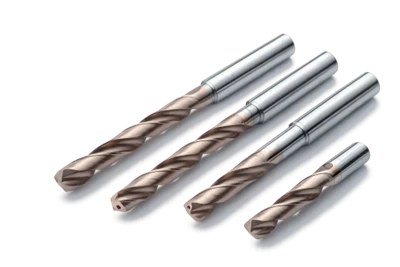
- Cutting Tools (Taps, Dies, End Mills): Though technically tools, they’re often lumped with accessories; their flutes trap swarf and cutting oil.
Now, the step-by-step cleaning process. I always tell customers to follow a 4-step routine: pre-cleaning, deep cleaning, inspection, and drying. Skipping any step is where mistakes happen.
Pre-Cleaning: Remove Loose Debris First
This is the part most people rush, but it’s the foundation of good cleaning. Loose swarf, metal dust, and old cutting fluid can be scraped off easily, and if you skip this, you’ll grind it into the part during deep cleaning. For collets and small parts, I use a stiff nylon bristle brush—nylon is soft enough not to scratch precision edges, but firm enough to dislodge fine swarf. For larger jaw chucks, a brass brush works better, since it’s malleable and won’t leave stray bristles that can get stuck in machine parts.
Wait, never use a steel wire brush on precision accessories. I’ve seen too many customers scratch a $200 HSK tool holder taper with a steel brush, ruining its ability to seat correctly. For flat work plates, a plastic putty knife is perfect to scrape off caked-on swarf—just make sure it’s not metal, so you don’t mar the plate’s surface. For parts with tiny holes, like coolant-through tool holders, a compressed air gun (set to 60 PSI max—any higher can damage seals or blow debris into crevices) is ideal. Hold the nozzle at a 45-degree angle, not straight, to push debris out instead of driving it deeper.
Deep Cleaning: Match Your Cleaner to the Part
Once loose debris is off, it’s time to get rid of embedded grime. Here’s where you have to pick the right cleaner, based on material:
- Heat-treated steel accessories (collets, tool holders, jaw chucks): A water-based degreaser is my go-to. Avoid harsh solvents like acetone or mineral spirits, because they can break down the protective coatings on some steel parts or cause brittleness over time. I recommend a pH-neutral degreaser (look for one formulated for metalworking parts—we supply a line of degreasers we’ve tested with our accessories, actually) mixed with warm water (120–140°F, not boiling, which can warp some small parts). Soak steel parts for 15–20 minutes for light grime, 30–45 minutes for heavy buildup. For tool holders with tapers, you can scrub them gently with a soft cloth soaked in degreaser, making sure to wipe the entire taper evenly—any residue here will cause runout during machining.
- Aluminum and coated accessories (vise jaws, work plates): Acidic or alkaline degreasers will etch aluminum, so stick to a mild, citrus-based degreaser. Don’t soak these parts for more than 10 minutes, and use a soft sponge instead of a brush to avoid scratching the coating. I’ve seen aluminum jaw jaws turn dull and pitted because customers used a strong degreaser on them—costing them hundreds in replacement parts.
- Ceramic or carbide accessories (tap holders, end mills): These are tough, but avoid abrasive cleaners. Soak them in warm, soapy water with a little dish soap (unscented, so no additives) for 10 minutes, then use a soft toothbrush to clean flutes or small crevices. Never use a wire brush on carbide—it can cause tiny cracks that lead to tool failure.
A note for parts with coolant buildup: If you use synthetic coolant, it often leaves a sticky residue that’s hard to remove. Adding a small amount of white vinegar (1/4 cup per gallon of warm water) to your degreaser solution works wonders for breaking down that residue, just make sure to rinse thoroughly afterward to avoid any vinegar smell or residue left behind.
Inspection: Don’t Just Clean—Check for Damage
Most people skip this step, but it’s the most important part of maintenance. While your parts are soaking, grab a magnifying glass (10x is perfect for precision work) and check for:
- Rust spots on steel parts: Even small rust pits can cause vibration during machining, leading to poor part quality. If you see light rust, you can buff it out with a non-woven abrasive pad (like Scotch-Brite) made for metal, but heavy rust means it’s time to replace the part.
- Scratches or nicks on tapers (for tool holders): A tiny scratch as small as a human hair can cause runout up to 0.001 inches, which is enough to ruin a precision part. If you find a scratch, the part is no longer usable—don’t risk it.
- Worn collet jaws: Collets wear down over time, so check the inner jaws for unevenness. If they don’t close smoothly or have visible wear marks, it’s time to replace them.
- Bent jaw chucks: Give your chuck a quick spin by hand—if it wobbles, the jaws might be misaligned or damaged, and cleaning won’t fix that.
This inspection step is why we always remind customers that cleaning accessories isn’t just a chore—it’s a way to catch small problems before they turn into expensive downtime.
Drying: Prevent Rust and Corrosion
Water is the enemy of metal accessories, especially steel. Even after rinsing, leftover water can cause rust within 24 hours, especially in humid environments. Here’s the right way to dry:
- First, pat parts dry with a lint-free microfiber cloth—cotton rags can leave lint that gets stuck in crevices.
- For precision parts, use compressed air (60 PSI again) to blow out any moisture from holes, tapers, or internal grooves. Don’t skip this step for collets—their tiny inner grooves trap water that will cause rust over time.
- For steel parts, especially in areas with high humidity, a quick wipe with a light coat of machining oil (we supply our own specialized accessory oil) will add a protective layer. Just make sure to wipe off excess oil before using the part—you don’t want oil getting on workpieces during machining.
- Aluminum parts: Don’t oil them, since oil can attract dust and cause buildup. Just make sure they’re completely dry before storing.
Now, storage tips—because cleaning a part that’s then stored improperly is wasted work. We often tell customers to store accessories in a dry, climate-controlled area, not on a workbench where they can collect dust. For collets, keep them in a labeled plastic case with small compartments so they don’t get scratched. For jaw chucks and tool holders, hang them on a rack designed for machine tools—this keeps tapers and jaws protected from damage.
Wait, let’s talk about common mistakes we see customers make, because even if you follow all the steps, these can ruin your accessories:
- Using harsh solvents: Acetone and lacquer thinner are great for paint, but they can break down the lubricating coatings on collets and tool holders, leading to premature wear. Stick to metal-specific degreasers.
- Over-soaking parts: Soaking a steel jaw chuck for 2 hours might seem thorough, but it can cause corrosion in hidden crevices and even warp small parts like collets. Stick to the time guidelines.
- Using the same brush for all parts: A brush you used to clean steel chucks is full of metal shavings—if you use it on aluminum vise jaws, you’ll scratch them. Have separate brushes for different material groups.
- Ignoring small parts: Collet inserts, jaw pads, and small tool holders are easy to lose, but they’re also the parts that need the most care. I’ve seen customers toss small accessories into a bucket of degreaser and forget about them, leading to rust.
As a supplier, we hear all the time from customers who say, “Cleaning is too time-consuming—we don’t have the time.” But here’s the truth: a 10-minute cleaning routine per shift can save you hundreds in replacement parts and thousands in downtime. Last year, one of our long-time customers, a small fabricating shop in Ohio, told us that since they started following our cleaning guide, their collet replacement rate dropped by 40%, and their unplanned downtime fell by 25%. That’s not a small win for a small business.

At the end of the day, machine tool accessories are investments. A high-quality collet from a reputable supplier might cost $15, but a cheap one that’s not cleaned properly will only last a few months, leading to more costs. Taking the time to clean them right isn’t just maintenance—it’s getting the most out of your equipment.
Lathe Chuck If you’re dealing with access issues, need specialized cleaning supplies tailored to your accessories, or want to learn more about maintaining your tools to reduce downtime, we’re here to help. We work with shops of all sizes, from small job sites to large manufacturing facilities, to provide guidance on accessory care, high-quality replacement parts, and cleaning solutions that fit your operations. Reach out to our team to discuss your specific needs, no matter how big or small.
References
- Precision Machining Association. (2022). 2022 State of Metalworking Maintenance Report. Precision Machining Association.
- Industrial Tooling Association. (2021). Best Practices for Machine Tool Accessory Care. Industrial Tooling Association.
- Metal Finishing Society. (2020). Safe Cleaning Methods for Precision Metal Machining Parts. Metal Finishing Society.
Shun Wei Precision Technology Co., Ltd.
With abundant experience, we are one of the most reliable machine tool accessories manufacturers and suppliers in China. We warmly welcome you to buy durable machine tool accessories at competitive price from our factory. If you have any enquiry about cooperation, please feel free to email us.
Address: Room901, Building2, Yijing Apartment, Northeast side of the intersection of Central Avenue and East Fifth Road, Tianjin Free Trade Zone (Airport Economic Zone)
E-mail: sale@sw-csd.com
WebSite: https://www.tjswprecisiontool.com/
