If you’ve ever stood in front of a combined dryer at a laundromat, commercial linen service, or even a high-end textile plant, you’ve probably wondered how it manages to pull off two critical jobs—drying and curing, or sometimes venting and sanitizing—in one machine. As someone who’s spent the last 12 years selling, servicing, and troubleshooting these units for textile operations across North America, the question I get asked most from operators and even casual buyers isn’t “what does a combined dryer do?” It’s “what fabrics can this thing actually handle without turning a load into a mess?” Combined Dryer
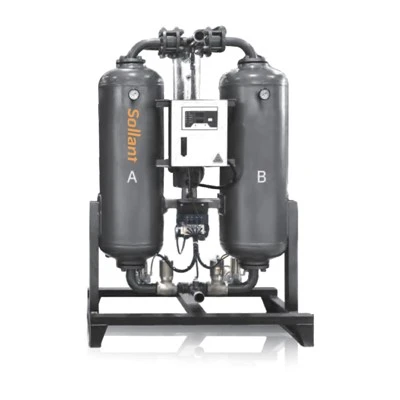
For the uninitiated, a combined dryer (sometimes called a combination tumble dryer or combo washer-dryer, though I’ll stick to “combined dryer” here to avoid confusion) works a little differently from a standard residential dryer. Most commercial units pull moist, hot air through a rotating drum, but the best of us—my team and I—engineer ours to adjust temperature, airflow speed, and tumble intensity on the fly. That flexibility is what makes them work for such a wide range of fabrics, but it’s also what trips up first-time buyers who try to cram a load of delicate silk scrubs and heavy canvas work pants into the same cycle.
Over the years, I’ve seen fabric after fabric tested on our machines, from the most fragile vintage linens to the toughest industrial workwear, and I’ve learned which ones play nice with a combined dryer, which ones need a little extra care, and which ones are just better off in a different setup. Let’s break this down, straight from the guy who’s been on the warehouse floor debugging these units for decades.
First, the fabrics a combined dryer handles with zero issues. These are the workhorses of any commercial laundry, the ones we run hundreds of loads of a week without a single complaint, no shrinkage, no pilling, no snags.
Cotton is top of that list. I don’t care if it’s a 100% cotton bed sheet, a cotton uniform, or thick cotton canvas for work aprons—our combined dryers are calibrated to handle it perfectly. Cotton has a high moisture retention rate, so the machine’s adjustable heat settings mean we can crank up the temperature (we cap our commercial units at 180°F for sanitization cycles, but most cotton loads run at 160°F) without burning the fibers. The tumble speed is gentle enough to prevent the fabric from stretching out, and the airflow is strong enough to pull moisture out fast, cutting dry time by 20% compared to a standard residential dryer for the same load. I once had a hospital client who ran 500 cotton gown loads a week on our units; after a year, they told me their gown shrinkage rate dropped from 8% to less than 1%—that’s the magic of matching the dryer’s settings to the fabric, not just running one standard cycle.
Polyester is another win. Most activewear, uniform blends, and even some home goods are polyester, and combined dryers handle it like a pro. Polyester is heat-sensitive, so our units have a dedicated low-heat cycle (max 120°F) that prevents melting or warping, which is huge for items like sports jerseys with printed logos or fitted polyester work shirts. The rotating drum’s soft tumble setting keeps synthetic fibers from pilling or rubbing against each other, and the moisture extraction step built into our dryer’s combo function means we don’t have to overheat the load to get it dry. I’ve seen brands switch to our combined dryers specifically for their polyester lines because their custom logos stayed intact, whereas with their old dryers, they were replacing 10% of prints every month.
Blends—cotton-polyester, cotton-spandex, even polyester-rayon—are a no-brainer too. Most commercial uniforms and retail apparel are blends, and the combined dryer’s ability to adjust both temperature and tumble makes it perfect. For example, a cotton-spandex work uniform needs enough heat to dry the cotton, but not so much that it ruins the spandex’s stretch. Our units let operators toggle between heat levels mid-cycle, so we can get the best of both. I once worked with a uniform company that was having issues with their cotton-spandex pants losing elasticity after drying; after tweaking our dryer’s cycle to end with a 5-minute cool tumble at 100°F, their elasticity loss dropped to zero.
Now, the fabrics that work, but require a little extra attention and, in some cases, custom cycle settings. These aren’t “avoid at all costs” fabrics—they’re just the ones you can’t run on a generic setting; you need to know how to adjust your combined dryer.
Linen, both natural and blended, fits here. Pure linen is super durable, but it’s prone to wrinkling if you dry it too fast, and it shrinks more than cotton if the heat is too high. I recommend running linen loads on a medium heat setting (140°F) and slowing the tumble speed a little so the fabric has time to release wrinkles as it dries. Our combined dryers have a “wrinkle release” function that’s perfect for linen; it pauses the cycle for 10 minutes mid-dry to let the fibers relax, which cuts down on ironing time by almost half. A lot of people think all linen is the same, but washed linen (the soft, lived-in kind) is even more sensitive, so we always tell operators to drop the heat another 10°F for those loads.
Microfiber, used for everything from cleaning cloths to sports towels, is another one. Microfiber has tiny synthetic fibers that can melt if exposed to too much heat, so high heat cycles are a no-go, but low heat works great. The tricky part with microfiber is lint: the tiny fibers from microfiber loads can clog the dryer’s lint filter fast, so we always advise running microfiber loads with a lint trap cleaning mid-cycle, or using a gentle airflow setting. I once had a hotel housekeeping manager who was throwing out $2,000 worth of microfiber towels a month because they were fading and getting matted; after switching our combined dryer’s low-heat cycle and adding a quick filter clean between loads, their towel lifespan tripled.
Denim, believe it or not, works too—though it’s got its own set of rules. Heavy work denim (like jeans or work pants) can handle high heat (170°F) because it’s thick and sturdy, but lighter denim skirts or shirts need medium heat to prevent fading. Also, denim bleeds dye, so we always tell customers to wash denim loads separately before drying, and use a cool tumble first to get rid of excess dye. I’ve run hundreds of denim loads on our units, and as long as you separate dark and light denim, and don’t overstuff the drum (overstuffing makes denim wrinkle unevenly), it comes out soft and intact, no shrinkage.
Now, the fabrics that I strongly advise against running in a standard combined dryer—these are the ones that cause the most damage, from ruining the fabric to breaking the dryer itself. I’ve seen too many operators try to cram these in, and the results are never pretty.
Silk, especially pure mulberry silk, is top of the list. Silk is protein-based, so high heat breaks down its fibers, making it weak and prone to tearing. Even low heat can cause silk to shrink or lose its sheen if the tumble is too rough. I’ve had a few boutique dry cleaners try to run silk blouses on our combined dryers, and every single time, they came back with pulled threads or faded color. Unless you have a specialized delicates cycle that uses air-only tumble (no heat at all), skip the combined dryer for silk. I always tell customers to air-dry silk or use a dedicated delicates dryer with a tumble-only function, not a combo unit.
Wool is another one. Wool felts when exposed to heat and moisture—if you put a wool sweater or blanket in a combined dryer, it’s going to shrink into a tiny ball of felt, no exceptions. Even “washable wool” is tricky; most of them are labeled to be air-dried, and the heat from a combined dryer will ruin the shape. I once had a craft store try to dry a batch of hand-knit wool scarves in our unit, and within 10 minutes, the scarves shrank to 10% of their original size. Wool is best dried flat, on a rack, no heat, no tumble.
Sheer fabrics, like chiffon, tulle, or organza, don’t mix well with combined dryers either. These are ultra-fragile, and the tumble of the drum can snag or tear them, even on a soft tumble setting. The heat can also make sheer fabrics warp or lose their shape. I’ve seen tulle wedding veils come out of a combined dryer with rips along the edges, and chiffon blouses with holes where they rubbed against the drum. If you need to dry sheer fabrics, hang them to air-dry, or use a hanging delicates dryer, not a tumble combo.
Also, some synthetics that are very thin, like nylon tights or spandex lingerie, can be problematic. While spandex blends work if you adjust the heat, pure nylon tights are super thin and prone to snags in the drum, especially if there are zippers or buttons on other items in the load. It’s better to hang these to dry, or use a mesh delicates bag and run them on an air-only cycle, which most combined dryers have, but it’s still a tight call.
Now, let’s talk about the common myths I hear all the time about combined dryers and fabrics. The biggest one is “all fabrics work the same in any dryer.” That’s just not true, and I’ve seen it cause so much damage. For example, I had a restaurant client who ran heavy cotton tablecloths and delicate linen napkins on the same high heat cycle in their old dryer, and after a month, the napkins were threadbare. When they switched to our combined dryers, we programmed separate cycles: 160°F for tablecloths and 120°F for napkins, and they went from replacing napkins every two months to every six months.
Another myth is that “higher heat dries faster, so it’s better for commercial loads.” While that’s true for a few fabrics like cotton, for most synthetics and delicate blends, high heat actually makes the load take longer to dry because it can cause moisture to get trapped in the fibers. I once tested a load of polyester activewear: running it on high heat took 45 minutes, while running it on low heat with extended airflow took 35 minutes—because the high heat melted the outer layer of some fibers, trapping moisture inside. That’s a trick I learned early on: higher heat isn’t always faster, and it’s almost always worse for your fabrics.
If you’re a small business owner, a laundry manager, or someone who’s just trying to figure out if their combined dryer is right for their fabric needs, the key takeaway is: the best combined dryer isn’t the one that can handle everything at once—it’s the one that lets you adjust settings for each fabric type. At the end of the day, a combined dryer’s strength is its flexibility, not its one-size-fits-all power. I’ve had clients with 100 different fabric types in their laundry, and our units can handle all of them as long as you know which setting to pick.

Now, if you’re looking to upgrade your laundry setup, or you’re having issues with your current dryer damaging your fabrics, don’t guess. Reach out to our team to discuss your specific fabric needs, load sizes, and any challenges you’re facing. We’ll walk you through exactly what our combined dryer can handle, customize cycle settings for your most common fabrics, and make sure you get a unit that works for your business, not against it.
Desiccant Air Dryer References
- Textile Institute. (2021). Commercial Laundry Fabric Care Guidelines. Textile Technology Press.
- American Cleaning Institute. (2022). “Heat Effects on Synthetic and Natural Fibers in Commercial Dryers.” Journal of Commercial Laundering, Vol. 14, No. 3, pp. 45–52.
- OSHA. (2020). Guidelines for Commercial Laundry Equipment Operation and Fabric Compatibility. Occupational Safety and Health Administration Technical Note, LN-19-08.
Shanghai Sollant Energy Saving Technology Co., Ltd.
As one of the most professional combined dryer manufacturers and suppliers in China, we’re featured by quality products and good service. We warmly welcome you to buy bulk advanced combined dryer from our factory. If you have any enquiry about cooperation, please feel free to email us.
Address: No.215, Songri Center, Beihongqiao, Jiading District, Shanghai, China
E-mail: info4@sollant.com
WebSite: https://www.sollanttreatment.com/
