The installation space requirement for RO (Reverse Osmosis) purified water equipment is a crucial aspect that both suppliers and customers need to carefully consider. As a supplier of RO Purified Water Equipment, I have encountered various situations where the lack of proper understanding of installation space requirements has led to complications. In this blog, I will delve into the key elements that determine the installation space for RO purified water equipment and provide some practical advice. RO Purified Water Equipment
Factors Influencing Installation Space Requirements
- Equipment Size and Configuration
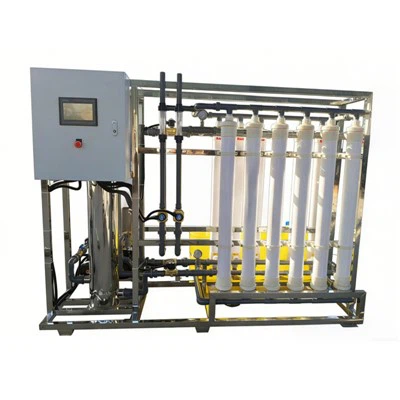
The physical size of the RO purified water equipment is the most obvious factor affecting the installation space. Different models and capacities of RO systems come in various dimensions. For example, a small – scale RO unit designed for a household or a small office may be relatively compact, with dimensions that can fit into a corner of a utility room. On the other hand, large – scale industrial RO systems used in factories or large commercial facilities can be quite massive. These industrial systems often consist of multiple components such as pre – treatment units, RO membranes, high – pressure pumps, and post – treatment devices, which require a significant amount of floor space.
The configuration of the equipment also matters. Some RO systems are designed as integrated units, where all the components are housed in a single cabinet. These are more space – efficient and easier to install in limited spaces. In contrast, modular RO systems, which allow for more flexibility in terms of expansion and customization, may require more space to accommodate the separate modules and the connections between them.
- Access for Maintenance and Operation
Proper access to the RO equipment is essential for its maintenance and operation. Technicians need to be able to reach all parts of the system easily to perform tasks such as membrane replacement, filter changes, and equipment inspection. As a general rule, there should be at least 30 – 60 centimeters of clearance around the equipment on all sides. This clearance allows technicians to move freely and use tools without any hindrance.
In addition to the side clearance, sufficient space above the equipment is also necessary, especially for systems that require the removal of large components such as pressure vessels or pumps. For example, if the RO system is installed in a basement or a low – ceiling area, the height clearance may limit the type of equipment that can be installed or make maintenance operations more difficult.
- Ventilation Requirements
RO purified water equipment generates heat during operation, especially the high – pressure pumps and the electrical components. Adequate ventilation is required to dissipate this heat and prevent overheating, which can damage the equipment and reduce its efficiency. The installation space should have proper ventilation openings or be connected to a ventilation system.
The ventilation requirements depend on the power consumption and heat generation of the equipment. For small RO systems, natural ventilation through windows or vents may be sufficient. However, for large industrial RO systems, mechanical ventilation systems such as exhaust fans or air – conditioning units may be necessary. The ventilation system should be designed to maintain the temperature and humidity within the recommended range for the equipment.
- Piping and Connection Space
The installation of RO purified water equipment involves a complex network of pipes for water intake, brine discharge, product water delivery, and chemical dosing. Sufficient space is required to install and route these pipes properly. The pipes should be installed in an orderly manner to avoid kinking, bending, or excessive pressure drops.
In addition to the straight – line space for pipe routing, space is also needed for pipe fittings, valves, and connections. These components need to be accessible for maintenance and adjustment. For example, ball valves and gate valves are commonly used in RO systems, and they require enough space to be opened and closed easily.
- Safety and Regulatory Requirements
Safety is a top priority when installing RO purified water equipment. The installation space should comply with relevant safety regulations and standards. For example, there should be a clear path to the equipment in case of an emergency, and the area should be free from flammable or explosive materials.
Some industries may also have specific regulatory requirements regarding the installation of water treatment equipment. For instance, in the food and beverage industry, the RO system must be installed in a clean and hygienic environment to meet food safety standards. This may require additional space for cleaning, disinfection, and the installation of protective barriers.
Practical Considerations for Different Applications
- Residential Applications
In residential settings, the installation space for RO purified water equipment is usually limited. Most residential RO units are designed to be installed under the kitchen sink. The typical dimensions of a residential RO system are around 40 – 60 centimeters in height, 30 – 40 centimeters in width, and 20 – 30 centimeters in depth.
When installing a residential RO system, it is important to ensure that there is enough space for the storage tank, which is usually placed beside or below the RO unit. In addition, the space under the sink should be well – ventilated to prevent moisture buildup and mold growth.
- Commercial Applications
Commercial applications such as restaurants, cafes, and small offices may require a larger – scale RO system compared to residential use. These systems are often installed in a utility room or a storage area. The installation space should be large enough to accommodate the RO unit, pre – treatment equipment, and the product water storage tank.
The ventilation and access requirements are also more critical in commercial settings, as the equipment is likely to be used more frequently and may require more maintenance. For example, in a restaurant, the RO system may need to produce a large amount of purified water during peak hours, and any breakdown or improper maintenance can disrupt the business operations.
- Industrial Applications
Industrial RO purified water equipment requires the most extensive installation space. Industrial facilities may have complex water treatment processes that involve multiple RO systems, pre – treatment and post – treatment stages, and large – scale storage tanks.
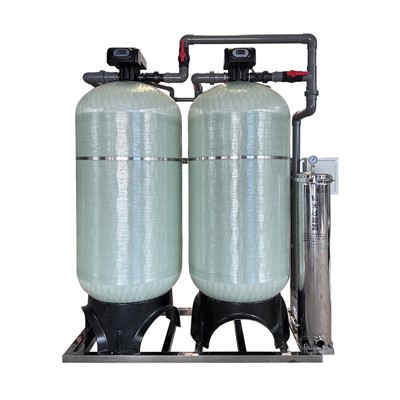
The installation area for an industrial RO system may need to be a dedicated room or building. The room should be designed to handle the heavy equipment, large – diameter pipes, and electrical connections. Ventilation systems in industrial settings are often more elaborate and may require the installation of exhaust ducts and air – handling units.
Tips for Optimizing Installation Space
- Plan Ahead
Before purchasing RO purified water equipment, it is essential to conduct a detailed assessment of the installation space. Measure the available area, including the floor space, height clearance, and the location of existing utilities such as water pipes and electrical outlets. Consider the future expansion needs of the system and leave some extra space accordingly. - Choose the Right Equipment
Select an RO system that is suitable for the available space. If the space is limited, look for compact or integrated models. For larger spaces, modular systems may offer more flexibility in terms of configuration and expansion. - Efficient Piping Design
Work with a professional plumber or engineer to design an efficient piping layout. Use the shortest possible pipe lengths and minimize the number of bends and fittings. This not only saves space but also reduces the pressure drop and energy consumption of the system. - Proper Ventilation Design
Consult with a ventilation expert to design an appropriate ventilation system for the installation space. Consider the heat generation of the equipment and the local climate conditions when selecting the ventilation method.
Contact for Purchase and Consultation
Industrial RO Equipment If you are considering purchasing RO purified water equipment and have questions about the installation space requirements or any other aspects of the system, I am here to help. Our team of experts can provide you with detailed information, customized solutions based on your specific needs, and professional installation services. Feel free to reach out to us for a consultation and let’s start the conversation about finding the perfect RO system for your application.
References
- Water Treatment Handbook, various industry standards and guidelines on RO system installation.
- Manufacturer’s manuals of different RO purified water equipment models regarding installation requirements.
Shandong Yanuo Environmental Protection Equipment Co., Ltd.
We’re well-known as one of the leading ro purified water equipment manufacturers and suppliers in China, featured by quality products and good price. Please rest assured to buy bulk ro purified water equipment made in China here from our factory. Customized orders are welcome.
Address: North Side of the Road, 1,000 Meters West of the Intersection of Fenghuangshan West Road and Provincial Highway S102, Wangfu Subdistrict, Qingzhou City, Weifang City, Shandong Province.
E-mail: ynhb.499973983@gmail.com
WebSite: https://www.zkyaruo.com/
