Hey there! As a sucralose supplier, I often get asked this burning question: "Is sucralose addictive?" It’s a topic that stirs up a lot of debate, so I thought I’d dive deep and share what I’ve learned over the years in this industry. Sucralose
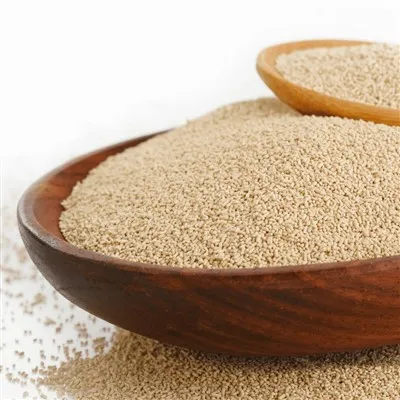
First off, let’s talk a bit about sucralose. Sucralose is an artificial sweetener that’s about 400 – 800 times sweeter than regular sugar. It’s been around for a while and is used in a ton of products, from diet sodas to sugar – free desserts. One of the big selling points of sucralose is that it has zero calories, which makes it a popular choice for people looking to cut down on sugar and manage their weight.
Now, onto the addiction question. Addiction is a complex thing. When we talk about something being addictive, we usually mean that it causes a person to have a strong physical or psychological dependence on it, and they might experience withdrawal symptoms if they stop using it.
Let’s start with the physical side. There’s no solid scientific evidence that shows sucralose causes physical addiction. Unlike substances like nicotine or alcohol, which can alter the brain’s chemistry and lead to physical cravings, sucralose doesn’t seem to have the same effect. The human body doesn’t metabolize sucralose in the same way it does sugar. When you consume sucralose, most of it passes through your body unchanged and is excreted. This means it doesn’t have the same impact on your blood sugar levels or energy metabolism as regular sugar, which are factors that can contribute to physical addiction in the case of sugar.
A bunch of studies have been done on sucralose, and they’ve generally found that it’s safe for consumption. The Food and Drug Administration (FDA) in the United States and other regulatory bodies around the world have approved sucralose for use in food and beverages. These organizations wouldn’t have given the green light if there were clear signs of addiction or other major health risks.
But what about the psychological side? Some people might think they’re "addicted" to sucralose – sweetened products. However, this is often more about the habit of consuming sweet – tasting things rather than a true addiction to sucralose itself. We live in a society where sweet flavors are everywhere, and our taste buds are accustomed to them. When you start using products with sucralose, you’re still getting that sweet taste without the calories. So, it’s easy to get used to having that sweet fix, but that’s different from being addicted.
For example, if you’re used to drinking a diet soda with sucralose every day, you might feel like you need it. But that’s probably because you’ve formed a daily routine. If you try to cut it out, you might have a bit of a hard time at first, not because your body is physically craving sucralose, but because you’re breaking a well – established habit.
Another aspect to consider is the role of marketing. The food and beverage industry has done a great job of promoting products with sucralose as healthy alternatives to sugary drinks and snacks. This has led to an increase in their consumption. People might think they can have as many sucralose – sweetened products as they want because they’re "zero – calorie." This over – consumption can give the impression of addiction, but it’s more about marketing influence and the perception of a "guilt – free" sweet treat.
Now, I know some of you might be thinking, "But there are always those horror stories on the internet about sucralose being bad." Well, there’s a lot of misinformation out there. Some of these stories are based on small – scale studies that have been misinterpreted or taken out of context. It’s important to look at the big picture and rely on large, well – conducted research.
In fact, sucralose can actually be a helpful tool for people trying to reduce their sugar intake. If you’re someone who has a sweet tooth but wants to avoid the negative health effects of too much sugar, sucralose can be a great alternative. It allows you to enjoy sweet flavors without the extra calories, which can help with weight management and blood sugar control.
As a sucralose supplier, I’ve seen firsthand how the demand for sucralose has been growing. More and more food and beverage manufacturers are turning to sucralose to meet the needs of health – conscious consumers. And from what I’ve heard from my customers, they’re happy with the results. They’re able to create products that taste great and are appealing to a wide range of consumers.
So, to sum it all up, there’s no good evidence to suggest that sucralose is addictive. It’s a safe and effective alternative to sugar that can be part of a balanced diet. Whether you’re a food manufacturer looking to create new products or a consumer looking to cut down on sugar, sucralose is a viable option.
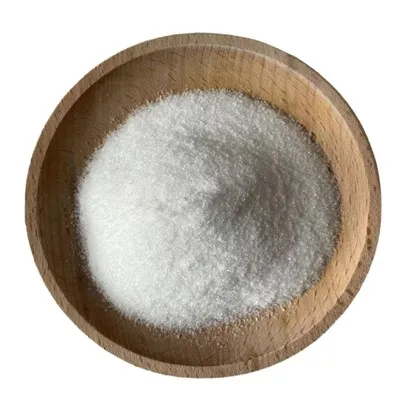
If you’re in the food or beverage industry and are interested in using sucralose in your products, I’d love to talk to you. We have high – quality sucralose that meets all the regulatory standards. Contact me to learn more about our products, pricing, and how we can help you with your specific needs.
Colorants References
- "Safety of Sucralose: An Update" by the Center for Science in the Public Interest.
- FDA reports on the approval and safety of sucralose.
- Various peer – reviewed scientific journals on artificial sweeteners and their effects on the human body.
Fudijia (Tianjin) Supply Chain Co., Ltd.
With abundant experience, we re one of the most professional sucralose manufacturers and suppliers in China. We warmly welcome you to wholesale bulk high quality sucralose made in China here from our factory. For more information, contact us now.
Address: 301-2-1C,Jin Bin Jie Zuo,No.98, Huanghai Road,TEDA, Tianjin, China
E-mail: foodchem@hjlfoods.com
WebSite: https://www.ifoodchem.com/
