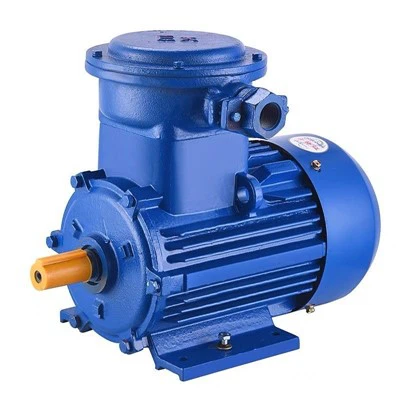
In the dynamic landscape of industrial machinery, the YE3 three – phase motor stands out as a paragon of efficiency and reliability. As a dedicated supplier of YE3 three – phase motors, I am often asked about the intricacies of their rotor design. The rotor design is not just a technical aspect; it is the heart that drives the motor’s superior performance, energy efficiency, and durability. YE3 Three-Phase Motor
The Basics of YE3 Three – Phase Motor Rotor
The rotor is one of the two main components of an electric motor, the other being the stator. In a YE3 three – phase motor, the rotor plays a crucial role in converting electrical energy into mechanical energy. The fundamental principle behind its operation is electromagnetic induction. When a three – phase alternating current is supplied to the stator windings, it creates a rotating magnetic field. This rotating magnetic field then induces an electromotive force (EMF) in the rotor conductors, which in turn generates a current. The interaction between the magnetic field of the stator and the current in the rotor produces a torque that causes the rotor to rotate.
Types of Rotor Designs in YE3 Three – Phase Motors
There are primarily two types of rotor designs commonly used in YE3 three – phase motors: the squirrel – cage rotor and the wound – rotor.
Squirrel – Cage Rotor
The squirrel – cage rotor is the most widely used design in YE3 three – phase motors due to its simplicity, reliability, and low cost. It consists of a laminated cylindrical core with evenly spaced slots on its outer surface. In these slots, conducting bars are placed, which are short – circuited at both ends by end rings. The conducting bars and end rings together form a structure that resembles a squirrel cage, hence the name.
One of the key advantages of the squirrel – cage rotor is its robustness. The absence of external connections or brushes means there are fewer components that can wear out or fail, resulting in a longer lifespan and lower maintenance requirements. Additionally, squirrel – cage rotors are highly efficient, as they have low electrical resistance, which minimizes power losses. This efficiency is one of the main reasons why YE3 three – phase motors with squirrel – cage rotors are so popular in industrial applications.
However, the speed of a squirrel – cage rotor motor is relatively fixed, determined by the frequency of the power supply and the number of poles in the motor. While this makes it suitable for applications where a constant speed is required, it may not be ideal for applications that require variable speed operation.
Wound – Rotor
The wound – rotor design, on the other hand, offers more flexibility in terms of speed control. In a wound – rotor motor, the rotor consists of a laminated core with insulated windings similar to those in the stator. These windings are connected to slip rings mounted on the rotor shaft. External resistors can be connected to the slip rings through brushes, allowing the rotor resistance to be adjusted.
By changing the rotor resistance, the torque – speed characteristics of the motor can be modified. This makes wound – rotor motors suitable for applications that require high starting torque or variable speed operation, such as cranes, hoists, and conveyors. However, the wound – rotor design is more complex and expensive than the squirrel – cage design. The presence of brushes and slip rings also increases the maintenance requirements, as these components are subject to wear and tear.
Design Considerations for YE3 Three – Phase Motor Rotors
When designing the rotor for a YE3 three – phase motor, several factors need to be taken into account to ensure optimal performance and efficiency.
Material Selection
The choice of materials for the rotor conductors and core is critical. The conductors are typically made of copper or aluminum due to their high electrical conductivity. Copper has a higher conductivity than aluminum, which means that motors with copper conductors generally have lower power losses and higher efficiency. However, copper is also more expensive than aluminum, so the choice between the two depends on the specific requirements of the application and the cost – benefit analysis.
The rotor core is usually made of laminated electrical steel. Laminating the core helps to reduce eddy current losses, which are caused by the induced currents in the core due to the changing magnetic field. The thickness of the laminations and the quality of the electrical steel also affect the motor’s efficiency and performance.
Geometric Design
The geometric design of the rotor, including the shape and size of the slots and the number of conducting bars, has a significant impact on the motor’s performance. The slot shape can affect the magnetic flux distribution in the rotor, which in turn affects the torque and efficiency of the motor. For example, semi – closed slots are often used in squirrel – cage rotors to improve the magnetic coupling between the stator and the rotor, resulting in higher efficiency and lower noise levels.
The number of conducting bars in the rotor also needs to be carefully chosen. A larger number of bars can increase the motor’s torque and reduce the torque ripple, but it can also increase the manufacturing cost and the complexity of the design.
Thermal Management
Efficient thermal management is essential for the reliable operation of YE3 three – phase motors. During operation, the rotor generates heat due to the electrical losses in the conductors and the core. If this heat is not dissipated effectively, it can cause the motor to overheat, leading to reduced efficiency, premature failure of the insulation, and even damage to the motor.
To ensure proper thermal management, the rotor design may include features such as ventilation ducts or cooling fins. These features help to increase the surface area of the rotor, allowing for better heat transfer to the surrounding environment. Additionally, the choice of materials with good thermal conductivity can also improve the motor’s thermal performance.
The Impact of Rotor Design on YE3 Three – Phase Motor Performance
The rotor design has a profound impact on the overall performance of YE3 three – phase motors. A well – designed rotor can improve the motor’s efficiency, reduce its energy consumption, and increase its reliability and lifespan.
Efficiency
As mentioned earlier, the choice of materials and the geometric design of the rotor can significantly affect the motor’s efficiency. By using high – conductivity materials for the conductors and optimizing the slot shape and the number of bars, the electrical losses in the rotor can be minimized, resulting in higher efficiency. This is particularly important in applications where the motor operates continuously, as even a small improvement in efficiency can lead to significant energy savings over time.
Torque and Speed
The rotor design also determines the motor’s torque – speed characteristics. Different applications require different torque and speed profiles, and the rotor design can be tailored to meet these requirements. For example, a motor with a squirrel – cage rotor is suitable for applications that require a constant speed, while a wound – rotor motor can provide variable speed operation and high starting torque.
Reliability and Durability
The simplicity and robustness of the rotor design contribute to the motor’s reliability and durability. Squirrel – cage rotors, in particular, have a long lifespan and low maintenance requirements due to the absence of brushes and external connections. By using high – quality materials and proper manufacturing processes, the rotor can withstand the mechanical and thermal stresses during operation, ensuring the reliable performance of the motor.
Conclusion

In conclusion, the rotor design of YE3 three – phase motors is a complex and critical aspect that determines the motor’s performance, efficiency, and reliability. As a supplier of YE3 three – phase motors, we understand the importance of a well – designed rotor and strive to incorporate the latest technologies and materials in our products. Whether you need a motor with a squirrel – cage rotor for constant – speed applications or a wound – rotor motor for variable – speed operation, we have the expertise and experience to provide you with the right solution.
YE3 Three-Phase Motor If you are interested in learning more about our YE3 three – phase motors or would like to discuss your specific requirements, please feel free to contact us. We are always ready to provide you with professional advice and high – quality products.
References
- Chapman, S. J. (2012). Electric Machinery Fundamentals. McGraw – Hill Education.
- Fitzgerald, A. E., Kingsley, C., & Umans, S. D. (2003). Electric Machinery. McGraw – Hill.
- Krause, P. C., Wasynczuk, O., & Sudhoff, S. D. (2013). Analysis of Electric Machinery and Drive Systems. Wiley.
Taizhou Goodpump Trading Co., Ltd.
We’re well-known as one of the most professional ye3 three-phase motor enterprises in China, featured by quality products and good service. Please rest assured to buy discount ye3 three-phase motor in stock here from our factory. For quotation, contact us now.
Address: No. 38, District 6, Zhengye Village, Lunan Street, Luqiao District, Taizhou City, Zhejiang Province, China
E-mail: 19548175755@163.com
WebSite: https://www.goodpump-cn.com/
