If you’re reading this, chances are you’ve got a stash of empty plastic bottles somewhere in your house or garage—maybe from that case of water you grabbed last month, or the detergent bottle that ran out last week. And if you’re like most people, you’ve probably wondered at some point: “Am I throwing this away right? Because I swear, half the time I feel like I’m guessing.” For context, I’m the owner of a small PE bottle supply business—we make those lightweight, durable polyethylene bottles for cleaning products, personal care goods, and even food storage—and I see firsthand how people use our bottles, then mishandle them once they’re empty. A few years back, we started getting a lot of questions from our customers (the brand owners we supply) about proper end-of-life disposal, because customers were posting on social media that they didn’t know what to do with them. So I did deep dives, talked to waste management guys, and tested different methods myself to figure this out. Let’s cut through the confusion—this is how you actually dispose of PE bottles, no more guesswork. PE Bottle
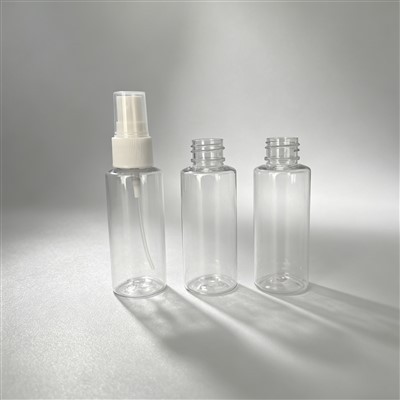
First, let’s get one big myth out of the way: not all plastic bottles are the same, even if they look similar. PE stands for polyethylene, right? And it’s categorized into two main types that are super common: HDPE (high-density polyethylene, that’s the thick, opaque ones—think milk jugs, detergent bottles, the bulk cleaning spray bottles we sell) and LDPE (low-density polyethylene, the thin, flexible ones—like bread bag ties, produce bags, or the squeeze ketchup bottles from fast food joints). A lot of people mix these up with PET bottles, which are the clear soda/water ones, and they totally shouldn’t be recycled together. That’s a huge mistake I see all the time—if you toss an HDPE bottle in with PET recycling, it can contaminate the whole batch. The number one rule here is to check the recycling code on the bottom, right there in the triangle chasing arrows. For PE, it’s either number 2 (HDPE) or number 4 (LDPE). If it’s anything else, like 1 (PET) or 5 (PP), that’s not PE, so put it back. That first step is non-negotiable.
Now, let’s talk about recycling, because that’s what most people want to do, but most also don’t know how to do it correctly. Here’s the thing: curbside recycling programs aren’t all the same. Some areas take both HDPE and LDPE, some only take HDPE, and a lot don’t take LDPE at all because thin plastic bags get tangled in the sorting machines and mess up the whole process. So first thing I tell everyone is: check your local waste management’s website—don’t assume “recycling” means everything plastic goes. Type in your zip code, search for their accepted materials, and save that page in your phone if you have to. No excuses for not knowing this, it’s like five seconds of Googling.
If your area does take HDPE bottles curbside, here’s the right way to prep them. First, rinse them out. I know, it’s a hassle, but hear me out—if you leave half a cup of old laundry detergent in the bottle, that residual gunk ruins the whole batch of recyclables. It’s not just the brand new bottles we sell, any plastic container needs to be empty and clean. You don’t have to scrub it, just a quick rinse with water, maybe wipe out the inside with a paper towel if there’s caked-on goop. Then, cap it? Wait, opinions are mixed here. A lot of curbside programs say to leave the cap off because most bottle caps are PP (number 5), which is a different plastic and also often not accepted in curbside recycling for PE. But some programs say to leave the cap on only if it’s the same type—caps on our bottles are usually HDPE, so you’d be fine, but check. Also, flatten them if you can, but don’t stress if you can’t. Sorting machines can handle unflattened bottles, but it saves space in the truck, so if you’ve got two seconds to squeeze it, do it.
LDPE bottles are the trickier ones. Like I said, most curbside programs don’t take them because of the bag tangle issue. So what do you do if you’ve got a bunch of those thin squeeze bottles or the produce bags that came with your PE bottle order (wait, no, personal use—like the baggies for leftover produce)? A lot of grocery stores have plastic drop bins, usually by the front entrance near the carts, that take LDPE. I know Whole Foods and Target definitely do this, and smaller local stores often too. Just make sure you don’t put anything else in there—no foam, no hard plastic, just clean LDPE film or bottles. And don’t bag them, leave them loose so they don’t cause tangles. I mention this because we used to get returns from customers with LDPE bottle caps in those bins, and they just get tossed because they’re too small. So stick to the bins meant for LDPE film.
Now, what if you live in an area that doesn’t take either PE type curbside? Or you’ve got a bunch of old PE bottles hanging around and recycling just isn’t an option? Then composting? Wait, a lot of people say plastic doesn’t compost, but modern composting works for some plastics, right? PE is actually considered a “biodegradable plastic” in industrial compost facilities—wait, no, let me correct that. Regular PE is not biodegradable, but there’s a newer type called oxo-biodegradable PE that breaks down in the right conditions. Wait, hold on, don’t go running out to buy that stuff, because it only works in industrial composters that have the right temperature and oxygen levels. Home compost? No, regular PE won’t break down, and oxo PE might leave microplastics in your soil, which is bad. So if you’re thinking compost, only do it if your area has a municipal industrial compost program that accepts plastics. If not, skip that.
What about throwing them in the trash? That’s the last resort, not the first. I know it’s easy, but PE bottles can take 450+ years to decompose in a landfill, and they leach chemicals into the soil over time. Only do this if you’ve exhausted every other option—recycling drop-offs, grocery bins, even taking them to a local waste transfer station that accepts them. Don’t just toss them because you don’t feel like making an extra trip, that’s what gets plastic in the oceans and hurting wildlife. I’ve seen sea birds with PE bottle caps stuck in their throats, and it’s a gut punch. So please, do the extra five minutes.
Wait, another thing: reusable PE bottles. So many people buy reusable water bottles made of PE, right? Those are the #2 HDPE ones, super durable. When those start to get scratched or stained and you can’t use them anymore, what do you do with those? A lot of people toss them, but they’re totally recyclable. Just make sure you check the code, rinse them out, and same as any other HDPE. Some brands even have take-back programs for their reusable PE bottles, like if you bought one from a brand that uses our bottles, ask them if they’ll take it back to recycle. That’s a huge hack—no guessing required, just send it back and they handle it.
I should also mention what not to do with PE bottles. Don’t burn them. I know it’s tempting to get rid of them fast, but burning PE releases toxic fumes into the air—chemicals like benzene and dioxins that are bad for your lungs and the environment. Don’t shred them in your backyard, either, that just creates microplastics that get into the water supply. Don’t leave them lying around outside, obviously, that’s littering and harms animals. I can’t tell you how many times we find our old PE bottles in ditches or along hiking trails, and it’s frustrating because they were made to last, not to be left as trash.
Now, let’s talk about some common mistakes I see all the time. One: people mix PE with other plastics. Like I said earlier, tossing an HDPE bottle with a PET soda bottle? Contaminates the whole batch, and that whole batch gets sent to landfill instead of recycled. I’ve heard horror stories of whole recycling loads being rejected just because someone threw a pizza box (waxed cardboard, no, wait, plastic) in. Two: people don’t rinse them. A bottle full of old hairspray or cooking oil doesn’t just smell bad, it makes the whole recycling load unusable. Three: they think LDPE is the same as HDPE. Thin squeeze bottles vs thick detergent bottles—those can’t go in the same bins, so check that code. Four: they forget about take-back programs. A lot of the brands we supply have these, because they care about the waste their products create, and it’s such an easy way to recycle without any work from you.
If you’ve read this far, you’re probably someone who cares about doing the right thing. And here’s the thing: it doesn’t have to be complicated. PE bottles are actually one of the easier plastics to dispose of correctly, once you know the rules. It’s just a quick check of the code, a quick rinse, and a trip to the right bin. For our part as PE bottle suppliers, we’re trying to make this easier too—we stamp every bottle clearly with the code, add a little sticker on the cap that says “recycle empty bottle” (we learned the hard way that not everyone knows that), and we partner with take-back programs for all our retail customers so people can send back their old reusable bottles.

If you’re a business looking to use high-quality, recyclable PE bottles for your products (say, a cleaning line, personal care brand, or food product), hit us up. We don’t just sell bottles—we give full end-of-life guidance tailored to your packaging, because we know that good disposal starts with the right product and the right info. No hassle, no fine print, just honest advice.
PET Plastic Bottles References:
- U.S. Environmental Protection Agency. (2023). Plastics Recycling: A Guide for Consumers. EPA.gov
- National Waste and Recycling Association. (2022). Accepted Materials for Curbside Recycling Programs. NWRA.org
- Ocean Conservancy. (2021). The Impact of Plastic Bottles on Marine Wildlife. OceanConservancy.org
- American Chemistry Council. (2023). Polyethylene (PE) Plastics: End-of-Life Management. ACC.org
Taizhou Fuyan Trading Co., Ltd.
As one of the most professional pe bottle manufacturers and suppliers in China, we’re featured by quality products and good service. Please rest assured to wholesale bulk pe bottle in stock here from our factory. Customized orders are welcome.
Address: Lupu Small and Micro Industrial Park, Lupu, Yuhuan City, Zhejiang Province
E-mail: taizhoufuyan@outlook.com
WebSite: https://www.fuyantrading.com/
