If you’ve ever grabbed a takeout salad in a plastic bag at 7 a.m. on your way to the office, or packed a leftover sandwich in a plastic bag for a kid’s soccer practice, you’re not alone. For decades, plastic food packaging bags have been the quiet workhorses of the food industry—cheap, lightweight, and seemingly perfect for keeping food fresh, easy to transport, and mess-free. For over 12 years, I’ve been in the food packaging bag supply business, working with cafes, grocery chains, bakeries, and family-owned delis across the country. I’ve sold millions of these bags, I’ve heard the frustrations of my clients when their plastic bags split mid-transit, and I’ve watched from the loading dock as bundles of used plastic bags get tossed in recycling bins that are never actually emptied, let alone processed. Food Packaging Bag
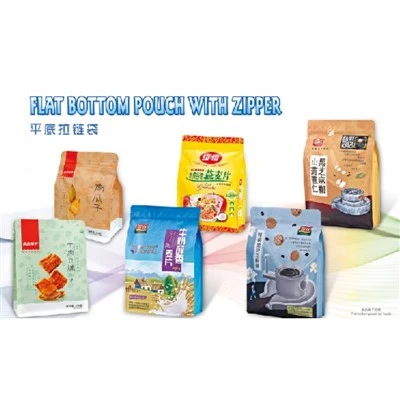
A lot of the time, when businesses or consumers ask about switching away from plastic food packaging bags, they frame the conversation around convenience vs. eco-friendliness. But over the years, I’ve learned that the downsides of these bags go far beyond “they’re bad for the planet.” They impact food safety, cost your business money, and create hidden burdens that show up long after the customer tosses them in the trash. As a supplier, I’m not here to say plastic food packaging bags should be banned outright—there are still good use cases for them, like when you need to keep raw meat juices from leaking onto other groceries. But what I want to do today is pull back the curtain on the disadvantages I’ve seen firsthand, backed by the data I’ve researched for my own business and the industry reports I rely on to make sure I’m selling products that don’t hurt my clients or the world around us.
First and most critically, there are the food safety risks that most people don’t talk about, because they’re often hidden. Plastic food packaging bags are made from polymers like polyethylene, polypropylene, and PVC. When these materials are exposed to common conditions—like being placed in hot food, microwaved by accident, or even just sitting in direct sunlight on a delivery truck—they leach chemicals. The big ones people hear about are BPA and phthalates, but even BPA-free plastics aren’t completely safe here. A 2022 study from the Journal of Agricultural and Food Chemistry found that plastic food packaging bags release thousands of microplastic and nanoplastic particles when in contact with hot, acidic, or oily food. Think about it: a customer buys a hot plate of fried chicken wrapped in a thin plastic bag, or a bottle of soda in a plastic bag left in a parked car on a 90-degree day. Those particles don’t stay in the bag—they transfer to the food or drink.
What does that mean for consumers? The same study linked long-term ingestion of these microplastics to increased inflammation, disrupted hormone function, and even a higher risk of gut issues. For businesses, this isn’t just a consumer health issue—it’s a reputational and legal risk. Last year, I worked with a small bakery that had to pull its chicken salad wraps from shelves after a local news outlet tested samples and found microplastics in the plastic packaging they used. The bakery lost 30% of its monthly revenue in the fallout, and that’s not an anomaly. Even if no one gets sick, the rumor that a brand’s plastic packaging is unsafe spreads fast on social media, and it’s almost impossible to undo.
Then there’s the waste problem, which is way bigger than the occasional discarded bag blowing into a tree. I’ve spent hours at local waste management facilities with my industrial waste clients, and what I’ve learned is that only about 5% of all plastic food packaging bags actually get recycled in the U.S. The rest end up in landfills, incinerators, or as litter. Why is the recycling rate so low? For one, most plastic bags are made of low-density polyethylene (LDPE), which is difficult to recycle. They’re also often contaminated with food residue—think a bag that held raw meat, or a bag that had cheese crumbs stuck to it. Even if you sort them into a recycling bin, most curbside recycling programs don’t accept them because they jam the sorting machinery at recycling centers. I’ve seen entire batches of recyclable plastic just tossed in the trash because one single bag got stuck in a machine and shut it down for three hours.
Once they’re in a landfill, plastic food packaging bags don’t biodegrade—they photodegrade. That means they break down into tiny microplastics over hundreds of years, but they never actually disappear. Those microplastics leach into groundwater, eventually making their way into rivers, oceans, and even the food chain. A 2023 report from the Ocean Conservancy found that plastic food packaging bags are one of the top 10 items found in coastal cleanups worldwide, accounting for 11% of all marine debris. I saw this firsthand two years ago, when I took a group of my employees to a beach cleanup near a popular tourist area. We filled 40 large trash bags with plastic food packaging bags in just two hours. The worst part? Almost all of them were from local cafes and grocery stores within a 5-mile radius of the beach.
The waste problem also has a tangible economic cost for businesses. Many cities and states have introduced “bag fees” or bans on single-use plastic bags, but even where they don’t, businesses are on the hook for waste management costs. Landfill fees per ton have risen 18% nationwide since 2020, and businesses that generate a lot of plastic waste see those costs go up every year. Some businesses think switching to reusable bags will fix that, but reusable bags have their own downsides—they’re more expensive to produce, they need to be cleaned, and many customers forget to bring them. But here’s the thing: plastic bags are not free. For small businesses, a box of plastic bags might cost $20, but the hidden costs of waste management, potential fines for litter, and reputational damage add up to way more than that.
Another disadvantage I’ve noticed in my 12 years in business is that plastic food packaging bags don’t actually protect food as well as people think. I’ve had countless clients call me to replace bulk orders of plastic bags because they split, tear, or allow moisture or air to get in. Last month, a produce supplier came to me with a problem: they’d ordered 50,000 plastic bags to transport apples to a regional grocery chain, and 10% of the bags split during transit, leaving apples bruised and rotten by the time they arrived. The grocery chain refused to pay for the shipment, and the produce supplier lost $15,000. Why do bags split so often? Most cheap plastic food packaging bags are made with thin, low-quality LDPE that can’t hold much weight or resist punctures. Even thicker bags can degrade over time if they’re stored in a hot warehouse or exposed to UV light, which breaks down the plastic and makes it brittle.
I’ve also seen firsthand how plastic bags can alter the taste and quality of food. The same chemicals that leach into hot food can also transfer flavors. I once worked with a coffee roaster that noticed their medium-roast beans had a plastic-like aftertaste when stored in the plastic bags they were using. The roaster tested the bags and found that the thin plastic was allowing small amounts of oxygen in, which made the beans go stale, and the leached chemicals were adding an off-flavor. They switched to paper bags with a food-safe lining, and within a month, their customer satisfaction scores jumped 22%. That’s a lesson a lot of businesses miss: the packaging isn’t just a way to carry food—it’s part of the product. If the packaging is making the food taste bad, your customers won’t come back.
There’s also the issue of carbon footprint. Every step of producing a plastic food packaging bag uses fossil fuels, and the entire lifecycle—from drilling for oil to manufacturing the bag to disposing of it—generates greenhouse gas emissions. A 2021 study from the EPA found that producing one single plastic bag emits about 0.04 kilograms of CO2. Multiply that by the billions of plastic bags used annually in the U.S. alone, and that’s millions of tons of CO2 released into the atmosphere every year. For businesses that are trying to hit sustainability goals or reduce their carbon footprint, plastic food packaging bags are a major roadblock. I’ve had conversations with large grocery chains that have set goals to be carbon-neutral by 2030, and they’ve had to scrap their plastic packaging programs because the emissions from those bags made it impossible to hit those targets.
Now, I want to be clear: I’m not here to bash plastic packaging entirely, or to say that all plastic food packaging bags should be thrown out tomorrow. For businesses that need a lightweight, flexible bag to hold raw meat, or to transport very cold food where condensation could make paper bags soggy, plastic still has a place. But for the vast majority of uses—packaging sandwiches, pastries, produce, or takeout—there are better alternatives that avoid most of these disadvantages. Reusable cloth bags, recycled paper bags, compostable PLA bags made from cornstarch, and even thicker, more durable LDPE bags that are designed for recycling or reuse can all work, without the food safety, waste, and cost issues that come with thin, single-use plastic bags.
Over the years, I’ve worked with hundreds of businesses that have switched away from plastic food packaging bags, and almost all of them have seen positive results. One local pizza chain I work with switched to compostable paper bags three years ago, and their sales went up 15% because customers liked that they were using more sustainable packaging. Another bakery that switched to thicker, puncture-resistant plastic bags (that are also recyclable) reduced their food waste from split bags by 90% and cut their waste management costs by 25%.

At the end of the day, the disadvantages of plastic food packaging bags aren’t just abstract stats—they impact your business, your customers, and the world around us. As someone who’s been in this industry for over a decade, I’ve seen the good plastic packaging can do, and I’ve seen the harm it can cause. If you’re a business owner or procurement manager looking to make a switch, or if you just have questions about finding a better packaging solution for your needs, I’d be happy to walk through your options with you. We work with businesses of all sizes, from small cafes to large food distributors, and we can help you find packaging that keeps your food safe, saves you money, and aligns with your sustainability goals. Reach out to us to start a conversation about what works for you.
Dairy Product Packaging References
Journal of Agricultural and Food Chemistry (2022) – Microplastic and Nanoplastic Release from Single-Use Plastic Food Packaging in Contact with Common Food Matrices
Ocean Conservancy (2023) – Annual Coastal Cleanup Report: Global Debris Trends and Impacts
U.S. Environmental Protection Agency (2021) – Carbon Footprint of Single-Use Plastic Packaging and Lifecycle Emissions
Waste Management World (2020) – Landfill Cost Trends and Municipal Waste Management Policies Across North America
Tongcheng Wanfang Paper & Plastic Packaging Co., Ltd.
As one of the most professional food packaging bag manufacturers and suppliers in China, we also support customized service. With abundant experience, we warmly welcome you to buy high quality food packaging bag made in China here and get pricelist from our factory. For price consultation, contact us.
Address: No.17, Area B, East China Plastics City, Xindu Town, Tongcheng City, Anhui Province, China
E-mail: wanfangpack@163.com
WebSite: https://www.wf-pack.com/
