Hey there candle lovers, let’s cut to the chase—if you’ve ever bought a candle that smelled like just a wick and wax, you know the biggest secret to making a good (read: iconic) candle is the fragrance oil. And since I’ve been in the fragrance oil game for years (yep, the one supplying small-batch and big candle brands alike with the good stuff), I’m gonna spill all the tea on how to actually use fragrance oil in candles like a pro—no fancy lab degree required. Fragrance Oil
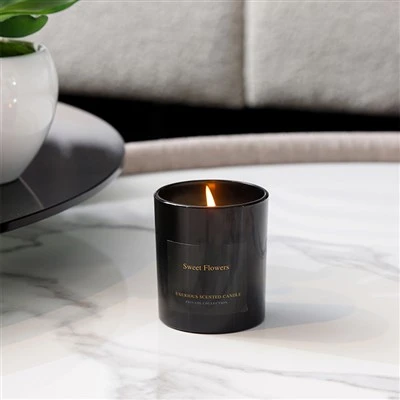
First off, let’s get one thing straight: not all fragrance oils are made equal. I’ve seen so many candle makers waste time and wax on cheap oils that fade fast, smell like chemicals, or even mess up their candles. That’s why we only stock phthalate-free, high-pour fragrance oils here—because your candle should smell like the scent you want, not like a cleaning spray or plastic toy.
Now, the most important rule: know your wax. I swear this is the #1 mistake new folks make. Soy wax? Paraffin? Coconut apricot blend? Each plays nice with oils differently. Let’s break it down quick:
- Soy wax (super popular for candles right now, thanks to being natural) needs fragrance oils that play well with its softness. We’ve got tons of scent profiles that hit 6-8% load here, which is the sweet spot—too low and you can’t smell it from across the room, too high and your wax gets greasy or frosty.
- Paraffin wax (still used a lot, and it’s super consistent) can take a bit more, like 8-10% load. Don’t go overboard here either—paraffin can get smelly if you dump too much oil in.
- Coconut apr�cot blend wax (if you’re into that extra creamy, clean burn) works great with our tropical and fruity scents. Stick to 7-9% here, since coconut wax loves oil but hates being weighed down too much.
Wait, what’s a load, you ask? It’s just the percentage of fragrance oil you add to your total wax weight. Like, if you’ve got 2 lbs of soy wax, you’d add 1.2 to 1.6 oz of fragrance oil for 6-8%. Easy enough, right? I always weigh my wax and oil with a kitchen scale—no guessing with measuring cups here, that’s how mistakes happen.
Next up, timing is everything when adding the oil. I know, you’re excited to get your candle poured, but don’t be that person who dumps oil into steaming hot wax. Let your wax cool down first—for soy wax, we wait until it’s 180-185°F (82-85°C). Paraffin? 175-180°F (79-82°C). If it’s too hot, the fragrance oil can evaporate, so you’ll get a candle that smells like wax instead of lavender or whatever you picked. If it’s too cold, the oil won’t mix in right, so you get those weird little scent clumps that never burn evenly. Pro tip: I like to stir slow for 2-3 minutes after adding the oil, just to make sure it’s fully incorporated—no streaks left in the wax.
Another thing that people sleep on: testing the scent first. I can’t tell you how many times a customer orders a scent from us, pours a whole batch, and says “wait, that’s not what I thought it would smell like.” Scent perception is wild—what I pick up as “juicy strawberry” might come off as “candy strawberry” to someone else, or even nothing at all if their nose is stuffed. So always, always test a small batch first. Melt 4 oz of wax, add the right amount of oil, pour it into a little jar, let it cure for 24 hours (curing is next, duh), and sniff it. That’ll tell you if the oil is strong enough, if you need to adjust the load, or even if you just don’t love that specific scent.
Oh right, curing! I feel like this is the most underrated step. After you pour your candle, you can’t light it that night. You have to let it sit, undisturbed, for at least 24 hours—sometimes up to 7 days, depending on the wax and oil. Curing lets the fragrance oil bind with the wax, so when you light your candle, the scent actually releases, not just the wick burning. I once had a regular who tested her candles right after pouring and thought our vanilla oil was garbage, but after curing, it was her best-selling scent. Don’t skip this part, I beg you.
Wait, what about common issues? Let’s troubleshoot real quick, because I get these questions every single week:
- My candle doesn’t smell when I burn it: 9 times out of 10, the load was too low, or you added the oil when the wax was too hot and it evaporated. Double check your percentage, and make sure your temp is right.
- My candle has a greasy spot on top: You added too much fragrance oil. Lower the load next time—way too much oil makes the wax separate.
- The scent is strong when it’s cold but fades when I light it: Probably the wrong wax. Some waxes hold scent better than others, or you used a fragrance oil that’s meant for soap, not candles. Always ask us! We’ll tell you which oils work best for candles, which work for soap, so you don’t waste money.
Oh, and safety! I’m all for making great candles, but safety first. Never add fragrance oil to wax that’s boiling hot, don’t leave your melting wax unattended, and make sure your candle holders are fire-safe. We make all our fragrance oils in line with IFRA standards, which is the global safety code for fragrances, so you know they’re not gonna harm you when burned. That’s non-negotiable for us—no cutting corners on safety.
Now, since I’m the fragrance oil supplier here, let’s talk about what we offer specifically, because I know you’re probably wondering if we’ve got what you need. We’ve got over 200 scents—everything from cozy fall (pumpkin spice, cedarwood, cinnamon) to fresh summer (ocean breeze, watermelon, coconut) to sweet bakery (vanilla cupcake, chocolate chip cookie) to even unisex scents that sell like crazy. All of our oils are candle-optimized, tested to work with soy, paraffin, coconut blends, you name it. We also do custom blends if you’ve got a specific scent in mind—just tell us what you want, and we can mix it for you.
Wait, one last tip for new candle makers: start small. Don’t order a 5-gallon bucket of oil for your first batch. Order a sample pack, test a bunch of scents, figure out what works for your wax, then go big. We sell sample packs for exactly that reason—no need to drop a ton of cash until you know what you’re doing.
If you’re just starting out, or you’re a seasoned maker who’s tired of oils that don’t perform, hit us up. We’re here to answer your questions, send sample packs, or hook you up with bulk oil at a fair price. No hidden fees, no weird fine print—just real people who know candles and fragrance oils, here to help you make the best damn candles you can.

Thanks for sticking with me—now go make something that smells amazing.
Scented Candle References:
- "Candle Making Basics: Fragrance Oil Load Rates" – National Candle Association
- IFRA Standards for Fragrance Use in Burned Products – International Fragrance Association
- "Wax and Fragrance Compatibility in Candles" – Soy Candle Association
Hangzhou Felshare Biotechnology Co., Ltd.
Hangzhou Felshare Biotechnology Co., Ltd. is one of the most professional fragrance oil manufacturers and suppliers in China, also supports customized service. Welcome to buy bulk CE approved fragrance oil made in China here from our factory. If you have any enquiry about pricelist, please feel free to email us.
Address: 3/F Building 4, No.1672 Nanhuan Road, Binjiang District, Hangzhou, Zhejiang, China
E-mail: sales08@felshare.com
WebSite: https://www.xfelshare.com/
