If you’ve ever been furniture shopping for your home or office, you’ve probably walked past melamine molded doors and not even realized it. As a door supplier who’s been in this game for over a decade, I get so many questions from contractors, interior designers, and homeowners alike: “What’s the big deal with these doors anyway?” Let me break down exactly why they’re worth your time (and money) — no fancy jargon, just straight talk from someone who’s been supplying these products for years. Melamine Molded Door
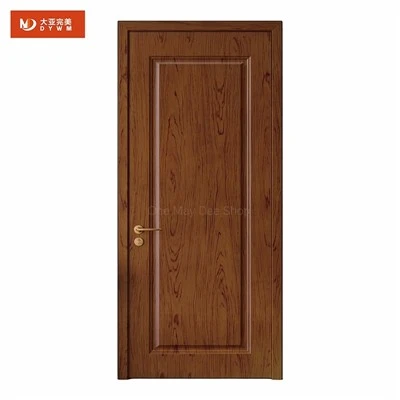
First off, let’s get one thing clear: melamine molded doors aren’t the same as those cheap, particleboard doors you saw at a big-box store 10 years ago. Back then, a lot of knockoff versions were flimsy, scratched easily, and peeled if they got even a little wet. Today’s molded melamine doors are next-level, and that’s why they’re blowing up in both residential and commercial spaces.
Let’s start with the big one: durability. I’ve seen thousands of doors come through our warehouse, and hands down, melamine molded doors hold up way better than solid wood or MDF doors in high-traffic areas. Why? Because the molding process coats a sturdy substrate (usually high-density fiberboard, or HDF, which is way more solid than basic particleboard) with a melamine resin layer. That resin isn’t just a thin film — it’s a hard, thermoset plastic that’s pressed under high heat and pressure to bond completely to the substrate. Unlike solid wood, which scratches easily if you move a chair too fast or a vacuum hits it, that melamine surface is scratch-resistant. We recently had a contractor order 50 doors for a coffee shop downtown, and even after 6 months of daily use (people leaning on them, moving furniture around, kids grabbing them), not a single one has a noticeable scratch. Compare that to the solid oak doors the same shop used before — half of them had scuffs within the first month.
Water resistance is another game-changer. I can’t tell you how many calls I get from people who had doors warp or swell after a spill in their kitchen or bathroom. Solid wood doors absorb water like a sponge, and MDF doors turn soft and mushy if they get wet. Melamine molded doors? The melamine seal is impenetrable to moisture. We had a homeowner last year who spilled a whole pitcher of water on her bathroom door by accident — she panicked, thought she’d have to replace it, but just wiped it up and it was fine. No swelling, no warping, no discoloration. That’s a huge win for bathrooms, laundry rooms, even entryways where people track in snow or rain.
And let’s talk about consistent quality. With solid wood doors, every single one is unique. One door might have a knot that throws off its color, another might be slightly thicker or thinner because of wood’s natural variations. That’s great for some rustic designs, but if you’re outfitting a whole office or a row of townhouses, you need every door to match. Melamine molded doors are made in a controlled factory setting, so every single one is identical. Same color, same size, same surface finish. When we supply doors to a multi-unit development, the contractors don’t have to spend extra time trimming or adjusting each door to fit — they just hang them. That saves time on installation, which saves money for everyone involved.
Wait, let’s not skip the design variety. A lot of people think melamine doors are just plain white or beige, but that’s so not true anymore. The molded process lets us do all kinds of styles: recessed panels, raised panels, even textured finishes that look like real wood (oak, maple, walnut, you name it) without the real wood price tag. We even do specialty finishes for commercial spaces — like smooth, matte surfaces that are easy to clean for hospitals or schools. If a designer wants a sleek, modern look for an apartment building, we can do a high-gloss white molded door that looks super upscale, but costs way less than a solid wood or lacquered door. And because the melamine is pressed on, the finish won’t fade or yellow over time like paint does. I’ve seen doors that have been in an office for 8 years, and they look just as good as the day they were installed.
Cost is a big factor too, and I don’t want to pretend otherwise. Solid wood doors are expensive — especially exotic woods — and MDF doors might be cheap but they fall apart. Melamine molded doors hit that perfect middle spot: they’re way more affordable than solid wood, but way more durable than basic MDF. For a small business owner opening a new store, that’s a huge difference. Let’s say you need 20 doors for a retail space: solid wood would run you $300-$500 each, that’s $6,000-$10,000. Melamine molded doors? We supply them for $80-$150 each, so you’re looking at $1,600-$3,000. That extra cash can go toward things like flooring, lighting, or marketing your business instead of replacing doors in 2 years.
Maintenance is another plus. No one wants to spend their weekends touching up paint or sanding scuffs off doors. Melamine molded doors just need a quick wipe with a damp cloth. If there’s a minor mark, a little mild soap will take it right off. You don’t have to worry about peeling, chipping paint, or re-staining every few years. I tell all my clients: these doors are basically “set it and forget it.” That’s perfect for busy homeowners or property managers who don’t have time for constant upkeep.
Wait, let’s address the common myths. A lot of people still think melamine doors are low-quality. Let’s set the record straight: that outdated stuff was cheap, low-grade melamine on particleboard. Today’s molded doors use HDF as the substrate, which is way denser and more stable. The molding process creates a seamless bond between the melamine and HDF, so you don’t get that peeling edge you used to see. We test every batch of doors we send out — scratch tests, water tests, impact tests — to make sure they meet our standards. I stand behind every door we supply, because I’ve seen how they hold up over time.
Another question I get: are they eco-friendly? Let’s be real, no door material is 100% perfect, but melamine molded doors have come a long way. The melamine resin we use is formaldehyde-free now (old formulas had some formaldehyde, but that’s phased out for most of our products), and the HDF substrate is made from recycled wood fibers. They also last way longer than cheaper doors, so you’re not replacing them every few years — that means less waste going to landfills. We even have a line of doors made from 100% recycled materials for clients who prioritize sustainability.
Now, who uses these doors? It’s not just for budget projects. We supply them to residential homeowners, commercial offices, schools, hospitals, coffee shops, apartment complexes — all over the place. For a hospital, the easy-to-clean surface is a must. For a school, they can handle rough kid hands and heavy use. For a homeowner remodeling their kitchen, they pair perfectly with melamine cabinets for a cohesive look. I recently worked with a designer who used our gray oak molded doors for a whole house renovation, and it turned out so sleek, no one guessed they weren’t solid wood.
Let me give you a quick story to put this in perspective. A couple years back, a small hotel in our area called us to replace their old MDF doors. The MDF doors had warped so bad in the humid climate that half the room keys didn’t work because the door frames were misaligned. They were going to go with solid wood, but the budget was tight. We supplied them with melamine molded doors — HDF core, moisture-resistant melamine finish, same style they had before. Two years later, the manager reached out to tell me those doors are still perfect, no warping, no issues. They told us they saved thousands of dollars that they used to upgrade their bedding instead of replacing doors again. That’s exactly the kind of win we love to see.
So, why does this matter to you, whether you’re a homeowner, contractor, or business owner? Let’s wrap this up: melamine molded doors give you durability that stands up to daily wear, water resistance that avoids costly repairs, consistent quality for big projects, design versatility to match any style, a price point that fits most budgets, and low maintenance so you can spend time on what matters.
If you’re in the market for new doors, whether it’s a single door for your bathroom or a whole set for a commercial space, don’t sleep on melamine molded doors. They’re not just a cheap alternative — they’re a smart investment that will last for years. I’ve been in this business long enough to know what works, and these doors check every box.

If you’re ready to learn more about what we offer, or to get a quote for your project, don’t hesitate to reach out. We can help you pick the right style, size, and finish to fit your needs, and answer any questions you might have. We’re here to make the process easy, no hassle, no hidden fees.
Interior Slab Door References:
- American Wood Council. (2022). High-Density Fiberboard (HDF) in Building Products. Wood Products Association.
- Melamine Resin Manufacturers Association. (2023). Modern Melamine Finishes: Durability and Moisture Resistance Standards.
- National Association of Home Builders. (2021). Cost-Benefit Analysis of Interior Door Materials for Residential Renovations.
- Environmental Protection Agency. (2022). Low-Volatile Organic Compound (VOC) Building Materials: Melamine-Based Products.
One May Dee Show Furniture Co., Ltd.
As one of the most professional melamine molded door manufacturers and suppliers in China, we are committed to providing high quality customized service with competitive price. Welcome to wholesale bulk cheap melamine molded door made in China here from our factory. If you have any enquiry about quotation, please feel free to email us.
Address: Laomiao Village, Dacheng Town, Sanyuan County, Xianyang City, Shaanxi Province, China.
E-mail: trade@omdoor.com
WebSite: https://www.dywmdoor.com/
