As someone who’s spent the last 12 years sourcing and supplying marker signs to small businesses, retail chains, and even municipal organizations across the U.S., I’ve seen firsthand how the wrong sign can sink a promotion—or a brand’s entire in-store presence. Early in my career, I worked with a local coffee shop that spent $800 on a hand-painted wooden sign for their patio; it peeled after three months in the sun, faded beyond recognition after six, and they had to replace it before their peak summer season. That experience stuck with me, and it’s why I’ve built my business around acrylic marker signs instead of the more traditional materials that used to dominate the market. Marker Signs

Acrylic isn’t the flashiest material, but it’s the workhorse of effective, long-lasting signs—and over the years, I’ve helped hundreds of clients see the value in ditching wood, metal, and vinyl for this versatile plastic compound. If you’re a business owner weighing your options for new storefront markers, promotional signs, or directional wayfinding, let me break down why acrylic might just be the most underrated investment you can make.
First, let’s talk about durability, because that’s the number one complaint I hear from clients who’ve had bad experiences with other sign materials. Wood rots, warps, or gets eaten by termites if it’s exposed to outdoor elements. Metal rusts, especially in coastal areas where salt air eats away at even the most expensive galvanized steel. Vinyl graphics peel, crack, or yellow within a year if they’re not applied perfectly. Acrylic, on the other hand, is a thermoplastic polymer that’s inherently resistant to weather, UV rays, and temperature fluctuations. I had a client in Miami who installed our indoor-outdoor acrylic open sign on the side of their restaurant in 2018; last year, they reached out to reorder not because the old one broke, but because they wanted a new graphic for their taco night promotion. It had survived hurricanes, 90-degree heat indexes, and constant salt spray, and it still looked almost identical to the day it went up.
But it’s not just outdoor use that makes acrylic tough. For indoor signs, like menu boards or promotional displays in busy retail spaces, acrylic stands up to scratches from carts, rolling chairs, or even accidental drops of cleaning supplies. I recently replaced a set of glass menu boards for a diner that used to chip every time a server slid a plate across them; their new acrylic boards have been in use for 18 months, and the only marks are from mild, regular cleaning. That kind of longevity isn’t just a nice bonus—it saves businesses a ton of money in the long run. I always tell clients to think of their sign as a long-term asset, not a one-time purchase. A $200 acrylic sign that lasts 10 years is a better deal than a $100 wood sign that needs replacing every two, right?
Next, let’s talk about versatility—and this is where acrylic really shines, because it can be shaped, cut, and customized to fit almost any need a business has. When I first started selling marker signs, most people thought acrylic was only for plain, transparent storefront signs. But modern printing and cutting technology has completely changed that. We can cut acrylic into custom shapes—circles, triangles, even intricate logos—using CNC routers that deliver precise, clean edges every time. We can print full-color graphics directly onto acrylic using UV-cured inks that don’t smudge, fade, or peel, even on curved surfaces.
For example, a boutique clothing store came to me last year wanting signs shaped like tiny dresses, jackets, and handbags to hang above their clothing racks. We cut 12 acrylic pieces, printed each with the item name, price, and a small graphic, and backlit them with LED strips that made them pop at night. They couldn’t have done that with metal, which would have been too heavy and expensive to cut into such small, delicate shapes, or with wood, which would have been too rough for fine details. Acrylic is also lightweight, which makes it easy to install—especially for high-up signs or signs on storefronts where installing heavy metal would require extra permits or structural support. I once installed a set of 8-foot tall directional acrylic signs for a mall in Phoenix; the whole team had them up in half a day, compared to the two days it would have taken to install metal signs of the same size, due to weight and installation complexity.
Another big advantage of acrylic marker signs is their versatility with lighting, which is a game-changer for businesses that want their signs to stand out day and night. Unlike metal or wood, acrylic is translucent, which means it works perfectly with backlighting. LED backlit acrylic signs are some of my best-selling products, because they’re energy-efficient, bright, and don’t get hot like neon signs. A local gym I work with wanted a large motivational sign above their entrance that glowed after dark; a neon sign would have been expensive, required regular maintenance, and used a ton of electricity. Our backlit acrylic sign uses 10 low-watt LED strips, runs for 12 hours a day, and costs less than $5 a month to power—way cheaper than the average neon sign’s energy bill.
Even unlit acrylic signs have a brightness that makes graphics pop. The smooth, glossy surface of acrylic reflects light evenly, so colors look more vibrant than they do on vinyl or wood. If you’ve ever seen a weathered wood sign or a vinyl banner that’s faded from the sun, you know how dull colors can look. Acrylic holds color way better because it’s resistant to UV rays—we use inks that are specifically formulated for outdoor use, so a sign that’s on the side of a building in direct sun will still look bright and bold after three years, instead of fading to a pale, washed-out version of the original design. I had a real estate client who needed signs for vacant lots that stayed up for six months at a time; their previous signs (vinyl and metal) looked terrible by the third month, but their acrylic signs were still bright enough for passersby to read from a block away.
Let’s not forget about maintenance, which is another area where acrylic beats almost every other sign material. Wood needs to be sealed every year to prevent rot, and metal needs to be repainted every two years to stop rust. Vinyl requires special cleaning solutions that won’t damage the adhesive, and if a scratch does happen, you can’t fix it without reprinting the whole graphic. Acrylic is easy to clean—just wipe it down with a soft cloth and mild soap and water, no special products needed. Scratches? Most light scratches on acrylic can be buffed out with a little polishing compound, so if a sign does get a small mark, you don’t have to replace the whole thing. I once had a café client who accidentally knocked a chair into their acrylic menu board, leaving a deep scratch on one side. We buffed it out in 10 minutes for less than $20, instead of having to reprint the entire $300 board. That kind of low maintenance is a huge plus for small business owners who don’t have time or extra money to fix minor issues with their signs.
Now, I know what some of you are thinking: “Acrylic is plastic, so it can’t be as high-quality as metal or wood, right?” That’s a common misconception, and I’ve spent years educating clients on the difference between cheap acrylic and the high-grade material we use. The acrylic we source is called cast acrylic, which is denser, more durable, and has a higher light transmission than the cheaper extruded acrylic you might find at big-box stores. Cast acrylic also doesn’t yellow over time, which is a big problem with extruded acrylic that’s left outside for years. I always tell clients to ask their sign supplier what type of acrylic they’re using—cutting corners on material quality is the easiest way to end up with a sign that fades or breaks within a year.
Another thing to consider is brand consistency. A lot of businesses have strict brand guidelines that specify exact colors, fonts, and logo placement. Acrylic allows for precise color matching, which is harder to do with other materials. For example, a fast-food chain I supply uses a specific shade of red for their logo; when we print that logo on acrylic, we can match the Pantone color exactly, so every sign they put up looks identical to the last one. With wood, the grain can affect how the color looks, and metal can have a duller finish that makes the color less vibrant. Acrylic gives you consistent, brand-perfect results every time, which is important for building recognition with customers.
I also want to talk about sustainability, because that’s something more and more businesses care about these days. Acrylic is 100% recyclable, which is a big plus compared to vinyl, which is a type of plastic that’s difficult to recycle, and metal, which requires a lot of energy to melt down and reuse. We work with a local recycling center that takes our old acrylic offcuts and broken signs, melts them down, and turns them into new acrylic products. Unlike wood, which requires cutting down trees, acrylic is a man-made material that doesn’t have an impact on deforestation, as long as you source it responsibly. I know it’s not the first thing people think about when buying a sign, but for businesses that want to reduce their environmental footprint, acrylic is a much better option than many traditional materials.
Of course, no sign material is perfect, and acrylic does have a few minor drawbacks. It’s slightly more expensive upfront than vinyl or corrugated plastic, but as I mentioned earlier, the longevity makes it worth it in the long run. It’s also easier to scratch than metal, but as I said, most scratches can be buffed out. And while it’s lightweight, it’s still more solid than vinyl banners, so it requires proper mounting to prevent it from blowing away in strong winds. But those small downsides are nothing compared to the benefits acrylic offers.
Over the years, I’ve built my business on helping clients find the right sign for their needs, and acrylic has consistently been the top choice for most of them. Whether it’s a storefront open sign that needs to last for years, a promotional display for a pop-up shop, or directional wayfinding for a large office building, acrylic marker signs deliver on durability, versatility, and performance. If you’re tired of replacing your signs every few months, or if you want a sign that helps your business stand out both day and night, it’s time to give acrylic a try.
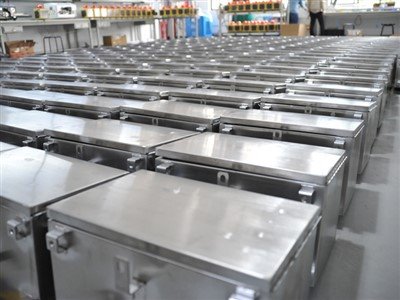
Toolboxes If you’re ready to upgrade your signs, or if you have questions about what acrylic can do for your business, I’d love to chat. We work with businesses of all sizes, from small local shops to national chains, and we’ll help you design a sign that fits your budget, your brand, and your needs.
References
- American Sign Association. (2022). Material Performance Guidelines for Commercial Signage. ASA Press.
- Plastics Industry Association. (2021). Cast Acrylic: Properties and Applications for Commercial Products. PIA Publications.
- International Code Council. (2020). Sign Installation Standards for Weather Resistance and Structural Safety. ICC Standards Council.
- U.S. Green Building Council. (2023). Sustainable Materials for Commercial Design: A Guide to Recyclable Signage. USGBC Research Institute.
- Sign Industry Magazine. (2022). The State of Modern Signage: Trends in Acrylic and Digital Printing. Sign Media Group.
Wuhu Qiahao Metal Products Co., Ltd.
As one of the most professional marker signs manufacturers and suppliers in China, we warmly welcome you to buy premium marker signs made in China here from our factory. All customized products are with high quality and competitive price. Contact us for pricelist.
Address: Building 5, No. 3 Yongtai Road, Wanzhi District, Wuhu City, Anhui Province, China
E-mail: 290418907@qq.com
WebSite: https://www.qiahaometal.com/
