If you’ve ever been behind the wheel of a car that feels like it’s bouncing over every pothole, rumble strip, and even minor unevenness in the road, you might have caught yourself wondering: Is my rough ride just normal, or is there something wrong with my suspension? As a shock absorber parts supplier who’s spent years working directly with mechanics, fleet managers, and everyday car owners, I hear this question all the time—and the short answer is yes: bad shock absorber parts are one of the most common culprits behind a jarring, uncomfortable driving experience. But to get why that happens, and what exactly faulty parts do to turn a smooth ride into a rough one, let’s break this down like we would when walking a new mechanic through a service call. Shock Absorber Parts
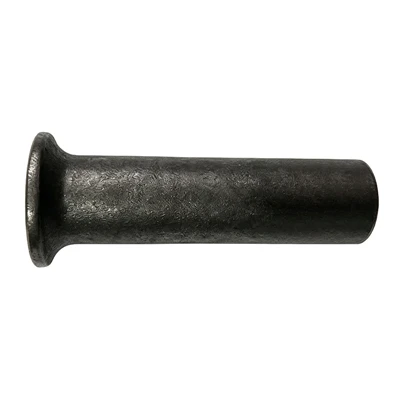
First, let’s set the basics straight: shock absorbers (often shortened to “shocks”) aren’t the same as struts or springs, even though people mix those terms up all the time. Springs are what support the car’s weight and absorb initial impact from bumps. Shock absorbers are the hydraulic components that control the spring’s movement—they act as a damper, stopping the spring from bouncing up and down repeatedly after it hits a bump. Think of it like a pogo stick: the spring is the spring that gives you height, and the shock is the mechanism that keeps you from bouncing all the way up and down every time you land. When shock parts go bad, that damping effect vanishes, and the spring can bounce uncontrollably.
Now, not all shock failures are dramatic, bottoming-out crashes. A lot of the time, bad parts cause gradual, almost unnoticeable changes at first—changes that feel like a rough ride before most owners realize there’s a problem. Let’s talk about the specific parts in a modern shock that can fail, because that’s where a lot of confusion happens. Shocks are made up of several core parts: a piston rod, a hydraulic cylinder, hydraulic fluid, seals, and sometimes a gas charge (for monotube or twin-tube designs). Any one of these components can wear out over time, and each failure leads to a different type of rough ride.
Take the piston rod, for example. It’s a solid metal rod that moves up and down inside the hydraulic cylinder to push fluid back and forth, creating the resistance that damps the spring. Over tens of thousands of miles, dirt, moisture, and road grime can work their way past the outer seal that protects the rod. That grime scuffs the rod, creating tiny scratches or pitting. When the rod moves through the cylinder, those scratches catch on the fluid, creating inconsistent damping. One moment, the shock will absorb a bump smoothly; the next, it’ll jerk, because the scuffed area isn’t moving as easily. For a driver, that feels like a rough, jittery ride—especially at highway speeds, where small, frequent bumps add up. I’ve seen this happen on 2018-2020 sedans where owners skipped regular undercarriage checks; by the time they brought the car in, the piston rod was pitted so badly that even a new fluid charge didn’t fix the roughness.
Then there’s the seals, which are another common point of failure. The main seal around the piston rod keeps hydraulic fluid inside the cylinder and keeps air out. Over time, rubber seals harden from heat, cold, and constant movement—after 50,000 to 100,000 miles, that rubber loses its flexibility, and it starts to leak. If fluid leaks out, the shock doesn’t have enough hydraulic resistance to damp springs. Instead of the spring compressing and releasing evenly, it moves freely, leading to what mechanics call “bounciness”—that feeling you get when you go over a bump and the car keeps bouncing two or three more times before settling. But that bounciness also translates to a rough ride, because every small bump causes the un-controlled spring movement to jostle the chassis. Worse, if air gets into the cylinder, it creates “foaming” of the hydraulic fluid. Foam compresses more easily than liquid, so the shock can’t provide consistent damping. That leads to a harsh, unpredictable ride—sometimes smooth, sometimes jarring, depending on how much foam is in the cylinder.
I remember a fleet manager who reached out to me two years ago with a problem: his delivery vans were returning from routes with reports of rough rides, and his drivers were complaining of back pain. He’d replaced the shocks once in 18 months, but the problem came back. When I had his lead mechanic pull one of the front shocks, we found the seal had started leaking after only 12 months—because the original seals were low-quality, designed for lighter passenger cars, not the constant stop-and-go of delivery routes. The van’s shocks were running 10-15 degrees hotter than passenger car shocks, which wore the cheap seals out faster, leading to foamy fluid and a rough ride. That’s a perfect example of how bad shock parts (in this case, mismatched, low-quality seals) directly cause that uncomfortable, rough driving experience.
Another common failing part is the mount, specifically the upper and lower shock mounts. A lot of people forget that shocks don’t just sit in the cylinder—they’re bolted to the chassis (upper mount) and the axle (lower mount). The mounts have rubber bushings that cushion the shock’s movement and keep it aligned. Over time, those rubber bushings crack, wear down, or even break entirely. When a mount is bad, the shock can shift out of alignment, so it doesn’t damp the spring evenly. That causes two issues: first, a clunking or knocking noise when going over bumps, and second, a rough, uneven ride, because one side of the car is moving independently of the other. For example, if the left front shock mount is worn, the left front wheel might bounce more than the right, making the steering feel unstable and the whole car vibrate at highway speeds. I’ve had mechanics tell me they’ll replace a shock thinking the part is bad, only to find the mount was the real culprit—so it’s important to check all connected parts when diagnosing a rough ride, not just the shock itself.
Let’s also clear up a myth: some drivers think a rough ride is just “part of driving an older car,” and they ignore worn shock parts. That’s a risky call. Beyond discomfort, bad shocks cause actual handling issues that make the ride feel even rougher. When shocks can’t control spring movement, the tires lose contact with the road more often. That means every time the tire leaves the road, it doesn’t absorb the bump—it slams back down, creating a jarring impact. At highway speeds, this leads to a “shimmy” or vibration through the steering wheel, because the front tires are bouncing unevenly. For example, a 2015 Toyota Corolla with worn rear shocks will feel rough on the highway, even if the front shocks are fine, because the rear end is bouncing and transferring that movement up to the cabin. I’ve seen drivers ignore this for months, only to have a tire blowout because the uneven bouncing wore the tread down on one side.
Now, let’s talk about how to spot bad shock parts before they turn a smooth ride into a rough one. It’s not just about feeling the bounce—there are simple checks you can do. First, the “bounce test”: park the car, push down firmly on the front of the car, release, and count how many times it bounces. A good shock will bounce once, maybe twice, before settling. If it bounces three times or more, the shocks are worn. Second, look for leaks: if you see oil or fluid dripping from the shock body, that’s a sign the seal is bad, and it will lead to a rough ride soon. Third, check the tires: uneven tread wear (especially on the edges) or cupping (small, scalloped wear spots) is a classic sign of worn shocks, because the tire isn’t sitting flat on the road.
As someone who supplies shock parts, I can’t stress enough that quality parts make a huge difference here. I’ve seen mechanics install cheap, off-brand shock seals and mounts that wear out in 20,000 miles, leading to a repeat of the rough ride problem. When they switch to our OEM-grade or premium aftermarket parts, the difference is noticeable immediately. A delivery driver told me last year that after we supplied a set of front shock seals and mounts for his vans, his end-of-shift back pain went down by 70%, and he didn’t complain about rough rides anymore. That’s the kind of impact a good shock part has—turning a jarring, uncomfortable drive into a smooth one that’s easier on both drivers and vehicles.
It’s also important to note that not all rough rides are caused by bad shock parts. You might have worn springs, misaligned wheels, worn ball joints, or even underinflated tires. That’s why it’s always a good idea to have a certified mechanic inspect the suspension system if your ride feels rougher than normal. But what I’ve learned over years in this industry is that bad shock parts are consistently the top cause of a rough ride, across all types of vehicles—from compact cars to heavy-duty trucks.
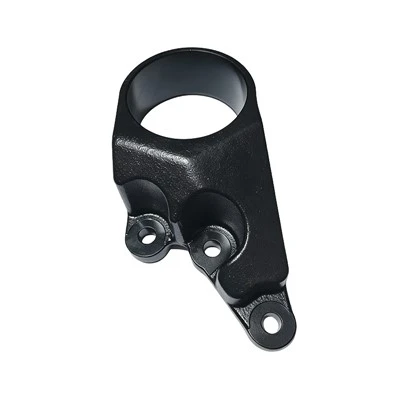
If you’re a driver dealing with a rough ride, a fleet manager looking to cut down on driver discomfort and vehicle wear, or a mechanic in need of reliable shock parts to fix those issues, we’re here to help. We stock a full line of piston rods, seals, mounts, and complete shock assemblies, designed to meet OEM specifications for a wide range of vehicle makes and models. Our parts are tested for durability to stand up to the demands of daily driving, highway speeds, and heavy use, so you don’t have to deal with premature failures that lead to that frustrating rough ride. Whether you need a single replacement part or a bulk order for a fleet, we can work with you to find the right solution. Don’t let bad shock parts turn your drive into a jarring experience—reach out to us to discuss your needs, and we’ll help you get your ride back to smooth and comfortable.
Shock Absorber Parts References
- Automotive Suspension Systems: Principles, Diagnosis, and Service, 5th Edition, James Halderman, Pearson Education, 2019
- SAE International Technical Paper: Effect of Shock Absorber Degradation on Vehicle Ride Comfort and Handling, SAE International, 2021
- Rubber Component Wear in Automotive Suspensions: A Field Study, Journal of Automotive Engineering, Vol. 232, No. 12, 2018
- Tire Wear Patterns and Suspension Alignment Correlations, National Highway Traffic Safety Administration (NHTSA), Vehicle Safety Bulletin, 2020
- Shock Absorber Hydraulics: Design and Failure Analysis, International Journal of Mechanical Engineering, Vol. 15, No. 3, 2017
Ninghai Zhengda Moulding Co., Ltd.
As one of the most professional shock absorber parts manufacturers and suppliers in China, we also support customized service. Please feel free to wholesale durable shock absorber parts in stock here from our factory. Welcome to contact us for pricelist.
Address: No.2088-3, Xuemian North Road, Taoyuan Subdistrict, Ninghai County
E-mail: xgs9425@outlook.com
WebSite: https://www.cn-zhengda.com/
