Hey everyone,
If you’ve ever been stuck in a sweltering car for 10 minutes waiting for a co-worker to grab something from a store, you know how miserable that midday heat can get. As someone who works day in and day out with parking air conditioners (we’re the folks supplying these bad boys), one question pops up all the time: “Do I really need a pro to install this? Can’t I just plug it in and call it a day?” Parking Air Conditioner
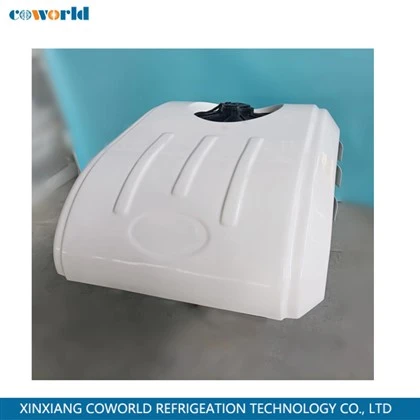
First, let’s get one thing straight: parking ACs aren’t your window unit at home. They’re built to run on your car’s battery (or sometimes a dedicated auxiliary battery, depending on the model) when your engine’s off—no idling, no wasting gas, no leaving the keys in the ignition. That’s the whole point, right? You don’t want to kill your battery mid-shift or, worse, have it start a fire. So let’s break down what happens when you skip the pro install, and why calling someone who actually knows their stuff matters.
Let’s Talk About What Makes Parking ACs Different
Most standard car ACs run off the engine’s serpentine belt, which only works when the motor’s on. Parking ACs? They’re standalone, portable (or semi-permanent) units designed to cool the cab while your engine’s off—ideal for delivery drivers, security guards, truckers taking a quick nap, or even anyone who sits in their car waiting for a ride. There are two main types, and both have unique wiring and setup needs:
- Portable Window-Mounted Units: These slide into your car’s window, have a hose for venting hot air, and need to connect to a power source.
- Auxiliary Roof-Mounted Units: These are bigger, heavy-duty for commercial vehicles, and tie into the car’s electrical system permanently (well, as permanent as a removable unit gets).
Now, here’s the catch: neither of these is as simple as plugging a phone charger into your cigarette lighter. Your car’s cigarette lighter (or 12V outlet) is rated for a max of 15-20 amps. A basic parking AC needs 30-50 amps to run—so if you just yank a adapter and hook it straight in, you’re overloading the circuit. That’ll blow a fuse, or worse, damage your car’s electrical system. I’ve seen guys try this with a cheap no-name unit, and they ended up with a dead battery and a fried fuse box. Cost them $400 in repairs—way more than a pro install would’ve run.
The “I Can Do It Myself” Trap
I get it. Watching YouTube tutorials makes it look easy. You see a guy take out a panel, splice some wires, and clip a unit to your roof, and you think, “Piece of cake.” But here’s the thing: most DIY tutorials are for specific car models, not the weird ones. Let’s say you drive an older pickup with a wonky electrical system, or a delivery van with a factory-installed backup camera tied into the same circuit. Splicing wires wrong can mess with your radio, your dash lights, or even the backup camera. One of our customers tried this with his 2018 Ford Transit, and he accidentally cut the wire for his door lock sensor. The thing? He had to wait 2 hours for a mechanic to fix it because he couldn’t lock the doors for a delivery run.
Another big one: venting. If you’re installing a window-mounted unit, the exhaust hose has to line up perfectly with the window gap. If it’s not sealed tight, the cold air leaks out, and the unit has to work way harder to cool the car—wasting power, shortening its lifespan. A pro will measure the window, cut the hose to the right length, and seal it with foam that doesn’t leave residue. A lot of DIYers use duct tape, which falls off after a week, or just cram the hose in, leaving a 2-inch gap. We hear that from customers all the time—their unit runs all day and only cools the driver’s seat, not the whole cab.
Why Pro Installs Save You Cash (Long-Term)
Sure, you might pay $150-$250 for a pro install. But let’s compare that to the alternatives:
- Battery damage: If your AC pulls too much juice, your battery dies. Jump starts are annoying, but if you’re a delivery driver, that’s a lost shift. We had a customer who was delivering pizza and got stranded in a parking lot for 3 hours because his DIY-installed AC killed his battery. He missed 12 deliveries, lost $180 in tips.
- Unit failure: Cheap parking ACs aren’t built like residential units. They have compressors that can’t handle overvoltage or bad venting. If you install it wrong, the warranty’s void—most brands won’t cover “user error.” So you’re stuck buying a new unit every 6 months, instead of every 3-5 years.
- Safety risks: Here’s the big one. I’ve talked to a few electricians who’ve seen cars where DIY wiring caused small fires. It’s not the AC itself—it’s the frayed wires touching the metal frame, or overloaded circuits heating up. A pro knows how to wire the unit to a dedicated auxiliary battery, which is separate from your car’s main battery. That way, you’re not risking your car catching fire while you’re napping in the backseat.
Wait, but what if you have a tiny hatchback and you’re just using the AC for a quick grocery run? Is a pro necessary then? Maybe, but even then, skip the cheap unit and get someone to at least check the wiring. Last month, a customer bought a no-name portable AC from Amazon, tried to install it in his Honda Fit, and ended up with a melted cigarette lighter outlet. He couldn’t charge his phone, and had to buy a new outlet for $80. A pro would’ve used a heavy-duty adapter that’s rated for the unit’s amperage—no melting, no mess.
What Our Install Pros Bring to the Table
As a parking AC supplier, we don’t just sell units—we work with a network of certified installers who know every model, every car type, and every local electrical code. Here’s what they do that a DIYer can’t:
- Circuit testing: They use a multimeter to check your car’s electrical system and make sure it can handle the unit’s power needs. If not, they’ll suggest a dedicated auxiliary battery (we sell those too, fyi) to avoid overload.
- Custom venting: They measure your window (or roof) to make the exhaust hose fit perfectly, and use weather-resistant sealant that won’t crack in cold or hot weather.
- Warranty verification: They sign off on the install so your unit’s warranty stays valid. Most brands require a professional install to honor claims, so if it breaks, you’re covered.
- Safety checks: They’ll make sure the unit is secured tight—no one wants a 50-pound roof unit flying off the highway. I’ve seen that happen to a DIY guy on the highway; he lost the unit, almost hit a car, and had to pay for a new one and a ticket.
Still Thinking About DIY? Let’s Be Real
If you’re a mechanic or an electrician, go nuts. But if you’re a regular driver who changes their oil once a year, and can wire a speaker, don’t risk it. We’ve had too many customers come back with horror stories: a guy whose DIY install killed his battery every night, so he had to buy a new battery every 12 months; a delivery driver whose unit leaked water onto his seats and caused mold; a mom whose kid burned his hand on a frayed wire.
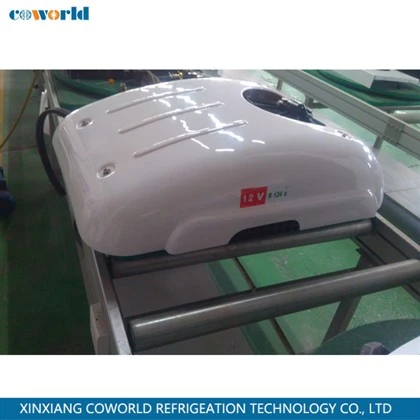
At the end of the day, parking ACs are supposed to make your life easier, not add stress. You don’t want to be troubleshooting wires in a parking lot at 2 a.m. after a long shift, right? We’ve seen it, and it’s not fun.
Rootop Refrigeration Unit If you’re in the market for a parking AC, or have questions about install options, hit us up. We can hook you up with a unit that fits your vehicle, and connect you with an installer who’ll do it right. No guesswork, no wasted money, no melted fuses.
References
- National Highway Traffic Safety Administration. (2022). Electrical System Safety for Auxiliary Vehicle Components.
- Society of Automotive Engineers. (2021). Performance Standards for Parking Air Conditioning Units.
- Consumer Reports. (2023). Car Accessory Safety: Avoiding Electrical Overload Risks.
- Battery Council International. (2022). Auxiliary Power System Best Practices for Commercial Vehicles.
Xinxiang Coworld Refrigeration Technology Co., Ltd.
As one of the most professional parking air conditioner manufacturers and suppliers in China, our products have good reputation in the market. We warmly welcome you to buy cheap parking air conditioner for sale here from our factory. If you have any enquiry about cooperation, please feel free to email us.
Address: B103 ROOM, GT CITY, NO.199 ZHENGZHONG ROAD, HIGH TECH ZONE, XINXIANG CITY, HENAN PROVINCE, CHINA
E-mail: coworldfrio@hotmail.com
WebSite: https://www.coworldthermo.com/
