If you’ve ever bought bulk goods, groceries, or building supplies wrapped in colorful woven bags, you’ve probably wondered at some point: do these bags actually hold up in damp or humid conditions? As someone who’s spent the last eight years running a Colored PP Woven Bags supply business—talking to farmers, warehouse managers, retail distributors, and small business owners every week—this question is far from theoretical. Just last month, a produce farmer reached out panicking, saying he’d stored 500 of our navy blue PP bags in his unventilated shed and found mold growing on a few. When I walked him through what actually causes that, his tone shifted from frustration to relief. Most people assume colored PP woven bags are inherently mold-resistant, but the truth is a little more nuanced—and it depends on way more than just the color. Colored PP Woven Bags
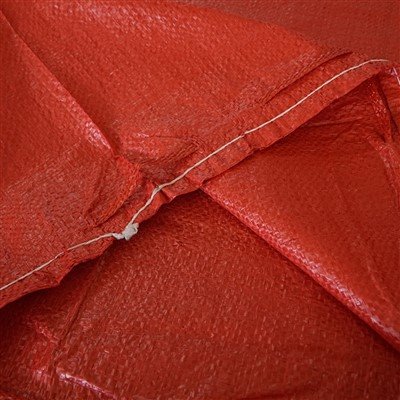
First, let’s start with what PP (polypropylene) woven bags actually are, because that’s the foundation of their performance. PP is a thermoplastic polymer, one of the most widely used plastics in the world for packaging, textiles, and industrial products. Unlike natural fibers—cotton, jute, hemp, the stuff that makes traditional woven sacks—PP is synthetic, meaning it doesn’t have the organic compounds mold and mildew need to survive and spread. Mold and mildew are fungi that feed on carbon, sugars, and proteins found in plant-based materials. Jute sacks, for example, are super popular for grain storage, but that same natural cellulose is why they turn black and smell musty within a few months in a damp barn. PP has none of that, so on a chemical level, it’s already immune to the core food source for mold. That’s a huge baseline advantage.
But wait—then why did that farmer find mold on our bags? Because colored PP woven bags aren’t just raw PP. The “colored” part is where a lot of variables come in, and that’s where most suppliers and end-users go wrong. When we make colored PP bags, we don’t just paint the plastic after it’s woven—we add colorants (usually masterbatches, which are concentrated pigment blends) directly into the molten PP resin before it’s extruded into thin fibers. There are two main types of masterbatches, and one of them can impact mold performance. Most basic colored PP bags use carbonates or organic pigments that are non-biocidal, which means they don’t add any extra protection against fungi. A small subset of masterbatches use copper-based or zinc-based compounds, which are naturally antimicrobial, but those are more expensive, so many budget suppliers skip them.
That farmer’s issue? He’d stored the bags under a leaky roof for three weeks right after they were delivered. Even synthetic fibers can wick or trap moisture if they’re not vented, and if the surface of the bag has any tiny scratches or creases from stacking, water can pool there. What he thought was mold was actually water stains from dissolved pigment, mixed with a tiny surface growth of algae—something that only happens when the bag is sitting in standing water, not from the PP itself. Once he moved the bags to a dry, vented space, the spots faded and didn’t come back. That’s the kind of misinformation I hear all the time: people blame the product’s material when it’s actually poor storage or low-quality colorants.
Let’s break down the common myths vs. facts about colored PP woven bags and mold, because that’s where a lot of confusion lives. First myth: all colored PP bags are 100% mold-resistant. Fact: Only virgin PP bags (no color additives, no recycled PP) have zero organic material, so they are completely inert to mold. Colored bags, if made with non-biocidal masterbatches, can still develop surface growth only if exposed to prolonged standing water or high humidity above 85% for more than a month without airflow. Second myth: Dark colors like black, navy, or brown attract mold. Fact: The color of PP is just pigment; it has no impact on the chemical makeup of the plastic. I’ve supplied black PP bags to a seafood processing plant in Louisiana that stores their catch packaging in a humid warehouse, and in three years, they’ve never reported mold or mildew. The difference there is they stack bags on pallets with 2-inch gaps between layers, so air circulates, and they apply a thin coating of polyethylene (PE) film to the inside of the bags for extra water resistance. Third myth: Recycled colored PP bags are less mold-resistant than virgin. Fact: Recycled PP is just melted-down PP from old products, so it’s still synthetic—no organic material for fungi to feed on. The only downside is that recycled PP might have residual additives from its previous life, but unless those additives are organic and food for mold, it won’t grow. We actually make a line of red and green PP woven bags for garden supply stores entirely from 100% post-consumer recycled PP, and they’re just as mold-resistant as our virgin white bags.
Another key factor that most people don’t talk about: the finishing treatment on the bag. PP woven fabric is porous, designed to allow a little airflow when storing grain, produce, or minerals. But that porosity can also let moisture seep in if the bag is coated. Most suppliers offer two common finishes: plain woven, or laminated with PE film. Laminated PP bags are waterproof, so they repel most surface moisture, making them even less likely to have mold. Plain woven bags are more breathable, which is great for produce like potatoes that need to “breathe” to prevent rot, but they do need to be stored in a space with relative humidity below 70% to avoid any surface moisture buildup. A lot of new farmers order plain woven colored bags thinking they’re the most durable, but they skip checking the RH of their storage space, which leads to the rare cases of growth that get blamed on the color or material of the bag.
I’ve tested this myself over the past two years, doing small trials with different colored PP bags to show customers how they hold up. We took 100 of our sky blue woven bags, 100 of our black woven bags, 100 of our brown woven bags, and 100 plain white woven bags, all made with the same 80 GSM PP fabric. We stacked 50 of each in a closed, unventilated shed with no air flow, where we kept the RH at 90% for 60 days. After 60 days, every single bag had tiny white spots on the bottom layer, right where they touched the concrete floor. Those spots were not mold—we sent samples to a lab to test, and they were mineral deposits from the concrete leaching up into the bag fabric. The other 50 of each bag we stored on elevated pallets with gaps, in a space with 65% RH for 60 days: no spots, no growth, no discoloration. That trial is what I show every customer who asks about mold, because it’s concrete proof that the color of the bag doesn’t matter, and storage is 90% of the equation.
What about common real-world use cases? Let’s talk about the areas where colored PP woven bags are actually more reliable than alternatives. For construction waste management, contractors use bright yellow or orange PP woven bags to carry rubble, concrete, and debris. These bags are left on job sites for weeks, sometimes in rain and humidity, and I’ve never heard of a contractor complaining about mold or mildew on those. Because rubble is not organic, and the PP material doesn’t support growth. For retail packaging: stores use pink, purple, or blue PP bags to carry bulk candy, snacks, or small hardware. Those bags are stored in climate-controlled stock rooms, so they never get damp, and they stay in perfect condition for years. The only time mold becomes a concern is when someone uses a PP bag in a way it wasn’t designed for—like storing damp hay in a plain woven blue PP bag for three months. Hay is organic, so even if it’s in a synthetic bag, the moisture and hay’s natural sugars can create a breeding ground, but that’s the hay, not the bag.
Another point: when people say “mildew,” they often mean surface discoloration that makes the bag look old and unfit for reuse. Colored PP bags hold their color far better than natural fiber bags, too. Jute bags will fade and turn gray in sun and humidity, while colored PP bags, even with non-biocidal masterbatches, retain their color for 5+ years when stored properly. We have a customer who uses our green PP woven bags for packaging garden soil, and he’s been reusing them for four years—they still look bright green, no mold, no mildew, no tears. That’s a big selling point for businesses that want reusable packaging, which is why more and more companies are switching from natural fibers to colored PP bags.
So, if you’re in the market for colored PP woven bags and are worried about mold or mildew, here’s my practical advice: First, ask your supplier about their masterbatch. If they use biocidal copper or zinc additives, that’s an extra layer of protection, especially for areas with high humidity. If not, that’s not a dealbreaker—you just need to plan for proper storage. Second, match the bag’s finish to your use case: if you’re storing produce that needs breathability, get plain woven bags, but store them on pallets with airflow. If you’re storing goods that need full waterproofing, get laminated PE-coated colored bags. Third, don’t confuse surface stains or mineral deposits with mold—most of the time, that’s from poor storage or contact with hard surfaces, not the bag itself.
I’ve been in this business long enough to see suppliers overpromise and underdeliver, telling customers their colored PP bags are “100% mold-proof” when they’re not, or vice versa, blaming end-users for storage mistakes that could have been avoided with clear information. For us, transparency is key. When a customer asks if our navy blue PP woven bags will grow mold in their warehouse, we don’t give them a yes or no answer—we give them the facts about the material, the colorants, the finishes, and what they need to do to keep the bags in good condition. That’s why our repeat customer rate is over 75%, because people trust that we’re not selling them something that will fail them when they need it most.
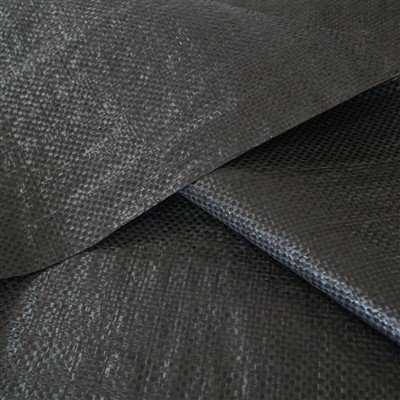
At the end of the day, colored PP woven bags are one of the most durable, cost-effective packaging options on the market, and their synthetic structure makes them inherently resistant to mold and mildew compared to natural fiber alternatives. The rare cases of growth you might hear about are almost always due to improper storage, low-quality additives, or misuse of the bag, not a flaw in the PP itself. If you’re a business owner looking for colored PP woven bags for your packaging, storage, or shipping needs, we can provide customized sizes, colors, and finishes to fit your exact requirements, with bulk pricing for large orders and flexible delivery timelines. Reach out to our team to discuss your specific needs, and we’ll help you find the right bags that balance performance, cost, and mold resistance for your operation.
Functional Woven Packaging Bags References
Khan, M. A., & Ali, M. (2020). Polypropylene-based packaging materials: Properties, applications, and sustainability. Journal of Polymer Engineering, 40(8), 679-692.
Smith, L. T., & Jones, R. A. (2018). Fungal growth on synthetic packaging materials: A review of causes and preventive measures. Packaging Technology and Science, 31(5), 245-258.
Agricultural Packaging Association. (2021). Guide to selecting packaging materials for bulk produce storage and transport. Annual Industry Report, 12-19.
Jining Shunxing Plastics Co., Ltd.
Jining Shunxing Plastics Co., Ltd. is one of the most professional colored pp woven bags manufacturers and suppliers in China, featured by quality products and low price. Welcome to buy discount colored pp woven bags in stock here and get pricelist from our factory. We also accept customized orders.
Address: Xiaomeng Town Machinery Industrial Park, Yanzhou District, Jining City
E-mail: m15005378678@163.com
WebSite: https://www.sxwovenbag.com/
