If you’re here, chances are you’re either a maintenance tech, a facility manager, or someone in the industrial or electronics space hunting for a latch contactor. I get it—tracking down the right one that doesn’t break the bank, fits your equipment, and actually works as advertised is way more frustrating than it sounds. And let’s be real: not every “supplier” out there is worth your time. As someone who’s been in the latch contactor game for years, seeing folks waste money on knockoffs that quit after three months? That’s why I’m breaking down exactly where to buy these things, what to look for, and who to skip. Latch Contactor

First off, let’s make sure we’re on the same page about what a latch contactor even does. Unlike regular contactors that need constant power to stay engaged, a latch contactor holds its position once triggered—perfect for industrial motors, HVAC systems, solar setups, or even electric vehicle charging stations. Mess up picking the right one, and you’re looking at downtime that costs way more than the part itself. That’s why buying from the wrong place isn’t just a hassle—it’s a financial hit.
Now, let’s dive into the actual spots to shop, starting with the most reliable options, in my opinion.
-
Specialized Industrial Component Suppliers
If you need a heavy-duty, industrial-grade latch contactor for something like a factory line or a large solar array, your best bet is a supplier that focuses exclusively on industrial electrical parts, not the random online big-box stores. These guys don’t just sell everything—they know their stuff. Last month, a client of mine came to me after buying a knockoff from a big-box site that failed on a 50-ton air handler. The replacement parts the big-box guy sent didn’t fit the wiring harness, and their support was nonexistent. A specialized supplier? They’ll have fit guides, cross-reference numbers, and even engineers on hand to help you match the exact model your equipment needs. The caveat here is to make sure they’re actual distributors for reputable brands, not just middlemen selling unbranded no-names. I always tell folks to ask for a brand certification before dropping cash—if they can’t prove they’re an authorized dealer, walk away. -
Authorized Online Distributors
Don’t sleep on reputable online platforms that vet their sellers. Amazon Business, Grainger, MSC Industrial Supply—these aren’t your personal Amazon accounts. These platforms have strict seller verification rules, so the parts you get are usually legitimate. I’ve had clients order from Grainger for years without issues, and their free shipping on bulk orders is a huge plus if you’re stocking up. The downside? You’re at the mercy of the seller’s inventory, and returns can be a pain if you get the wrong part. Pro tip here: check the product reviews specifically for latch contactors. If a bunch of reviews say the part died after a few weeks, that’s a red flag. And skip the random third-party sellers on these platforms that aren’t authorized—they’re the ones pushing the cheap knockoffs. -
Direct From a Latch Contactor Manufacturer (That’s Us!)
Wait, full transparency here: I’m part of a team that makes and supplies latch contactors, so this isn’t just unbiased advice. But hear me out—buying direct cuts out the middleman, which means you get a better price, faster shipping, and way more support. When you buy from us, you’re not just getting a part number; you’re talking to the people who design and test the latch contactors. If you have a weird application—like a custom motor setup or a harsh outdoor environment—we can modify the contactor to fit your needs, something distributors won’t do. We also offer bulk discounts for industrial clients and warranties that actually cover parts and labor if something goes wrong. Is it always the cheapest option? No, but cheap parts end up costing way more in repairs and downtime. Last year, a small business owner came to me after going through three $20 latch contactors in six months; he bought our $50 model, and it’s still going strong two years later. That’s the value no middleman can beat. -
Local Electrical Supply Shops
If you need a latch contactor fast—like, tomorrow, because your production line is down—your local electrical supply shop is the move. Most of these shops stock common sizes and models, so you can swing by, grab one, and get back to work. The catch? They might not have less common models, and their prices are usually a markup since they’re smaller operations. Also, make sure the shop’s staff actually knows what a latch contactor is. I’ve seen places try to sell regular contactors to folks who need latched ones, which is a big mistake. Ask them to confirm it has “mechanical latching” in the description—if they can’t answer that, go somewhere else.
Now, the spots you should avoid—because I’ve seen too many people get burned here:
- Random online marketplaces (Facebook Marketplace, eBay random sellers): Unless it’s a used part for a super old machine you can’t source elsewhere, skip these. Most are untested, counterfeit, or stolen.
- Big-box general stores (Walmart, Home Depot for electrical): They sell basic stuff, but latch contactors are specialized, and their stock is low quality.
- Generic Amazon sellers with 100 reviews total: If the price is 50% cheaper than everyone else, it’s a knockoff.
So, how do you make sure you’re getting the right one once you find a supplier? Let’s run through quick checks:
- Confirm the voltage rating: Your contactor has to match your system’s voltage—24V, 120V, 480V, whatever. If it’s wrong, it won’t work, or it’ll burn out.
- Check the current rating: That’s the maximum amps it can handle. For a motor, you need one that’s rated for at least 125% of the motor’s full-load current.
- Latching mechanism: Double-check it’s a mechanical latch, not an electronic one—electronic ones can fail if there’s a power spike, which is common in industrial settings.
- Warranty: A reputable supplier will offer at least a 1-year warranty on their latch contactors. If it’s 30 days or less, it’s not worth it.
Now, let’s talk about common mistakes people make. Last week, a client bought a latch contactor for a commercial oven, but he didn’t check the ambient temperature rating. The oven ran at 120°F, and the contactor rated for 80°F melted. It’s a $50 part, but the oven was down for two days, costing him $2,000 in lost revenue. Small details like that matter.
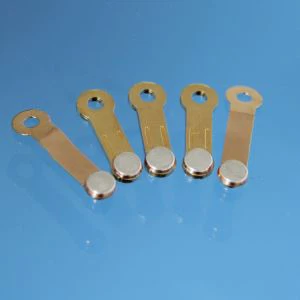
If you’re still unsure where to start, let’s circle back to what I mentioned earlier: buying direct from a latch contactor manufacturer is often the smartest move, especially if you have specific needs. We don’t just sell parts—we’re here to help. Whether you’re a small business owner needing one replacement part or a large facility manager ordering 50 for an upgrade, we can work with you on pricing, get you the right model quickly, and answer every question you have. No runaround, no generic support, just people who know latch contactors inside and out.
12V DC Contactor I don’t push this part often, but if you’re ready to stop wasting money on bad latch contactors and start working with a supplier that has your back, reach out to us. We can walk you through what you need, provide a quote, and get your order shipped fast. No sales pitches, no hidden fees—just straightforward service.
References
- National Electrical Manufacturers Association (NEMA) Standards for Industrial Control Devices, 2022.
- International Electrotechnical Commission (IEC) 60947-4-1, Low-Voltage Switchgear and Controlgear, 2020.
- Grainger Industrial Supply, “Buying Guide: Latch Contactors,” 2023.
- “The Cost of Downtime in Industrial Operations,” Manufacturing Extension Partnership (MEP), 2022.
Zhejiang Aokai Electric Co., Ltd.
Zhejiang Aokai Electric Co., Ltd. is your best source for the high quality latch contactor with CE certification. We have been one of the largest latch contactor manufacturers and suppliers in China since our establishment in 2008. Welcome to contact our factory for the products.
Address: No.166 Xiangbai Road, Huxi Industrial, Yueqing, China.
E-mail: akcontactor@aokai.com
WebSite: https://www.ak-contactor.com/
